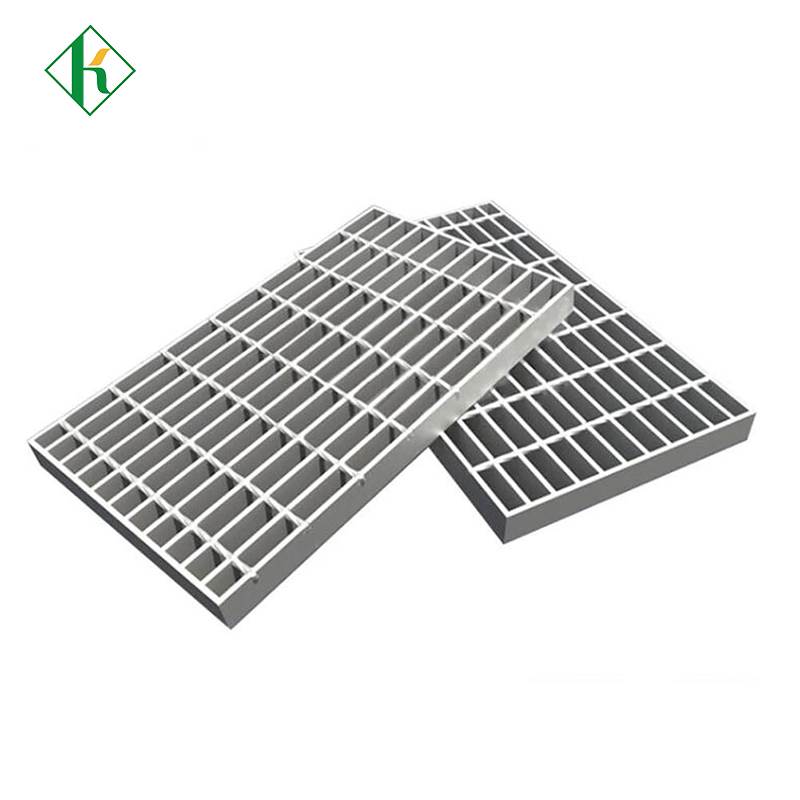
You unwrap a freshly delivered bundle of industrial floor panels. Instead of a pristine metallic finish, you find a chalky white powder coating the surface. This wet storage stain creates immediate panic on the job site. Site managers worry about structural integrity. Quality inspectors flag compliance failures. Material rejection often threatens tight project schedules.
This common operational frustration is known as white rust. It looks alarming, but it rarely signals a complete structural failure. Understanding the chemistry behind this reaction helps you respond calmly and effectively. Timely evaluation prevents unnecessary project delays.
We will explore the exact mechanics behind premature zinc oxidation. You will learn a practical framework to evaluate coating damage accurately. Finally, we provide actionable remediation steps and procurement strategies. These proactive measures will protect your infrastructure investments long before the delivery trucks arrive.
Key Takeaways
- White rust is a surface-level chemical reaction (zinc hydroxide) caused by moisture and poor airflow, not typically a structural failure of the underlying steel.
- Timely identification and mechanical/chemical treatment can restore the protective zinc carbonate patina without compromising the grating’s lifespan.
- Improper storage and transit conditions—not necessarily poor manufacturing—are the primary culprits behind premature oxidation.
- Future risk mitigation requires specific procurement instructions, including proper passivation requests and strategic storage planning for bulk deliveries.
The Mechanics of White Rust on Hot-Dip Galvanized Steel Grating
To address this surface issue, we must first understand the fundamental chemistry of zinc. Freshly applied zinc acts as a highly reactive metal. It actively seeks out oxygen and water. This natural reactivity provides the legendary sacrificial protection we expect from Hot-Dip Galvanized Steel Grating. However, this same reactivity creates vulnerabilities during the initial curing phase.
When fresh zinc reacts with moisture and oxygen, it forms zinc hydroxide. This unstable compound presents as a powdery white substance. We call it white rust. Over time, zinc hydroxide must react with carbon dioxide in the atmosphere. This critical secondary reaction creates zinc carbonate. Zinc carbonate forms a stable, dull gray patina. It tightly adheres to the metal surface, stopping further corrosion.
| Compound Type | Chemical Formula | Appearance | Protective Qualities | Atmospheric Requirement |
| Zinc Hydroxide | Zn(OH)2 | Chalky, white, powdery | Poor. Highly unstable and soluble. | Requires water and oxygen. Lacks CO2. |
| Zinc Carbonate | ZnCO3 | Dull gray, uniform, hard | Excellent. Highly durable barrier. | Requires free-flowing carbon dioxide. |
The trigger condition for white rust requires pure water and stagnant air. Condensation or rain provides the moisture. Without adequate airflow, the zinc surface starves of carbon dioxide. The chemical transition to stable zinc carbonate halts. Instead, the unstable zinc hydroxide simply grows thicker.
Freshly galvanized steel remains incredibly susceptible during the first few weeks. The stable patina takes time to fully develop. Expectation management plays a huge role here. White rust is a known industry phenomenon. Its presence does not inherently indicate a defective hot-dip galvanizing process. Manufacturers cannot completely control environmental conditions once the product leaves the zinc bath.
![White rust formation on galvanized grating]()
Environmental Triggers and Implementation Risks
Most surface oxidation originates from poor logistical handling. Storage and transit realities frequently create the perfect storm for zinc hydroxide formation. When manufacturers stack panels tightly for transport, capillary action pulls moisture between the steel bars. This nesting process severely restricts airflow.
Contractors often exacerbate the problem upon delivery. They store grating directly on damp ground. Soil moisture evaporates, rises, and coats the metal. Others throw non-breathable plastic tarps over the bundles. These covers trap condensation during daily temperature fluctuations. A greenhouse effect occurs beneath the tarp, accelerating the oxidation rapidly.
Application-specific hazards also dictate your risk levels. Facility managers must evaluate high-risk installation environments carefully. Cooling tower splash zones constantly expose grating to pure water droplets. Coastal facilities face intense humidity and aggressive salt spray. High-humidity industrial plants, like paper mills, provide endless moisture without enough dry cycles for passivation.
Your specific profile choices directly impact moisture retention. For instance, Serrated Galvanized Grating provides superior slip resistance for workers. However, those same cut teeth can trap condensation in the serration valleys. If workers nest these serrated panels improperly during temporary storage, the tiny pools of trapped water quickly spawn localized white rust pockets. Extra vigilance ensures these specific profiles remain dry and separated before installation.
Evaluating the Severity: Aesthetic Nuisance vs. Coating Degradation
Finding chalky residue requires immediate investigation, not immediate panic. Facility managers need a structured decision matrix to assess the true damage. You must differentiate between a mere aesthetic nuisance and genuine coating degradation. We categorize the severity into three distinct levels.
- Light White Rust: This appears as a thin, powdery dusting. You can easily brush it off with a bare hand. It has minimal impact on the overall zinc coating thickness. We consider this purely cosmetic. Simply separating the panels and exposing them to dry air usually resolves the issue.
- Moderate White Rust: The powdery layer feels thicker and slightly gritty. When brushed away, you will notice a visible darkening of the underlying zinc. This darker gray spot indicates localized zinc depletion. Moderate levels require mild chemical treatment and mechanical scrubbing to stop further degradation.
- Severe White Rust / Black Rust: The staining turns dark grey or black. Heavy crusts form on the surface. This indicates massive depletion of the zinc layer down to the iron alloy. The sacrificial barrier is compromised. This level of damage often leads to material rejection or demands immediate structural re-coating.
Visual inspection alone cannot verify compliance. We highly recommend standardized coating thickness measurements. Use calibrated magnetic thickness gauges on the affected areas after cleaning. You must verify if the remaining zinc still meets structural compliance requirements. Organizations rely on standards like ASTM A123 to determine the minimum acceptable mil thickness.
If the gauge reads above the ASTM A123 minimum, the steel remains protected. If the gauge shows a significant drop below the standard, the structural integrity is compromised. Taking empirical measurements removes the emotion from quality control disputes. It provides hard data to contractors, suppliers, and site engineers.
Remediation Protocols and Treatment Strategies
When you encounter moderate or severe oxidation, you must act quickly. Proper remediation restores the barrier and prevents base metal corrosion. Follow these mechanical and chemical solutions carefully to avoid causing further damage to the substrate.
- Step 1: Preparation. Immediately break down the stacked bundles. Separate every panel to introduce massive airflow. Protocol dictates drying the affected area completely. Move the materials indoors or under a breathable, elevated canopy. Do not begin removal processes on wet steel.
- Step 2: Removal. Mechanical removal requires a delicate touch. Use stiff nylon brushes to sweep away the powdery crust. Never use aggressive carbon-steel wire brushes. Wire wheels strip away healthy zinc along with the rust. For moderate cases, use mild chemical removal. White vinegar or weak acidic solutions dissolve the zinc hydroxide safely. Apply the vinegar, scrub gently, and rinse thoroughly with clean water.
- Step 3: Restoration. You must neutralize the surface after any acid application. Wash it heavily to stop the chemical reaction. If magnetic gauges reveal a loss of zinc thickness, apply zinc-rich paint (cold galvanizing compound). Passivating chemicals can also restore localized protection. Ensure the treated area dries completely before final installation.
Facility owners must perform a practical cost-to-benefit analysis before beginning large-scale remediation. Hand-scrubbing hundreds of panels requires significant labor hours. Weigh the labor cost of field remediation against the logistical cost of returning and replacing the Galvanized Walkway Grating. In mild cases, field cleaning is highly economical. In severe black-rust cases, rejecting the shipment often proves safer and cheaper.
Procurement Strategies: Specifying to Prevent Wet Storage Stain
The best remediation is prevention. Smart procurement strategies eliminate most wet storage stains before the steel ever leaves the fabrication yard. You must establish strict vendor evaluation criteria. Communicate your specific environmental needs early in the quoting process.
Demand precise post-galvanizing surface treatments from your supplier. If shipments are destined for humid coastal environments, specify chromate passivation. Alternatively, request water-based acrylic clear-coats. These micro-thin barriers protect the reactive zinc during those crucial first few weeks of curing. While they wear off eventually, they buy enough time for the natural zinc carbonate patina to form safely.
Transit packaging matters immensely. Request proper dunnage between every bundle. Dunnage refers to wooden or plastic spacers placed between grating panels. These spacers create mandatory air gaps. Even if condensation forms during transit, the air gaps allow carbon dioxide to circulate and dry the water.
Contractors must also execute rigorous site readiness planning. Create pre-delivery checklists to ensure proper staging areas exist. Never drop materials directly in the mud. Build elevated wooden cribbing to keep panels off the ground. Angle the bundles slightly so rainwater naturally drains off the edges. If you must use covers, mandate breathable canvas tarps instead of suffocating plastic sheets.
Conclusion
White rust represents a manageable chemical reality. It is not an automatic death sentence for your industrial grating. By understanding the interaction between fresh zinc, moisture, and carbon dioxide, you can accurately assess the risks. Differentiating between light cosmetic dust and severe coating depletion saves both time and money.
Decision-makers should immediately inspect their current stockpiles. Break apart bundled panels to ensure proper airflow. Measure the remaining zinc thickness on any affected areas using magnetic gauges. Implement standardized, elevated storage protocols across all active job sites to prevent future oxidation.
Do not wait for a problem to appear on the delivery truck. Consult with your technical sales teams today. Ask them about pre-passivated grating solutions. Discuss your specific operational environment so they can tailor the grating profiles and packaging methods to your exact geographic needs.
FAQ
Q: Does white rust void the warranty on galvanized walkway grating?
A: Generally, no. Warranties typically cover manufacturing defects, like improper zinc adhesion or uncoated spots. White rust is categorized as an environmental or storage-induced issue occurring after delivery. Manufacturers rarely accept liability for wet storage stains unless transit was directly under their control and poorly executed.
Q: How long does it take for a newly galvanized surface to fully cure/passivate?
A: A freshly galvanized surface usually takes 6 to 12 months to fully passivate. The exact timeline depends heavily on local weather conditions. Consistent exposure to alternating wet and dry cycles, combined with freely circulating carbon dioxide, accelerates the formation of the protective zinc carbonate patina.
Q: Is it safe to walk on grating that has active white rust?
A: Structurally, it is generally safe. However, the powdery residue creates a temporary loss of friction. This chalky layer acts like dust, reducing slip-resistance. This poses a hazard on smooth profiles, though serrated profiles maintain better traction. Always sweep away heavy accumulation before allowing foot traffic.
Q: Can we use high-pressure washing to remove white rust?
A: High-pressure washing is risky. It can drive moisture deeper into unpassivated pores or underneath loose scale. If the zinc coating is already compromised, aggressive water pressure can strip away weakened zinc. We recommend gentle mechanical brushing and mild chemical treatments instead of highly pressurized water jets.