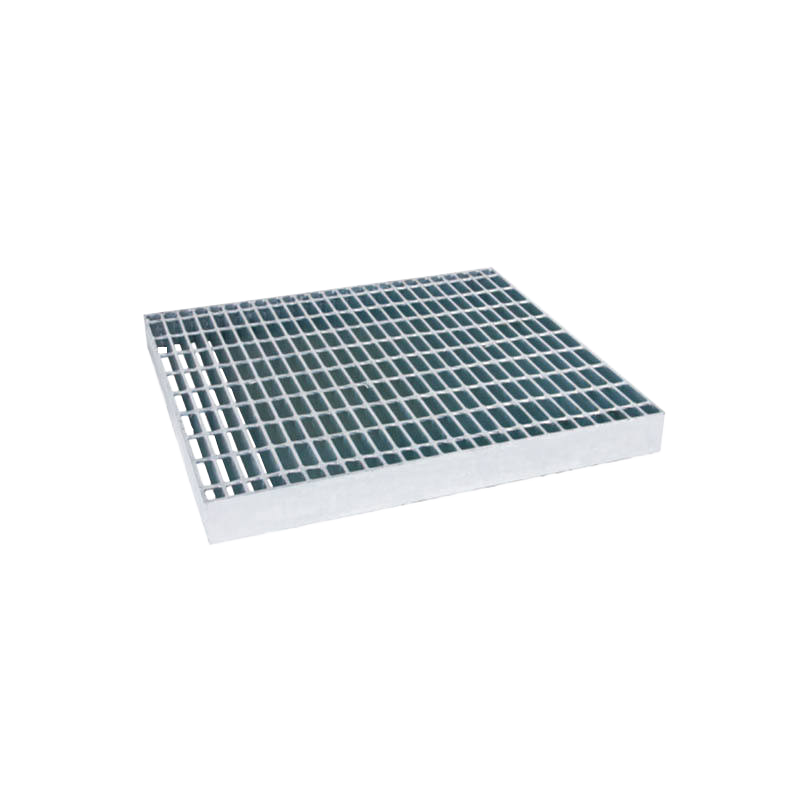
Outdoor infrastructure faces relentless thermal cycling every single day. Sun exposure, freezing nights, and rapid temperature shifts stress these components continuously. Engineers and facility managers often underestimate the sheer mechanical force generated by changing weather. Selecting the wrong material for extreme climates invites premature structural fatigue. It quickly leads to severe safety compliance failures and highly inflated replacement costs. You must evaluate the mechanical impact of thermal expansion and cold-weather embrittlement properly. Doing so determines the most reliable, compliant material for your specific site conditions.
In this comprehensive guide, we explore how thermal stress dictates material performance over time. You will learn the exact science behind expansion gaps and cold-weather shattering risks. We examine why specific alloys perform better when subjected to relentless freeze-thaw cycles. We will also provide a clear, actionable decision framework. This ensures you specify the safest, most durable grating for any industrial, commercial, or municipal application.
Key Takeaways
- Thermal Movement: Continuous freeze-thaw cycles cause expansion and contraction, requiring specific installation tolerances to prevent buckling.
- Cold Embrittlement: Sub-zero temperatures can shift standard carbon steel from ductile to brittle, reducing its impact resistance.
- Material Selection: Galvanized Steel Grating serves as the baseline for moderate climates, while Stainless Steel Grating is strictly required for severe, sub-zero environments where structural reliability is non-negotiable.
- Installation Mechanics: Proper orientation and the use of expansion-accommodating fasteners are as critical as the material choice itself.
The Physical Impact of Temperature Extremes on Grating Structures
Temperature acts as a continuous, invisible force on industrial infrastructure. When you specify materials for exposed environments, you cannot ignore thermal physics. Metals react dynamically to heat and cold at a molecular level. These physical reactions dictate the overall lifespan, reliability, and safety of your facility platforms.
High-Temperature Expansion
Direct sun exposure and high ambient heat increase the kinetic energy of metal molecules. This added energy causes the material to undergo volumetric expansion. As the metal heats up throughout a summer afternoon, the grating panels literally grow in length and width. The expansion coefficient of steel dictates exactly how much growth occurs per degree of temperature rise.
If you do not engineer proper gap tolerances between the panels, they create immense lateral stress. They will push violently against structural supports or adjacent panels. This inevitably leads to severe warping, thermal bowing, or catastrophic fastener failure. Once a panel bows upward due to thermal binding, it creates a severe tripping hazard for facility workers.
Sub-Zero Ductile-to-Brittle Transition (DBTT)
Cold climates present an entirely different, highly dangerous structural threat. As temperatures drop significantly, standard carbon steel alloys change at a microscopic level. Usually, when ambient temperatures fall below -20°C (-4°F), standard carbon steel loses its natural ability to deform under stress.
This sudden loss of ductility is known in metallurgy as the Ductile-to-Brittle Transition Temperature (DBTT). Instead of safely bending or yielding under heavy loads, the metal becomes highly brittle. Forklift or heavy machinery traffic on this embrittled grating poses a severe safety hazard. The material can shatter suddenly under dynamic impact, sending debris downward and collapsing the walkway entirely.
Freeze-Thaw Fatigue
Many industrial regions experience rapid temperature cycling between day and night. This constant freezing and thawing stresses the micro-structure of the steel continuously. It creates microscopic movements within the panel joints. Over time, these cyclical movements cause material fatigue.
If micro-cracks form in the surface, they allow moisture to bypass protective coatings. When water seeps into these cracks and freezes, it expands by approximately nine percent. This ice expansion forces the cracks wider. Moisture ingress accelerates hidden corrosion, severely weakening the structural integrity of the Outdoor Steel Grating.
![Outdoor Steel Grating]()
Evaluating Galvanized Steel Grating for Moderate Climates
For most standard commercial applications, industry professionals rely on a proven, cost-effective baseline. You need a material that balances structural strength with reliable, long-term weather resistance.
The Performance Baseline
Galvanized Steel Grating stands firmly as the industry standard for general outdoor applications. It offers a very high strength-to-cost ratio for massive infrastructure projects. The hot-dip process completely immerses the carbon steel core into molten zinc. This process creates a thick zinc-patina that actively fights off common rust and environmental corrosion. The zinc coating acts as a sacrificial anode, protecting the underlying steel even if it gets scratched.
Thermal Response of Zinc Coatings
The hot-dip galvanizing process forms a powerful metallurgical bond between the zinc layers and the steel substrate. These alloy layers are harder than the base steel, providing excellent abrasion resistance. However, zinc and steel possess slightly different thermal expansion coefficients. Under extreme and rapid temperature shifts, this slight variance can theoretically cause micro-fracturing in the coating itself.
Despite this scientific reality, the practical verdict remains highly positive for moderate to warm climates. It is highly reliable for standard industrial catwalks, pedestrian bridges, and trench drains. It works perfectly for drainage covers where temperatures rarely sustain deep, prolonged freezing. The zinc layer easily handles standard summer heat and mild winter frosts without degrading structurally.
Limitations to Acknowledge
You must recognize exactly where this standard material falls short. We do not recommend standard galvanized options for heavy dynamic impact loads in prolonged arctic or sub-arctic conditions. The underlying carbon steel core remains highly susceptible to cold embrittlement. A heavy forklift dropping a heavy pallet on frozen carbon steel grating risks catastrophic failure. You must evaluate your region's coldest historical temperatures before finalizing this specification.
When to Specify Stainless Steel Grating for Severe Environments
Certain operational environments demand absolute structural reliability regardless of weather conditions. When failure is simply not an option, you must upgrade your material specifications. You need an alloy engineered to handle severe extremes safely.
Austenitic Structural Advantages
Stainless Steel Grating, specifically 304 and 316 grades, provides unmatched performance in harsh cold. These alloys contain high levels of nickel, which stabilizes their austenitic crystal structure. Because of this unique metallurgy, austenitic stainless steel maintains its ductile properties even at extreme cryogenic temperatures.
This inherent flexibility virtually eliminates the risk of cold embrittlement. Heavy machinery, snowplows, and transport vehicles can operate safely over these panels in deep winter. You eliminate the fear of sudden impact shattering entirely.
Heat and Oxidation Resistance
This premium material also excels on the exact opposite end of the thermometer. It performs exceptionally well in high-heat industrial environments, such as refineries or chemical plants. It handles high-UV coastal areas effortlessly. Unlike traditional carbon steel, it does not rely on a secondary dipped coating that might flake, peel, or degrade over time. The natural chromium oxide layer on the surface repairs itself instantly when scratched. This ensures a long-lasting, unbroken defense against salt spray, humidity, and intense thermal heat.
Lifecycle Cost Analysis (CAPEX vs. OPEX)
We must address the financial reality of material upgrades. Initial procurement and manufacturing costs (CAPEX) for stainless steel are substantially higher than galvanized alternatives. However, stainless steel drastically reduces long-term operational maintenance expenses (OPEX).
In harsh climates like Canadian winters or remote offshore platforms, this durability pays off massively. It eliminates the need for frequent safety inspections, rust removal, and panel replacements. More importantly, it prevents catastrophic failure liabilities that result in costly facility downtime. You spend more capital upfront to secure decades of safe, maintenance-free operation.
Implementation Risks: Installation Variables Under Thermal Stress
Selecting the perfect, high-grade material means absolutely nothing if you execute the installation poorly. Thermal stress continuously amplifies minor installation errors into major structural hazards.
Calculating Thermal Expansion Gaps
All metals expand when heated. Your engineering specifications must mandate adequate clearance between grating panels and their structural supports. Installers typically leave a 1/4" to 3/8" gap, depending entirely on the overall span length and local climate data.
This specific tolerance absorbs peak summer expansion safely. Without this engineered gap, panels will eventually bind. They will warp upward or shear their hold-down fasteners completely. You must verify these gaps during the final site inspection before facility commissioning.
Load-Bearing Orientation & Mechanical Stress
Panel orientation is completely non-negotiable. You must install grating with the thick bearing bars spanning the proper direction across the supports. Installing panels perpendicularly to the correct orientation dramatically reduces the system's load capacity.
Thermal stress compounds this exact vulnerability. When a structurally weakened panel expands against a rigid steel frame, it buckles under significantly less weight than its original rating. Installers must pay close attention to structural drawings to avoid this dangerous error.
Fastening Systems
How you attach the metal panels to the framework matters immensely. You should always avoid rigid, welded attachments in high-variance climates. Welds simply do not flex. When the panels expand, rigid welds will crack under the shear force.
Instead, utilize heavy-duty saddle clips or specialized mechanical grating fasteners. These clip systems hold the panels securely down while allowing for crucial lateral micro-movements. The panels can safely expand and contract throughout the seasons without ever shearing their connections.
Decision Framework: Selecting the Right Outdoor Steel Grating
Procurement teams, facility owners, and structural engineers need a highly structured approach to material selection. Follow this logical framework to align your final choice with ground realities.
Assess the Climate Data
Start by properly documenting the environmental baseline of your project. Record historical temperature minimums and maximums for the region. Note the daily variance averages for the specific installation site. This raw data dictates whether you need to plan for deep-freeze embrittlement or extreme summer expansion.
Define the Load Case
Understand exactly what the grating must support daily. Are the platforms strictly for pedestrian foot traffic? Human traffic represents a much lower dynamic impact risk. Conversely, do the platforms support heavy vehicular traffic, forklifts, or large material carts? Heavy dynamic loads carry a high impact risk. These applications require maximum material ductility, especially when the weather drops below freezing.
Compliance & Safety Standards
Always ensure your chosen material and gap specifications meet strict regulatory guidelines. Cross-reference your engineering designs against OSHA standards for occupational fall protection. For vehicle loads, verify compliance with AASHTO guidelines. True compliance guarantees your facility remains safe, accessible, and legally protected.
The Shortlist Rule
Keep your complex material selection straightforward by following a few proven industry rules:
- Default to Galvanized: Choose this standard for temperate zones. It handles standard static loads and moderate dynamic loads perfectly without breaking the project budget.
- Upgrade to Stainless: Choose this alloy for extreme cold climates. It remains absolutely mandatory for corrosive marine environments or remote areas demanding zero-maintenance lifecycles.
Material Selection Decision Matrix
| Climate / Application Type | Recommended Material | Primary Justification |
| Moderate Climate / Light Pedestrian Traffic | Galvanized | Highly cost-effective, provides adequate long-term corrosion resistance. |
| Sub-Zero Freezing / Heavy Machinery Traffic | Stainless (304/316) | Retains full ductility, completely eliminates cold shattering risks. |
| High UV Heat / Coastal Marine Environments | Stainless (316) | Resists oxidation naturally without relying on external surface coatings. |
| Temperate Climate / Moderate Dynamic Loads | Galvanized | Strong metallurgical bond handles mild daily thermal shifts reliably. |
Conclusion
Temperature acts as a continuous, active force on your outdoor infrastructure. Ignoring thermal physics during the procurement phase leads directly to dangerous and costly outcomes. You must account for volumetric expansion coefficients and cold-weather brittleness to guarantee long-term site safety.
Material selection requires careful balance. You have to weigh upfront costs against long-term operational resilience. By following established engineering guidelines, you avoid early structural failure. Take these actionable next steps to secure your facility permanently:
- Audit your site’s historical climate data immediately to establish an accurate, data-driven environmental baseline.
- Review your current operational load requirements to distinguish accurately between static foot traffic and dynamic vehicular impact.
- Inspect existing platforms today for signs of thermal binding, warping, or sheared fasteners caused by inadequate expansion gaps.
- Consult with a specialized structural grating manufacturer to compare specific material options based strictly on your exact load profile and regional climate.
FAQ
Q: At what temperature does standard outdoor steel grating become brittle?
A: Standard carbon steel begins to lose ductility as temperatures drop below freezing, but critical embrittlement (DBTT) typically becomes a structural risk for heavy loads at prolonged sub-zero temperatures (e.g., -20°C and below).
Q: Does extreme heat damage the zinc coating on galvanized steel grating?
A: Standard ambient outdoor heat will not melt or directly damage the zinc coating. However, extreme thermal cycling over years can cause micro-stresses.
Q: Should I leave larger gaps between grating panels in cold climates?
A: Gap sizing is primarily calculated based on the maximum expansion during peak summer temperatures. Clearances must be engineered to prevent binding in summer while maintaining secure bearing support during winter contraction.
Q: Does the installation direction of the grating affect its performance in changing temperatures?
A: Yes. Bearing bars must run perpendicular to the supports to handle intended loads. Improper orientation weakens the grating, making it far more susceptible to failure when additional thermal stresses (expansion/contraction) are applied.