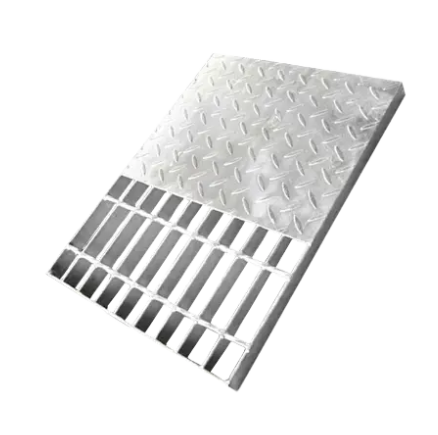
Installing industrial flooring often seems straightforward until a panel fails under load or rusts prematurely. Improper installation leads to immediate safety hazards, such as tripping risks, and long-term issues like accelerated corrosion and costly retrofits. A minor oversight during the fitting stage can compromise the structural integrity of the entire walkway system. Therefore, project managers must treat these components as precision-engineered assets rather than simple commodities.
This guide covers the entire lifecycle of the material, from receiving the steel grating supply chain delivery to the final sign-off inspection. We will explore how to handle the material to preserve its protective zinc layer and ensuring correct alignment. By viewing galvanized steel grating as a critical structural element, you ensure compliance with ASTM A123/A153 standards and extend the facility's operational lifespan. You will learn actionable strategies to optimize safety, durability, and cost-efficiency.

Key Takeaways
Verification is Vital: Confirm bearing bar direction and panel dimensions before lifting; misaligned bearing bars reduce load capacity to zero.
The 5-10mm Rule: Maintain specific clearance gaps during steel grating construction to allow for thermal expansion and fitting adjustments.
Fixing Strategy: Choose between welding (permanent, rigid) and mechanical clips (removable, flexible) based on maintenance needs, not just installation speed.
Zinc Integrity: Inspection must prioritize the galvanized coating; any cut or weld made on-site requires immediate cold-galvanizing repair to prevent rust creep.
Pre-Installation: Supply Chain Verification and Site Readiness
The longevity of a project begins the moment the truck arrives at the site. Damage occurring during transit or offloading often goes unnoticed until installation, leading to expensive delays. A rigorous receiving protocol ensures that the material meets specifications before it ever reaches the structural steel framework.
Receiving Inspection Procedures
Upon arrival, the site engineer or materials manager must inspect the cargo for wet storage stain, commonly known as white rust. This manifests as white powdery deposits on the zinc surface. It occurs when galvanized panels are stacked tightly in damp conditions during transit, preventing air circulation. While light white dusting is often cosmetic and can be brushed off, heavy encrustation may indicate that the zinc layer has been compromised. You must differentiate between superficial staining and structural coating damage to decide whether to accept or reject the shipment.
Dimensional verification is equally critical. Compare the panel sizes against the layout drawings immediately. Manufacturing tolerances exist, but significant deviations will disrupt the grid layout. A panel that is 10mm too wide can throw off the alignment of an entire walkway run. Checking this upon receipt allows for corrections before the crane is scheduled.
Finally, verify the protection level. Use a calibrated magnetic pull-off gauge to measure the zinc coating thickness. Specifications usually reference microns or mils (e.g., ASTM A123 requires specific averages based on steel thickness). Confirming these values ensures the material will perform as predicted in corrosive environments.
Staging and Handling
How you handle the grating before installation dictates its future performance. When lifting bundles, use nylon slings rather than steel chains or wire ropes. Chains create point loads that gouge the relatively soft zinc layer, creating entry points for rust before the product is even installed. If a forklift is used, ensure the forks are wide enough to support the load without bending the bearing bars.
Stacking logic on-site is vital for preventing wet storage stain. Store panels off the ground on dunnage or wooden blocks. This prevents contact with soil, which retains moisture and acidity, and allows air to circulate between the bundles. Ideally, store the panels at a slight angle to promote drainage of rainwater.
Strategic Selection of Installation Methods: Welding vs. Mechanical Fasteners
Securing the panels to the support structure is a strategic decision that affects future maintenance and safety. You must choose between welding the panels directly to the steel beams or using mechanical fasteners (clips). This decision should depend on the operational requirements of the facility rather than just installation convenience.
| Feature | Welding (Permanent) | Mechanical Clips (Removable) |
| Rigidity | Maximum rigidity; the grating becomes part of the structure. | Flexible; allows for slight movement due to thermal expansion. |
| Installation Speed | Slower; requires skilled labor and hot work permits. | Faster; requires only hand tools or impact drivers. |
| Maintenance Access | Difficult; panels must be cut out to access below. | Easy; clips can be loosened to remove panels. |
| Zinc Impact | Destructive; burns zinc, requires cold-galv repair. | Non-destructive; preserves the coating integrity. |
| Best Use Case | High-security zones, heavy vibration areas. | HVAC access, drainage channels, regular maintenance zones. |
Decision Framework: When to Weld
Galvanized Steel Grating installation via welding is the preferred method for high-vibration areas or security-critical zones. If the walkway will see heavy machinery traffic or if the panels act as a diaphragm in the structure, welding provides necessary stability. However, this permanence is a double-edged sword; removal becomes a significant operation.
Technically, the weld must meet specific dimensions to be effective. A common specification is a minimum 3mm fillet weld with a length of 25mm located at specific anchor points (usually every fourth bearing bar). Installers must be vigilant about fumes, as welding galvanized steel releases zinc oxide, requiring proper ventilation and PPE.
Decision Framework: When to Use Clips (Saddle/G-Clips)
Mechanical fasteners are ideal for areas requiring under-floor access, such as above drainage trenches, HVAC piping, or cable trays. Saddle clips and G-clips allow site teams to remove panels easily for maintenance without destroying the flooring. This method avoids hot work, making it safer in environments with flammable materials.
However, clips can loosen over time due to vibration. Grating fitting and maintenance protocols must include periodic tightening. The industry standard recommendation is a minimum of 4 fasteners per square meter or four clips per individual panel, whichever is greater. This prevents the corners from lifting (curling) when a load is applied to the center of the panel, eliminating a common trip hazard.
Best Practices for Steel Grating Construction and Fitting
Achieving a professional and safe finish requires adherence to strict construction rules. The physical placement of the panels determines their load-bearing capacity and visual consistency.
Critical Alignment Rules
The most dangerous error in grating installation is incorrect orientation. Bearing bars (the tall, flat bars) must span perpendicular to the support structure. They are designed to carry the load. The cross bars (twisted rods or smaller bars) only provide lateral stability and hold the bearing bars in place; they possess zero load-bearing capacity. If a panel is installed rotated 90 degrees, it will likely collapse under foot traffic.
Visual alignment also matters. Cross bars should align across adjacent panels. When cross bars form a continuous line, the walkway looks professional and cohesive. More importantly, aligned bars reduce the strobe effect on eyes during movement and minimize slight height variations that could serve as trip hazards.
Managing Tolerances and Clearances
Steel is not static; it expands and contracts. During installation, you must maintain a 5–10 mm clearance between panels and any adjacent structures (such as kick plates, columns, or walls). This circular gap serves two purposes: it accommodates manufacturing tolerances in the panel size, and it provides room for thermal expansion during hot weather. Without this gap, panels can buckle or transmit stress to the support frame.
Furthermore, check the support bearing depth. The grating must rest securely on the steel beam. A minimum bearing depth—typically equal to the height of the bearing bar or at least 25mm to 50mm—is required to guarantee structural integrity. If the overlap is insufficient, the panel may slip off the beam under dynamic loads.
Field Cutting and Edge Treatment
Ideally, grating is prefabricated to exact dimensions. However, field modifications are often necessary for pipe penetrations or unexpected obstructions. When cutting Steel grating on-site, use low-speed saws rather than abrasive grinders or torches if possible. High heat destroys the zinc coating far beyond the cut line.
Every cut exposes raw steel. It is mandatory to apply zinc-rich paint (cold galvanizing spray or brush-on solder) to these edges immediately. This restores the barrier protection and prevents rust from creeping under the remaining zinc. Failure to seal cut edges is the leading cause of premature failure in otherwise high-quality installations.
Grating Inspection Procedures and Compliance Criteria
Once installation is complete, a formal handover inspection ensures safety and quality. Grating inspection procedures should be systematic and documented.
The Inspection Checklist (Post-Install)
Start with a stability check. Walk the entire length of the walkway. The panels should feel solid and silent. If a panel rocks or deflects excessively, verify the bearing depth and the flatness of the support steel. Rocking panels are a severe safety risk and indicate uneven supports or warped grating.
Next, audit the fastener torque. If clips are used, verify they are tightened to the manufacturer's specification. Loose clips allow panels to slide, creating dangerous gaps. For welded installations, check that the welds are sound and not merely surface tacks.
Check for toe-stubbers. These are height variances between adjacent panels. Industry standards typically permit a maximum difference of 4mm. Any step higher than this creates a significant trip hazard and must be rectified by shimming the lower panel or adjusting the fasteners.
Inspecting Galvanized Grating Integrity
The protective coating requires close scrutiny. Look for weld burn where the heat from installation welding has vaporized the zinc. If these black or red spots are visible, they must be cleaned and repaired with zinc-rich paint. Reject any installation where burn marks are left untreated.
Inspect the surface for deep gouges incurred during steel grating for construction projects. While zinc has self-healing properties for minor scratches (up to roughly 2mm wide), deeper gouges that expose the base metal require manual repair. Continuity of the coating is your primary defense against atmospheric corrosion.
Lifecycle Maintenance and TCO Optimization
Galvanized steel is often sold as maintenance-free, but this is a misconception in industrial settings. While it requires far less attention than painted steel, proactive care optimizes the Total Cost of Ownership (TCO).
The Self-Healing Myth vs. Reality
Zinc protects steel through two mechanisms: barrier protection and cathodic (sacrificial) protection. If the barrier is breached, the surrounding zinc corrodes in preference to the steel. However, this sacrificial action depletes the zinc over time. Relying solely on self-healing without addressing large scratches or chemical exposure will shorten the lifespan of the asset.
Routine Maintenance Schedule
Cleaning is the simplest yet most effective maintenance task. In outdoor environments, soil, leaves, and debris can accumulate in the mesh. This wet poultice traps moisture against the zinc, preventing the formation of the protective zinc patina and accelerating corrosion rates. Periodic high-pressure washing keeps the surface reactive and healthy.
For installations using clips, implement an annual clip audit. Vibration from pumps, motors, or heavy foot traffic can loosen nuts over time. A simple torque check ensures the walkway remains secure. This is crucial Grating installation tips often overlook the post-installation reality of industrial vibration.
Adverse Environment Strategy
If Inspecting galvanized grating reveals excessive white rust or red rust earlier than expected, reassess the environment. In high-salinity marine zones or chemical plants, standard galvanization might need augmentation. Consider applying a secondary passivation layer or, for future replacements, selecting a duplex system (painting over galvanizing) or a closer mesh size to increase the volume of zinc per square meter.
Conclusion
The difference between a 20-year service life and a 50-year service life often comes down to installation quality. By verifying the supply chain, choosing the right fixation method, and strictly managing installation tolerances, you maximize the return on investment for your infrastructure. Galvanized steel grating is a robust solution, but it relies on precision handling to perform. Prioritize the inspection phase—accepting subpar installation negates the investment in high-quality materials. Ensure your site engineers are empowered to reject misalignment and demand proper edge repairs.
FAQ
Q: Can I weld galvanized grating without removing the zinc?
A: You can, but it is not recommended without preparation. Welding directly over zinc produces toxic zinc oxide fumes and can cause weld porosity (bubbles), weakening the joint. Ideally, grind the zinc off the weld area specifically, perform the weld, and then immediately restore protection using a zinc-rich cold galvanizing paint to meet ASTM A780 standards.
Q: What is the minimum bearing support required for heavy-duty steel grating?
A: For structural safety, the bearing bars must rest firmly on the support. The general rule of thumb is a bearing depth equal to the height of the grating bar, or a minimum of 25mm (1 inch). For heavy-duty applications involving vehicular traffic, 50mm is often specified to prevent slippage under braking or acceleration forces.
Q: How do I repair the galvanized coating if it gets scratched during installation?
A: Follow ASTM A780 guidelines. First, clean the damaged area to remove rust, dirt, or grease (wire brushing is effective). Then, apply a zinc-rich paint (containing at least 92% zinc in the dried film) or use a zinc-based solder stick. The repair coating thickness should be 50% thicker than the original hot-dip specification.
Q: Is serrated grating harder to install than smooth grating?
A: The installation method (welding or clipping) is identical. However, the directional orientation is more visually critical. Misaligned serrated panels are immediately obvious and can create inconsistent friction for pedestrians. Ensure the serration patterns align across adjacent panels for a seamless and professional appearance.
Q: Why are my grating clips loosening over time?
A: Clips loosen primarily due to vibration from machinery or dynamic loads (foot traffic) and thermal cycling (expansion/contraction). If this is a recurring issue, consider upgrading to G-clips with a more aggressive grip or installing lock washers and using a thread-locking compound (like Loctite) on the bolts during maintenance.