Introduction
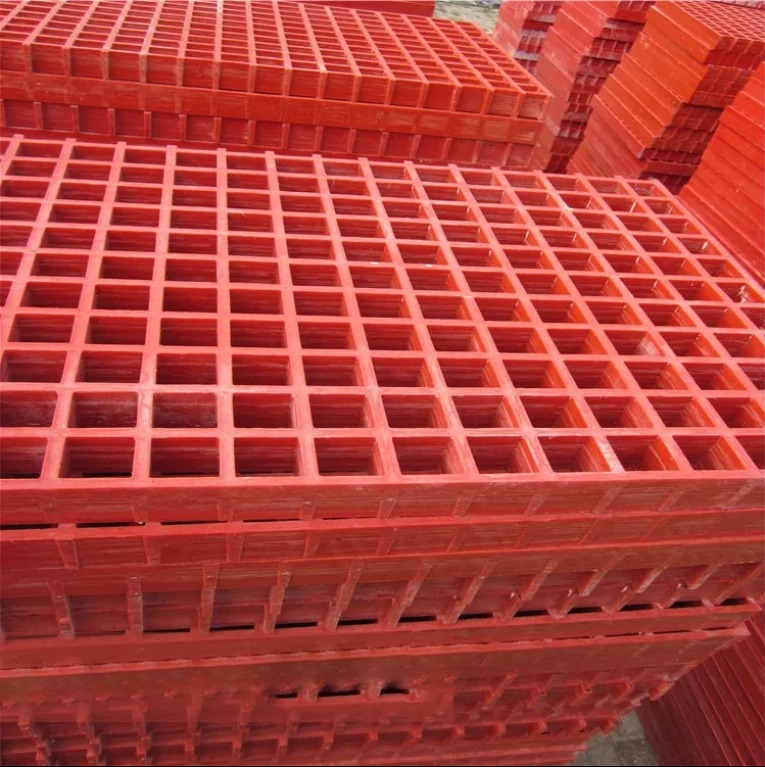
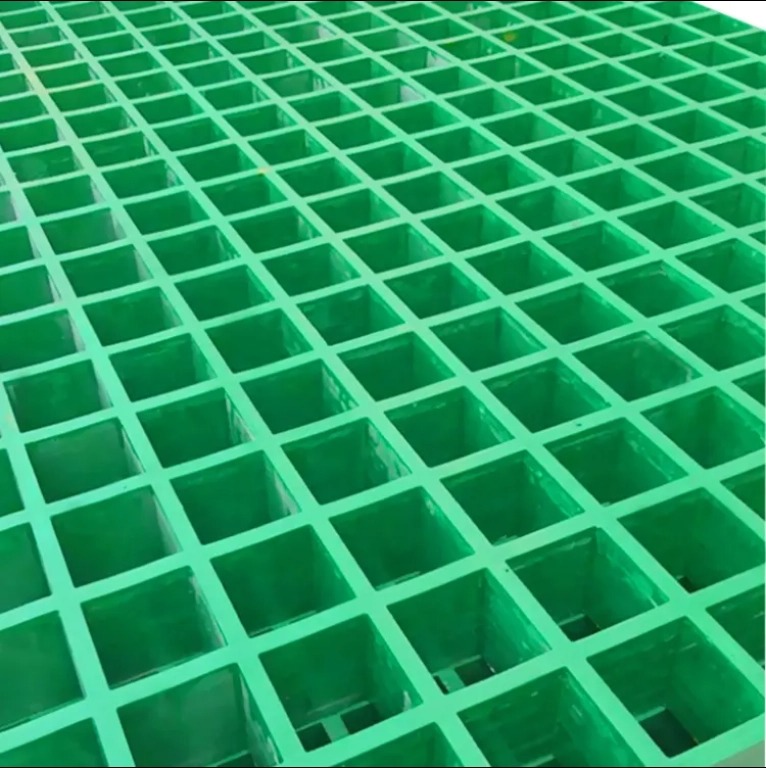
Fiberglass grating, a type of composite material made from fiberglass reinforced plastic (FRP), has seen exponential adoption in various industries due to its remarkable combination of lightweight construction and high strength. Unlike traditional metal or wood gratings, fiberglass grating offers superior corrosion resistance, low maintenance, and ease of installation. It’s commonly used in chemical plants, marine environments, wastewater facilities, and even architectural projects where safety, durability, and structural integrity are paramount.
But one question remains critical for engineers, facility managers, and safety inspectors: how much weight can fiberglass grating actually hold? In this comprehensive guide, we’ll delve into the load-bearing capabilities of fiberglass grating, analyzing key factors that influence its strength, including panel thickness, mesh size, span length, and installation technique.
Let’s uncover the facts, debunk common myths, and give you the confidence to choose the right fiberglass grating for your load-bearing needs.
What Determines the Load Capacity of Fiberglass Grating?
The weight a fiberglass grating panel can bear depends on a range of factors. These include the type of grating (molded or pultruded), the panel thickness, the span between supports, the direction of load application, and even environmental conditions like temperature and humidity. Load capacity is generally expressed in pounds per square foot (psf) or kilonewtons per square meter (kN/m²).
Molded fiberglass grating, constructed in a single piece using a mold, has a bidirectional strength pattern, making it effective for evenly distributed loads. Pultruded grating, on the other hand, is made by pulling fiberglass rovings through a resin bath and curing them in a die. This type is ideal for applications requiring higher unidirectional strength and is often used where heavy-duty, high-traffic use is expected.
The span length plays a vital role. A shorter span significantly increases the weight capacity, while a longer unsupported span reduces it. Similarly, grating with thicker bars or a smaller mesh size usually offers greater strength. To determine the exact capacity, one must consult the manufacturer's load tables, but general industry data provides a reliable estimate.
Weight Capacity: Molded vs Pultruded Fiberglass Grating
Let’s look at some generalized load capacities based on type, span, and thickness.
| Grating Type | Thickness | Span (ft) | Concentrated Load Capacity (lbs) |
| Molded FRP | 1" | 2 | ~1,200 |
| Molded FRP | 1.5" | 3 | ~1,800 |
| Pultruded FRP | 1.5" | 4 | ~2,500 |
| Pultruded FRP | 2" | 5 | ~3,000+ |
These values are only indicative and can vary based on exact specifications. For point loads or vehicular traffic, reinforced pultruded gratings with additional supports are typically required.
It’s essential to understand uniform distributed load (UDL) versus concentrated load. While UDL spreads weight across the surface, a concentrated load puts pressure on a specific area, requiring more reinforcement. Always select grating based on the maximum anticipated load type and location.

Safety Factors and Industry Standards
When designing with fiberglass grating, engineers must consider safety factors, typically ranging from 2.0 to 5.0, depending on the application and jurisdiction. This means if a grating panel is tested to hold 2,000 lbs, its rated safe working load might be only 1,000 lbs under a 2.0 safety factor.
International standards such as ANSI, ASTM, and ISO provide guidelines on FRP grating performance. For example, ASTM E-84 defines flame spread index, while ASTM D635 outlines burn rate. Mechanical properties like flexural strength, impact resistance, and tensile strength are also regulated to ensure public and worker safety.
It’s not just about strength, but reliability over time. Fiberglass grating doesn’t rust like steel or warp like wood, but it can degrade in UV-heavy or chemically aggressive environments if not properly formulated. Quality grating is made with UV inhibitors and resin systems tailored to the environment—whether that’s salty air, acidic wash-downs, or industrial solvents.
Practical Applications Based on Weight Tolerance
Different industries require different weight-bearing capacities:
Walkways and Platforms: Typically require a grating capable of supporting at least 1,000–1,500 lbs distributed load. Molded FRP is sufficient in most cases.
Trench Covers: Need higher point load capacity; pultruded fiberglass grating is preferred here, often reinforced with steel frames.
Maintenance Access Flooring: Should support rolling loads such as carts or toolboxes—pultruded grating with a 2" thickness is recommended.
Chemical Storage Areas: Often require high chemical resistance and high strength, so custom-formulated resin pultruded gratings with heavy-duty spans are used.
Each application must balance cost, durability, strength, and environmental compatibility. Overdesign leads to overspending; underdesign leads to catastrophic failure.
FAQs: Common Questions About Fiberglass Grating Strength
Q1: Can fiberglass grating hold the weight of a car or forklift?
A: Standard molded grating is not designed for vehicular loads. However, heavy-duty pultruded fiberglass grating reinforced with steel substructures can support light vehicle loads. Forklift traffic typically requires custom-engineered steel grating.
Q2: How does fiberglass grating compare to steel in terms of weight capacity?
A: Steel generally offers a higher load-bearing capacity per square inch. However, fiberglass grating offers a much higher strength-to-weight ratio, corrosion resistance, and lower life-cycle costs in aggressive environments.
Q3: Does temperature affect fiberglass grating strength?
A: Yes. High temperatures (above 65°C/150°F) can reduce the mechanical strength of FRP materials. Specialized resins can improve thermal stability.
Q4: Is it safe to walk on fiberglass grating without extra support?
A: As long as the span and load do not exceed recommended limits, it’s safe. Always refer to technical specifications and install per industry standards.
Q5: How can I increase the weight-bearing capacity of fiberglass grating?
A: Reduce span length, use thicker panels, select pultruded over molded grating, or add structural supports below the grating.

Conclusion
Fiberglass grating has become a modern engineering staple due to its lightweight yet robust properties. But understanding its weight-bearing capabilities isn’t a one-size-fits-all scenario. The type of grating, thickness, support span, environment, and load type all play critical roles.
Whether you're building an industrial platform, trench cover, or chemical facility floor, choosing the right fiberglass grating and installation method is crucial to long-term performance and safety.