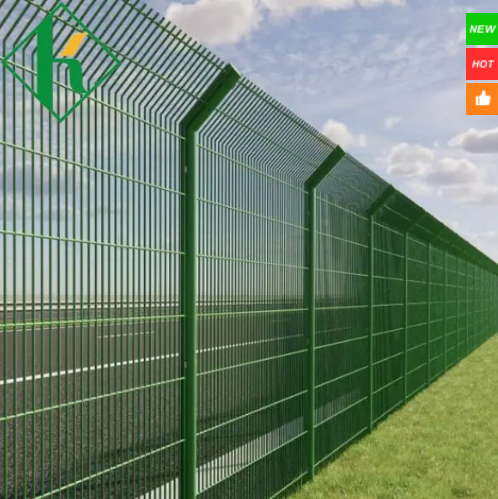
Why is farm fencing crucial for agricultural success?It’s more than just a boundary marker. Farm fences protect livestock, secure crops, and define property lines. In this article, we'll explore how farm fencing prevents livestock escapes, reduces predation, enhances crop security, and more. Discover why investing in quality farm fencing is essential for thriving agricultural operations.
Protecting Livestock with Farm Fencing
Preventing Livestock Escapes
Farm fencing acts as a reliable barrier that keeps livestock safely contained. Animals like cows, sheep, goats, and horses have natural instincts to roam or explore, which can lead them beyond farm boundaries. Without proper fencing, they risk injury, loss, or exposure to hazardous areas such as roads or neighboring properties. A sturdy fence ensures animals stay within designated grazing zones, reducing the chances of escape.
By confining livestock, farmers can monitor their health and behavior more easily. It also simplifies daily management tasks like feeding, breeding, and medical care. For example, rotational grazing systems rely on fences to divide pastures, allowing farmers to control which areas animals access and when. This promotes better pasture recovery and reduces overgrazing.
The choice of fencing type matters. Barbed wire, woven wire, and electric fences are common options that provide secure containment. Each has pros and cons depending on livestock type and farm layout. For instance, barbed wire is cost-effective for cattle but may injure smaller animals like sheep. Electric fencing offers flexibility and can be moved or adapted for temporary paddocks.
Reducing Predation Risks
Predators such as coyotes, wolves, foxes, and stray dogs pose serious threats to livestock. Farm fencing serves as the first line of defense against these dangers. A well-designed fence can deter or physically block predators from entering livestock areas.
Certain fencing styles include features to enhance predator resistance. For example, adding electric wires along the fence perimeter delivers a mild shock that discourages predators from attempting entry. Woven wire fences with smaller mesh sizes prevent smaller predators from squeezing through gaps.
Apart from physical barriers, fencing helps reduce livestock stress caused by predator presence. Animals feel safer and graze more calmly, which improves overall health and productivity.
In some regions, combining fencing with guard animals like dogs or llamas further strengthens protection. Together, these methods create a safer environment that minimizes livestock losses.
Tip: Regularly inspect and maintain fences to prevent weak spots where livestock might escape or predators could enter, ensuring ongoing protection and peace of mind.
Enhancing Crop Security
Preventing Wildlife Intrusion
Farm fencing plays a crucial role in keeping wild animals away from valuable crops. Deer, rabbits, raccoons, and other wildlife often wander into fields, feeding on plants or trampling seedlings. This intrusion can lead to significant crop damage and financial loss.
A well-built fence creates a physical barrier that deters these animals. For example, woven wire fences with small mesh sizes prevent smaller animals from squeezing through. Taller fences can discourage larger wildlife like deer from jumping over. Electric fencing adds an extra layer of protection by delivering a mild shock, teaching animals to avoid the area.
Strategically placing fences around crop fields helps farmers protect their investment. It reduces the need for chemical repellents or scare tactics, which may be less effective or environmentally harmful. Moreover, fencing supports sustainable farming by minimizing crop loss and promoting healthy growth.
Maintaining Crop Integrity
Beyond keeping wildlife out, farm fencing helps maintain the overall integrity of crops. It prevents livestock or pets from accidentally entering crop areas, which can cause trampling or contamination. For instance, cows or goats wandering into a vegetable patch can destroy plants and compact soil, harming future yields.
Fencing also supports organized farm management. By clearly separating crop zones from grazing or livestock areas, farmers can plan crop rotations and maintenance more efficiently. This separation reduces the risk of soil compaction and disease spread between animals and plants.
In addition, fencing assists in controlling access during critical crop stages. It keeps unauthorized people or vehicles away, reducing the risk of physical damage or theft. Gates with locks offer controlled entry points, ensuring only farm workers handle sensitive crops.
Choosing the right fencing materials and design depends on the type of crops and local wildlife. Durable materials like galvanized wire resist weather and animal pressure, ensuring long-term protection. Combining fencing with regular monitoring and maintenance maximizes crop security and farm productivity.
Defining Property Boundaries
Reducing Disputes with Neighbors
Clear property boundaries are essential for peaceful farm operations. Fences mark your land’s edges, so everyone knows where your farm ends and the next begins. This clarity helps prevent misunderstandings or conflicts with neighbors over land use or trespassing.
When boundaries are well defined, neighbors are less likely to accidentally cross into your property. This reduces tensions and fosters good relationships. It also simplifies farming activities, as you can confidently manage your land without worrying about encroaching on others.
Using visible fences to mark borders shows respect for neighboring farms. It signals your commitment to responsible land stewardship. This can build trust and cooperation, which benefits the entire farming community.
Legal Implications of Clear Boundaries
Beyond neighborly harmony, clear boundaries have legal importance. Property lines defined by fences help establish ownership and protect your rights. In case of disputes, a well-maintained fence can serve as evidence of your land limits.
Legal clarity reduces the risk of costly conflicts or litigation. It also supports accurate land records and easements. For example, when selling land or applying for permits, clear boundaries streamline processes and avoid complications.
Proper boundary fencing helps prevent accidental trespass, which can lead to liability issues. If someone enters your farm unknowingly and gets injured, clear fences can demonstrate you took reasonable steps to mark your property and warn visitors.
To ensure your fences align with legal property lines, consider surveying your land professionally. This step avoids costly mistakes and confirms your fence placement is accurate and compliant.

Improving Farm Aesthetics
Choosing the Right Fence Design
Farm fencing does more than just protect — it shapes how your farm looks. Picking the right design can boost your farm’s curb appeal and reflect your style. Options range from classic wooden post and rail fences to sleek metal wire fences, each offering a unique look.
Wooden fences, especially those made from cedar or treated pine, give a warm, rustic charm. They’re popular on horse farms or places where appearance matters. Metal fences, like woven wire or high-tensile wire, offer a clean, modern look and often require less upkeep.
Consider fence height, color, and style to match your farm’s character. For example, white-painted rail fences stand out beautifully against green pastures, while natural wood blends into wooded areas. Some farmers even combine materials — wood posts with wire mesh — for both beauty and function.
Also, think about how the fence fits your farm’s practical needs. A fence that looks great but doesn’t hold up to livestock or weather won’t serve you long. So, choose designs that balance durability and aesthetics.
Complementing the Natural Landscape
A well-chosen fence complements the land, not clashes with it. It should blend with natural features like trees, hills, and crops. This harmony creates a pleasing scene that visitors and neighbors appreciate.
For farms surrounded by forests or rolling hills, natural wood or earth-toned fences work best. They soften the fence’s presence and keep the landscape feeling open and organic. In flat, open fields, fences with clean lines and simple colors can add structure without overpowering the view.
| Planting shrubs or flowering plants along fences | Enhance beauty and provide wildlife habitat |
| Living fences or hedgerows | Serve as natural barriers and add color and texture |
Lighting can also highlight fences at dusk, making your farm look inviting and well cared for. Solar-powered lights are eco-friendly and easy to install along fence lines.
Remember, your fence is part of your farm’s story. Thoughtful design and placement make it a feature, not just a boundary.
Ensuring Farm Security
Deterring Theft and Trespassing
Farm fencing plays a vital role in protecting your property from theft and unauthorized access. A strong, well-constructed fence acts as a clear signal that the area is private and monitored. This discourages potential intruders from entering your farm, reducing risks of livestock theft, equipment loss, or vandalism.
Fences combined with locked gates create controlled entry points, making it harder for trespassers to gain access unnoticed. Using materials like high-tensile wire or woven wire enhances security, as these are difficult to cut or climb. Adding visible signage about private property and security measures further deters unwanted visitors.
In some cases, farms install additional security features like motion sensors, surveillance cameras, or alarm systems integrated with fencing. These technologies alert farmers or security personnel to suspicious activity, enabling quick responses. Well-lit fence lines also discourage nighttime trespassing.
By securing your farm perimeter, you protect your valuable assets and reduce the stress and costs associated with theft or damage. It also ensures a safer environment for your family, workers, and animals.
Implementing Access Control
Access control is essential for managing who enters and exits your farm. Fencing provides the framework for this control by defining entry points and allowing installation of gates, locks, or electronic access systems.
Gates can be manual or automated, depending on farm size and budget. Automated gates with keypad entry, remote controls, or smartphone apps offer convenience and enhanced security. They ensure only authorized personnel, suppliers, or visitors gain entry, while keeping others out.
Access control also helps in tracking farm traffic, which is important for biosecurity. Limiting entry points reduces the chances of disease introduction or contamination. For example, visitors can be directed to a designated area for sanitation or inspection before proceeding further.
Combining fencing with access control supports efficient farm operations. It prevents accidental trespassing by neighbors or wildlife and protects sensitive areas like crop fields, equipment storage, or animal housing.
Facilitating Disease Prevention
Minimizing Animal Contact
Farm fencing plays a crucial role in reducing disease spread among livestock by limiting direct contact between animals. When animals from different herds or farms mix, they can easily transmit infections. A well-designed fence keeps these groups separated, helping maintain herd health.
For example, fences divide pastures and pens, preventing nose-to-nose contact that spreads diseases like bovine respiratory infections or foot-and-mouth disease. This separation also reduces stress on animals, which can weaken their immune systems and make them more vulnerable to illness.
Fencing also helps control the movement of wild animals that may carry diseases. By keeping wildlife out, farmers reduce the risk of infections jumping from wild populations to domestic livestock.
Implementing Quarantine Protocols
Quarantine areas are essential when introducing new animals or isolating sick livestock. Fencing creates physical barriers that support these protocols, ensuring healthy animals stay protected.
When new animals arrive, farmers can fence off a quarantine zone to monitor and treat them before mixing with the main herd. This step prevents the introduction of contagious diseases.
Similarly, sick animals can be fenced separately to avoid infecting others. Temporary fencing or movable electric fences work well for quarantine, allowing flexibility as needed.
Clear signage and controlled access to quarantine areas help farm workers follow biosecurity measures, reducing accidental disease spread.
Conclusion
Farm fencing is crucial for livestock safety, crop protection, and property management. It prevents escapes, reduces predation risks, and ensures crop security. Additionally, it defines boundaries, enhances aesthetics, and improves farm security. Investing in quality fencing solutions is essential for maintaining farm operations and protecting assets. When considering fencing options, choose reliable products like those offered by Kaiheng, known for their durability and effectiveness. Their fencing solutions provide excellent value, ensuring long-term protection and peace of mind for farmers.
FAQ
Q: What is a farm fence used for?
A: A farm fence is used to contain livestock, protect crops, define property boundaries, and enhance farm security. It acts as a barrier to prevent animal escapes, deter predators, and minimize disease spread.
Q: How does farm fencing reduce predation risks?
A: Farm fencing reduces predation risks by creating a physical barrier that deters predators like coyotes and foxes from entering livestock areas. Electric wires can add extra protection by delivering mild shocks to discourage entry.
Q: Why is farm fencing important for crop security?
A: Farm fencing is crucial for crop security as it prevents wildlife intrusion, reducing crop damage and financial loss. It also maintains crop integrity by keeping livestock and unauthorized individuals away from sensitive areas.
Q: What are the benefits of using farm fencing for disease prevention?
A: Farm fencing helps prevent disease by minimizing direct animal contact and supporting quarantine protocols. It separates livestock groups, reducing infection spread, and keeps wild animals that may carry diseases out.