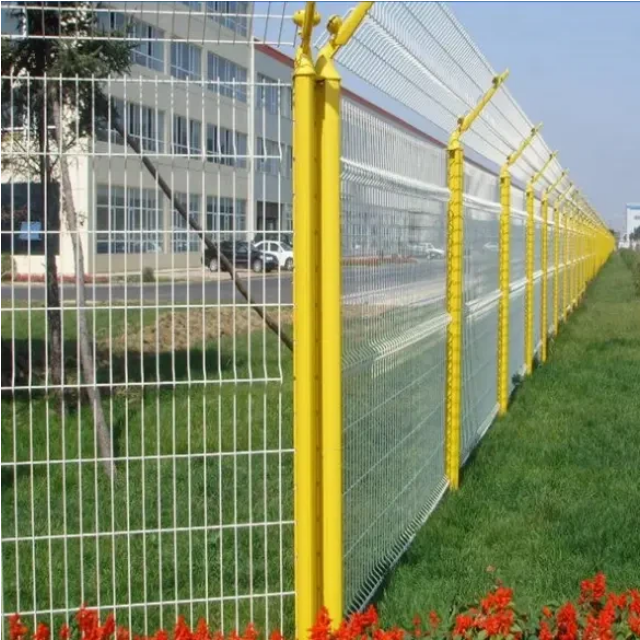
For every farmer, the safety of livestock and crops is a top priority. Wild animals and predators can cause serious financial loss and emotional stress if they damage property or harm animals. Installing a farm fence designed to block predators is one of the most effective ways to protect agricultural operations. As a professional fencing manufacturer, Kaiheng provides durable and versatile fencing solutions that help farms create secure environments and minimize the risks caused by wildlife intrusion. Whether you are raising poultry, sheep, or cattle, a well-designed fence creates the first line of defense against danger, preserving peace of mind and productivity.
Quick Snapshot: Why Predator-Proofing Matters for Farms
Predator-proofing is not just a precaution—it’s an investment in your farm’s long-term security. Night-time attacks from foxes, coyotes, or wild boars can quickly devastate a herd or destroy valuable crops. Beyond financial losses, these incidents often lead to unnecessary animal suffering and stress, impacting productivity and well-being.
Farmers operating in regions with high wildlife populations often find that preventive fencing is cheaper than continuous repairs or replacements caused by attacks. Effective barriers reduce the frequency of predator visits and prevent habituation, keeping wild animals away from your farm boundaries.
Moreover, predator-proof fencing supports the balance of your farming ecosystem. It ensures that both domestic and wild animals coexist without direct conflict, preserving safety while maintaining agricultural sustainability.
What Makes a Fence Predator-Proof?
Height, Mesh Size, and Visual Barrier
A fence’s height and mesh design are the first layers of defense. Small predators like foxes, raccoons, and weasels can slip through wide gaps, so tighter mesh spacing is crucial. Typically, a woven wire or welded mesh with openings no larger than 2 inches can effectively stop small animals.
Height plays an equally important role. For farms dealing with jumping or climbing animals, fences between 5 to 8 feet high provide the needed deterrence. A solid visual barrier—achieved through closely spaced wires or netting—also prevents predators from seeing potential prey, discouraging attempts to breach the fence.
Buried Apron and Ground Anchoring to Stop Digging
Many predators, such as foxes and coyotes, are excellent diggers. Without ground anchoring, they can easily tunnel under a fence. Installing a buried apron—a section of fencing that extends outward underground—is a proven strategy to block this behavior. The buried section should ideally go 12–18 inches deep and angle outward to form a physical deterrent.
Kaiheng’s field fence designs incorporate optional buried skirts or aprons made from high-strength welded wire. This design eliminates weak points around the fence base and ensures long-lasting ground stability.
Material Strength and Tension
Material quality is the foundation of a predator-proof system. High-tensile steel wire is preferred because it maintains tension over time, resists weather corrosion, and provides higher breaking strength than standard wire. For long boundary fences or wildlife barriers, galvanized coatings extend lifespan and reduce maintenance needs.
Tensioning also determines performance. A properly tensioned fence resists sagging and prevents animals from forcing their way through. Kaiheng’s fencing products are built using strong wire mesh with precise tensioning and welding techniques, guaranteeing durability even under constant outdoor exposure. With decades of technical expertise, our products are designed to adapt to various landscapes, from flat farmlands to sloped terrain, providing flexible installation options for different customer needs.

Top Fence Types for Keeping Wildlife Out (Pros & Cons)
Woven Field Fence:
A traditional choice for livestock farms, woven field fence combines flexibility with strength. Best for mixed-animal farms, it’s suitable for sheep, goats, and horses. The downside is potential sagging without proper post support, but its cost-effectiveness and coverage area make it a strong option.
Welded Wire Fence with Buried Apron:
Ideal for smaller animals or poultry farms. The welded joints resist chewing and climbing. Adding a buried apron prevents digging predators from entering. It’s a low-maintenance design but may require occasional tightening under high tension.
Electrified Fence:
A modern deterrent that uses low-voltage pulses to discourage contact. Best for large properties where physical barriers may not be practical. Requires a power source and regular inspection, but extremely effective for deer and boar deterrence.
Stock Panels with Skirt:
Heavy-duty panels connected with ground skirts offer a solid wall-like defense. These are perfect for areas with large animals or in mixed-farm environments. Though more expensive, they deliver exceptional longevity.
Combination Systems:
Some farms mix types—using welded mesh near barns and electrified lines on the perimeter. This method offers tailored protection but needs more planning during installation. The right combination allows flexibility in adapting to changing wildlife patterns while controlling costs.
Design Examples by Threat Type
Protecting Poultry and Small Animals
Chickens, rabbits, and ducks are the most vulnerable to small predators like weasels and raccoons. Fencing with fine welded wire mesh and small apertures (around 1 inch) prevents intrusion. The addition of netting on top prevents aerial predators such as hawks or owls. For enhanced durability, galvanized steel fencing from Kaiheng ensures corrosion resistance even in humid or rainy conditions.
Deterring Foxes and Coyotes
Foxes and coyotes are intelligent and persistent. They can jump, climb, and dig. A well-designed system combines a 6-foot-high mesh fence with an outward-facing overhang at the top and a buried apron at the bottom. For farms in coyote-prone regions, adding an electrified strand near the top acts as a strong psychological deterrent.
Kaiheng’s welded wire and field fences are frequently chosen for such setups due to their high tensile strength and adaptability to uneven terrain.
Big Wildlife: Deer and Wild Boar
Large mammals like deer and wild boars require taller and more reinforced fences. Deer fences should reach at least 8 feet, with closely spaced vertical wires to prevent jumping. For boars, durability is the priority—heavy-gauge woven wire and solid anchor posts are essential. Some farms use double-line fencing, with a visual deterrent (like reflective tape or flags) between two parallel fences to confuse large animals and keep them away.
Installation Tips That Actually Reduce Escapes and Breaches
Building a predator-proof fence requires careful planning. Begin with a site assessment: identify vulnerable areas like low ground or wooded edges where animals are most likely to enter.
Next, trench along the fence line to bury the apron or ground skirt. Space posts evenly (usually every 8 to 12 feet) to maintain consistent tension. Use treated wood or steel posts for long-term stability. When stretching wire, ensure even tension from corner to corner—loose sections can become weak points.
Install secure gates with strong hinges and latches, and reinforce corners with diagonal bracing. After installation, routine maintenance is key: inspect after storms, tighten sagging sections, and clear vegetation that could damage or short the fence. A well-maintained fence can last more than a decade with minimal repair needs.
Real-World Cost vs Value: Reducing Losses with the Right Fence
The cost of installing predator-proof fencing varies depending on material, length, and design. However, when viewed as a long-term investment, it consistently delivers positive returns. Preventing even a few predator attacks can offset installation costs within a short period.
Durable materials such as galvanized high-tensile wire and welded mesh have lower lifecycle costs thanks to their long lifespan and minimal maintenance requirements. The peace of mind of knowing your animals and crops are safe adds immeasurable value to your farming operation.
At Kaiheng, our fencing systems are engineered for performance and reliability, ensuring every farmer can create a strong defense against wildlife threats. Submit the form to get a free quote immediately!
Conclusion
A reliable farm fence does more than define boundaries—it safeguards your livelihood. From preventing night-time attacks to deterring large wildlife, the right fencing solution ensures your farm operates safely and efficiently. Kaiheng, with over 20 years of manufacturing experience in high-quality wire mesh products, provides fencing systems designed to stand up to real-world challenges. Protect your animals and crops today—contact us to learn more about durable and customizable fencing options for your farm.
FAQ
Q1: What type of fence is best for protecting poultry from predators?
Welded wire mesh with a small grid size (around 1 inch) and a buried apron offers the best protection for poultry farms. Adding overhead netting also prevents attacks from birds of prey.
Q2: How deep should a fence be buried to stop digging animals?
For foxes and coyotes, the fence should be buried at least 12–18 inches deep and angled outward to prevent digging beneath the barrier.
Q3: Is electric fencing safe for livestock?
Yes. Low-voltage electric fencing systems are safe and serve mainly as psychological deterrents rather than harmful barriers. They help reinforce physical fences for added security.
Q4: How long does a galvanized farm fence last?
High-quality galvanized fences can last 10–20 years depending on environmental conditions and maintenance frequency, making them a cost-effective long-term investment.