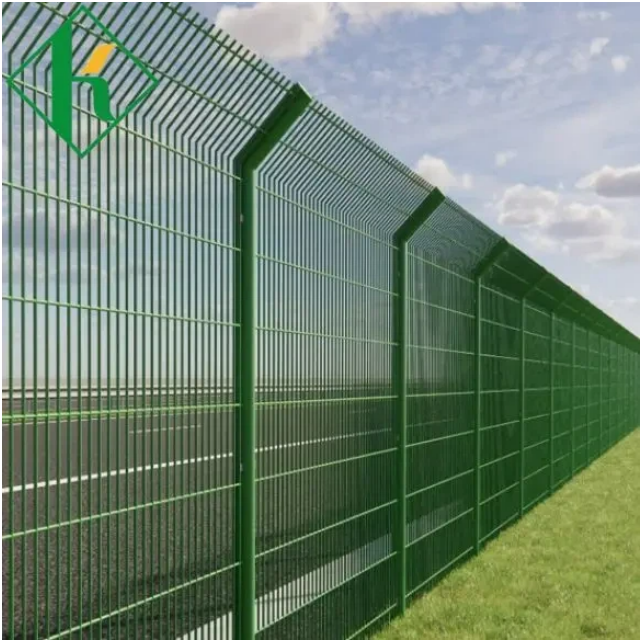
When establishing or upgrading the perimeter of a farm, the decision about what kind of farm fence to use is far more significant than it may first appear. The choice of material determines not only how long the fence will last but also how effectively it will protect livestock, how much maintenance will be required, and even how the property will look. At Kaiheng, a professional manufacturing enterprise located in Hebei Province—the “Hometown of Wire Mesh in China”—we have supplied fencing materials to agricultural, industrial, and civil users for over two decades. Through this experience, we have learned that the right fence material can improve farm efficiency, enhance safety, and reduce total ownership cost over time. This article explores the main categories of farm fence materials—wire, wood, high-tensile, and PVC—so you can understand their unique benefits and limitations before making your investment.
Material Matters for Longevity and Safety
The fence you choose will shape the safety, appearance, and productivity of your farm for years to come. Fencing is not just a boundary—it’s a security system, an animal management tool, and often the first impression visitors see. The performance of a fence depends primarily on the material it’s built from. Some farmers prefer the classic look and flexibility of wooden post-and-rail fences, while others choose durable steel wire systems that can span long distances with minimal maintenance. Modern synthetic materials such as PVC and composite fencing are also gaining ground, especially among those who want a clean, low-maintenance visual barrier.
The longevity of a fence is determined by multiple factors: material strength, resistance to rust or decay, climate exposure, and the pressure applied by animals. A galvanized or coated metal fence can easily outlast untreated wood, while vinyl fences resist weathering but lack impact strength. Therefore, selecting the right material requires balancing durability, safety, maintenance effort, and cost. It is never simply about price—it’s about total performance over time.
Wire Systems: Woven, Welded, and High-Tensile
Wire fences have served as the backbone of agricultural fencing for more than a century. Their strength, adaptability, and affordability make them ideal for enclosing large areas and managing livestock of different species. Depending on how the wires are joined and tensioned, the characteristics of these fences vary widely.
Woven Field Fence: Strengths and Best Uses
Woven field fence—sometimes referred to as "hinge-joint fence" or "woven wire"—is designed with horizontal and vertical wires that create interlocking rectangles. Each knot allows slight movement when animals push against the fence, which helps absorb impact and prevents the wires from breaking. This flexibility makes it an excellent choice for containing sheep, goats, pigs, and poultry. The tighter mesh at the bottom helps prevent smaller animals from slipping through while keeping predators out.
Because it’s typically galvanized, woven wire resists corrosion even in humid or coastal environments. It is strong enough to endure animal pressure and wind while remaining flexible across uneven terrain. Many farms combine woven wire with wooden or steel posts to create a balance of traditional appearance and practical strength. In regions with heavy rainfall or snow, galvanized coatings or zinc-aluminum alloy treatments can dramatically extend the service life of woven fences to more than two decades.
High-Tensile Wire: Longevity and Performance
The high-tensile farm fence represents a more modern evolution of traditional wire fencing. Built from carbon-steel wire stretched to a high degree of tension, it provides superior strength with fewer posts. The tension keeps the wire tight even when animals lean on it, preventing sagging and maintaining fence integrity over time. Its ability to flex and return to position after impact makes it ideal for large pastures where cattle, horses, or deer graze.
One of the greatest advantages of high-tensile fencing is its low maintenance requirement. Once correctly installed and tensioned, it rarely needs adjustment. The galvanization process prevents rust, and the high-tensile properties mean the wire is less likely to break or deform. In open landscapes, farmers often install electrified strands along high-tensile fences, combining physical and psychological barriers for enhanced control. Though initial installation requires skilled labor and specialized tensioning tools, the long-term benefits—durability, reduced maintenance, and superior containment—make it one of the most cost-effective options over the fence’s lifetime.
Barbed Wire: Where It Still Makes Sense
Barbed wire remains a classic and cost-efficient option, especially in large rural areas where vast distances must be fenced economically. Each strand of barbed wire carries sharp points at regular intervals, providing a deterrent against climbing or leaning. It’s still widely used for cattle fencing and perimeter protection in open ranges. However, barbed wire must be handled carefully—it can injure animals with sensitive skin, such as horses or dairy cattle, and should not be used for small livestock.
Modern barbed wire is galvanized to resist corrosion, allowing it to endure sun, wind, and rain for many years. Farmers often install it as a top strand above woven wire fencing, creating a layered system that prevents animals or intruders from crossing. For remote farms with limited budgets, barbed wire offers a practical, durable, and affordable boundary solution when properly maintained.
")
Timber and Post-and-Rail Fences
Wood fencing brings natural beauty and visual warmth to agricultural properties. Post-and-rail styles, in particular, are preferred for horse paddocks, farm entrances, and estates where appearance matters as much as function. A well-built timber fence creates a strong, visible barrier without harsh edges, reducing the risk of injury for animals such as horses that may rub or lean against the structure.
However, the main challenge of wood fencing lies in its maintenance. Untreated timber is vulnerable to rot, termites, and weathering. Regular painting, sealing, or pressure treatment is essential to maintain durability. The lifespan of wooden fences depends on wood type—cedar and oak last longer than pine—and on the climate. While timber fences can last 10 to 20 years, replacement of damaged boards or rails is often necessary over time. Despite these drawbacks, many farm owners continue to prefer timber for its aesthetic appeal and traditional look. When combined with wire mesh inserts, timber fences can safely contain smaller animals while retaining their rustic charm.
PVC, Vinyl, and Synthetic Alternatives
PVC and vinyl fences have transformed farm aesthetics with their clean, bright appearance and low maintenance. These materials resist fading, moisture, and insect damage, eliminating the need for painting or sealing. They are easy to install and clean, requiring only periodic washing to restore their appearance. For decorative boundaries or light livestock areas, vinyl fencing provides a visually appealing and long-lasting choice.
Still, synthetic materials have limitations. While they perform excellently in terms of weather resistance, they lack the tensile strength of steel or the impact absorption of wood. For large animals or rugged terrain, vinyl fencing may bend or crack under pressure. Some advanced models reinforce the PVC rails with internal steel or composite cores, improving strength and flexibility. For farms focused on aesthetics, low maintenance, or defining property perimeters, PVC fencing is a reliable and modern alternative.
Mixed Systems and Hybrid Solutions
Many successful farms combine materials to balance strength, cost, and appearance. For example, wooden posts paired with high-tensile wire provide a secure yet visually traditional fence line. Woven wire can be added at lower sections for goats and sheep, while electrified strands can be installed along the top to discourage climbing or leaning.
Hybrid systems allow customization for specific needs. A horse farm might use wood for paddock visibility and safety, with electric strands for additional control. A cattle ranch could rely on high-tensile wire for durability and include steel panels at gates or high-traffic areas. The flexibility of mixing materials gives farmers the freedom to match terrain conditions, animal types, and budgets. Hybrid systems are also easier to expand or modify as operations grow.
Comparison Table: Durability, Cost, and Maintenance
Fence Material | Life Expectancy | Cost Range | Maintenance Level | Best Use Case |
Woven Wire | 15–25 years | Medium | Low | Sheep, goats, poultry |
High-Tensile Wire | 20–30 years | Medium | Very Low | Cattle, large pastures |
Barbed Wire | 10–15 years | Low | Moderate | Cattle, perimeter fences |
Timber/Post & Rail | 10–20 years | High | High | Horses, decorative fencing |
PVC/Vinyl | 20–25 years | Medium–High | Very Low | Property lines, light livestock |
This table highlights that the “best” fence isn’t universal—it depends on your animals, terrain, and desired longevity. High-tensile systems deliver unmatched durability for large operations, while timber offers elegance and safety for horses. Vinyl excels where maintenance time is limited, and woven wire balances cost and control for small livestock.
Conclusion
At Kaiheng, we specialize in producing high-quality wire mesh and steel-based fencing materials used worldwide in agriculture, industry, and public infrastructure. Our products are manufactured with advanced galvanizing processes and rigorous quality control to ensure long-lasting corrosion resistance and strength. Whether you need woven, welded, or high-tensile solutions, we can customize the ideal system for your farm environment. To learn more or receive a tailored quotation, contact us today and our team will provide expert guidance and detailed product recommendations.
FAQ
1. What is the strongest type of farm fence?
High-tensile wire fencing is generally the strongest and most durable, capable of lasting more than 25 years when correctly tensioned and galvanized.
2. Are PVC fences suitable for livestock farms?
PVC or vinyl fences work well for boundary definition or light-duty enclosures but should not be used for containing large or aggressive animals.
3. How do I prevent rust on wire fences?
Choosing hot-dip galvanized or zinc-coated wire dramatically extends fence lifespan by protecting against moisture and oxidation.
4. Can I mix wood and wire in one fence?
Yes. Hybrid fences that use wood posts with high-tensile wire or woven mesh provide both visual appeal and superior strength, making them cost-effective for many modern farms.