For every modern farm, an efficient farm fence system is far more than just a boundary—it’s a management tool that determines animal safety, grazing efficiency, and overall farm productivity. At Kaiheng, a professional steel grating and fencing manufacturer based in Hebei Province—known as the “Hometown of Wire Mesh in China”—we have seen how the right fencing choice transforms farm operations. Whether you manage a small family pasture or a large livestock enterprise, understanding when to use portable fencing versus permanent fencing is essential for achieving the best balance between flexibility, cost, and durability.
In this article, we’ll explore the major differences, advantages, and practical applications of both fencing systems, showing how each type can support your unique management goals. By the end, you’ll have a clear idea of how to design a fencing plan that saves time, protects your animals, and grows with your business.
What’s the Difference Between Portable and Permanent Systems?
Portable (or flexible) fencing and permanent (or fixed) fencing differ in both purpose and construction. Portable fences are designed for mobility and temporary use, while permanent fences are built for longevity and structural strength.
Portable fences can be moved, reconfigured, or stored away seasonally. They use lightweight materials such as fiberglass or plastic posts, polywire, and solar energizers. Farmers who need to divide fields frequently—like those practicing rotational grazing—depend on portable systems to create short-term paddocks that can shift with forage availability or herd movement.
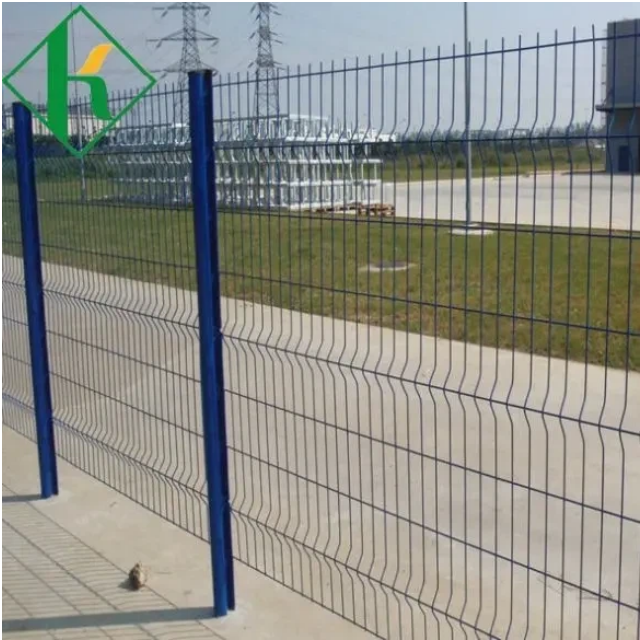
Permanent fences, on the other hand, are established for long-term protection. They form the structural framework of a property and usually define its outer boundaries. Built from high-tensile wire, steel panels, or wooden rails, they can resist heavy livestock pressure and harsh weather for decades.
In short, portable fencing offers flexibility, while permanent fencing delivers security. Successful farms often find value in using both strategically.
Advantages of Portable Fencing
Portable fencing systems have revolutionized livestock management by giving farmers unmatched freedom to adapt land use. They’re particularly beneficial for rotational grazing, seasonal operations, and leased pastures.
Rapid Deployment and Flexibility
Setting up a portable fence is quick and requires minimal tools. Farmers can build a temporary enclosure in hours, then move it elsewhere without leaving permanent marks on the landscape. This flexibility makes it ideal for land conservation, allowing rest periods for pastures and promoting regrowth of vegetation.
Lower Upfront Cost
Portable fences require fewer materials and less labor. Farmers can start small with a few reels of polywire and step-in posts, then expand as their herd grows. For new operations or smaller budgets, this low initial cost is a major advantage.
Ideal for Rotational Grazing
Mississippi State University Extension and many agricultural experts recommend rotational grazing to improve pasture health and reduce soil erosion. Portable fencing allows farmers to rotate livestock efficiently, ensuring even grazing and better nutrient distribution.
Typical Portable Materials
Polywire or polytape: Conductive and easy to handle, suitable for most livestock.
Temporary posts: Lightweight fiberglass or plastic options that can be repositioned easily.
Solar energizers: Provide reliable electric current even in remote areas.
Together, these components create a simple yet effective fencing solution adaptable to changing farm needs.
Advantages of Permanent Fencing
Permanent fencing remains the most reliable way to define property boundaries and ensure livestock safety for the long term. For farmers who want peace of mind and minimal ongoing maintenance, permanent fencing is the superior choice.
Strength and Longevity
Made from durable materials like high-tensile wire or steel mesh panels, permanent fences can withstand livestock pressure, wind, and snow. With professional installation and quality materials—like those produced by Kaiheng—these systems can protect your property for 20 years or more.
Enhanced Security
Permanent fences form an impenetrable perimeter. They keep livestock safe inside and wildlife or trespassers out. For farms near forests or rural roads, this barrier provides a sense of security and stability.
Low Long-Term Maintenance
After installation, maintenance is limited to occasional tensioning and minor repairs. Unlike portable fencing, which must be moved and checked frequently, permanent systems demand less attention over time.
Typical Permanent Systems
High-tensile wire fences: Offer electric capability and excellent durability.
Woven wire fences: Great for smaller livestock and predator control.
Post-and-rail systems: Combine strength with aesthetic appeal, popular on horse properties.
Permanent systems serve as the backbone of the farm, and choosing high-quality materials ensures years of dependable service.

Choosing by Farm Objective: Grazing, Predator Control, or Boundary Marking
Different farm goals call for different fencing strategies. Here’s how to match your system to your objectives.
For Rotational Grazing
Portable fencing is perfect for dynamic herd movement. It helps maintain soil fertility, prevents overgrazing, and improves forage regrowth. Farmers can quickly change configurations as seasons shift.
For Breeding or Controlled Access
When controlling breeding groups or separating aggressive animals, use a combination of permanent perimeter fencing and portable interior partitions. This gives safety and flexibility at once.
For Predator Control and Property Boundaries
Permanent fences, especially woven wire or steel mesh designs, provide superior protection from predators. They also clearly mark your property line and prevent disputes with neighbors.
Hybrid Strategies: The Best of Both Worlds
A hybrid fencing system offers flexibility without compromising security. It’s an increasingly popular approach among large-scale and mixed-use farms.
For example, Kaiheng’s steel mesh panels can serve as a permanent perimeter fence to secure your boundaries. Inside, lightweight portable electric fencing can create temporary divisions. This system allows daily grazing adjustments while keeping your livestock safe within a durable outer structure.
Hybrid setups also reduce costs—since only the perimeter uses heavy materials—and make farm operations more efficient. Farmers can rotate livestock smoothly, manage feed resources better, and adapt to seasonal changes effortlessly.
Installation and Safety Considerations for Both Systems
Regardless of which fence type you choose, proper installation ensures performance, safety, and longevity.
Energizer Selection
Select energizers with enough power for your fence length and livestock species. Solar models suit temporary setups, while mains-powered energizers are ideal for large permanent systems.
Grounding and Safety
A fence is only as good as its grounding. Use galvanized ground rods, keep them in moist soil, and regularly inspect connections for corrosion.
Visibility and Warning Signs
Electric fences must be clearly marked. Bright polytape or reflective markers improve animal awareness, while signage ensures safety for visitors and workers.
Gates and Access Points
Strong gates are essential for handling livestock and machinery. Use corrosion-resistant hinges and secure latches for long-term functionality.
Legal and Environmental Compliance
Before installation, check local rules about fence placement, height, and materials. Also, ensure your system doesn’t disrupt drainage or wildlife corridors.
Conclusion
Choosing between portable and permanent fencing depends on your land management style and livestock needs. Portable systems deliver adaptability and affordability, while permanent fences provide strength and protection for decades. Many modern farms successfully combine both for maximum flexibility and safety.
Kaiheng offers a complete range of reliable farm fencing systems crafted from high-quality steel and wire mesh materials. Whether you need durable boundary fencing or flexible temporary divisions, our products are engineered to perform under all conditions. Contact us today to learn more and get expert support for your next fencing project.
FAQ
Q1: Can portable electric fences handle large animals like cattle or horses?
Yes, as long as the energizer provides sufficient voltage and animals are trained to respect the fence, portable electric fences can safely contain large livestock.
Q2: How can I extend the lifespan of a permanent fence?
Use galvanized materials, install solid corner posts, and perform seasonal inspections to tighten wires and replace damaged components.
Q3: Can I install both fence types on the same property?
Absolutely. Many farms use permanent perimeter fences and portable divisions for flexible grazing, optimizing both durability and pasture management.
Q4: What materials are best for long-term predator protection?
High-quality steel mesh or woven wire fences offer the best protection, especially when combined with electric strands to deter climbing or digging animals.