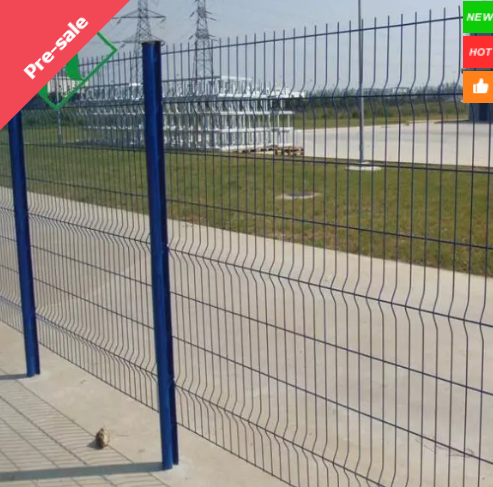
Ever wondered why construction sites are surrounded by fences?These barriers are crucial for safety and security. In this post, you'll learn about the purpose and importance of construction site fences.
Purpose of a Construction Site Fence
Construction site fences serve two main purposes: ensuring safety on construction sites and preventing unauthorized access.
Ensuring Safety on Construction Sites
Construction zones are busy places full of heavy machinery, open trenches, and building materials. These present risks not only to workers but also to anyone nearby. A sturdy fence creates a clear boundary, keeping workers safe by marking off hazardous areas. It helps prevent accidents by keeping pedestrians and vehicles away from dangerous spots. Fences also reduce distractions for workers, allowing them to focus on their tasks without unexpected interruptions.
For example, combining fencing with plastic barricades boosts visibility and protection. Bright-colored barricades catch attention, while fences add a physical barrier. This combination reduces collisions and injuries more effectively than barricades alone. Additionally, fences can include safety signs and warnings, reinforcing safe practices on site.
Preventing Unauthorized Access
Unauthorized entry to construction sites can lead to theft, vandalism, or injuries. Fences act as a deterrent, blocking access to those who shouldn’t be there. They help control who enters and exits through designated gates, making the site more secure. This is especially important in urban areas or near busy roads where curious passersby might wander in.
Because fences are typically tall and sturdy, they are difficult to climb or jump over. Some sites add extra security features like barbed wire or mesh coverings to increase protection. This limits liability and reduces the chance of accidents caused by trespassers.
In summary, construction site fences create a safer, more controlled environment. They protect workers by defining safe zones and keep unauthorized people out, reducing risks and potential losses.

Types of Construction Site Fences
Construction sites require different types of fences depending on the project's duration, security needs, and location. The two main categories are temporary fencing options and permanent fencing solutions.
Temporary Fencing Options
Temporary fences are designed for short-term use during the active phase of construction. They are easy to install and remove, offering flexibility as the project evolves. Common temporary fencing types include:
Chain-Link Fence Panels: These are metal mesh panels supported by steel frames. They provide visibility while maintaining security. Chain-link fences are durable and can be combined with privacy screens or mesh coverings to reduce dust and block views.
Plastic Barricades with Fence Panels: Plastic barricades are lightweight, portable, and brightly colored for high visibility. When combined with fence panels, they create a sturdy, clear boundary. This setup is ideal for sites needing quick installation and frequent relocation.
Welded Wire Mesh Fencing: This type offers a stronger barrier than chain-link, with smaller openings to prevent debris from escaping. It’s suitable for sites that require enhanced security and containment.
Netting and Mesh Screens: Often attached to chain-link or wire fences, these screens control dust, debris, and provide privacy. They can be customized with company logos or safety messages.
Temporary fencing usually ranges from 6 to 8 feet tall, balancing security and visibility. They can be anchored with driven posts or concrete blocks, allowing quick setup and repositioning.
Permanent Fencing Solutions
Permanent fences are installed for long-term use, often after construction completes or for ongoing site protection. These fences are more robust and built to withstand weather and vandalism over years. Common permanent fencing types include:
Metal Palisade Fencing: Made of vertical steel pales, this fence offers high security with a strong physical barrier. It is difficult to climb and ideal for protecting valuable equipment or sensitive areas.
Wood or Composite Privacy Fences: These fences provide visual screening and noise reduction. They are often used in residential or commercial developments to separate the construction area from the public.
Wrought Iron or Decorative Metal Fences: In some cases, permanent fences combine security with aesthetic appeal, especially in urban or high-profile projects.
Concrete Barriers and Jersey Walls: While not a fence per se, these barriers are permanent fixtures that provide site perimeter security and vehicle control.
Permanent fences require professional installation and may include features like gates, barbed wire, or electronic access control.
Tip: Choose temporary fencing for flexibility during construction and permanent fencing for long-term security and privacy after project completion. Matching fence type to project needs optimizes safety and cost-efficiency.
Benefits of Using Construction Fences
Construction fences play a vital role in creating a safer, more secure work environment. They help protect workers and equipment while keeping the site organized and controlled. Let's explore two key benefits: enhancing worker safety and protecting equipment and materials.
Enhancing Worker Safety
Construction sites are full of hazards—heavy machinery, uneven terrain, and ongoing work activities. Fences act as a physical barrier, keeping workers safe by clearly defining the work zone. This boundary helps prevent accidental entry into dangerous areas and reduces the chance of injuries.
Fences also minimize distractions. When workers know the site is secure, they can focus better on their tasks without worrying about unauthorized people wandering in. Additionally, fences often display safety signs and warnings, reminding everyone to follow protocols.
For example, combining fences with brightly colored barricades improves visibility and alerts workers and visitors to potential dangers. This combination lowers the risk of collisions and accidents more than using barricades alone.
Protecting Equipment and Materials
Construction sites often contain expensive tools, machinery, and building supplies. These assets are vulnerable to theft, vandalism, or damage if left unprotected. Fences act as a deterrent by restricting access to authorized personnel only.
A sturdy fence makes it difficult for thieves or vandals to enter the site. Some fences include extra security features like barbed wire or mesh coverings to enhance protection. This security reduces losses and prevents project delays caused by stolen or damaged equipment.
Moreover, fences help keep materials safe from accidental damage by separating storage areas from active work zones. This organization helps maintain site efficiency and reduces waste.
Construction Fences for Privacy and Noise Reduction
Construction fences do more than just keep people out. They also help improve site privacy and reduce noise pollution, which benefits workers, neighbors, and the overall project environment.
Improving Site Privacy
Construction sites often attract curious onlookers. While interest is natural, too many eyes can create distractions or even security risks. Privacy fencing helps block views into the work area, giving workers a more focused, less interrupted space.
Privacy fences usually use mesh screens or solid panels attached to the fence frame. These materials hide the site’s interior while still allowing airflow. Mesh screens come in various densities, so you can choose a level of visibility that fits your needs. For example, a 70% opaque mesh blocks most views but lets light through. Solid panels provide total privacy but may reduce ventilation.
Besides blocking views, privacy fencing helps control dust and debris. Mesh screens catch particles that might otherwise drift off-site, protecting nearby residents and businesses. This containment supports a cleaner, safer neighborhood and reduces complaints.
Privacy fencing also prevents theft by hiding valuable equipment and materials from plain sight. When potential thieves can’t see what’s inside, they’re less likely to target the site.
Reducing Noise Pollution
Construction noise can disrupt communities, especially in urban or residential areas. Fences designed for noise reduction help minimize this impact.
Noise-reducing fences use materials that absorb or block sound waves. Wood, composite panels, or specially designed acoustic barriers are common choices. These fences can be installed along the site perimeter or around particularly noisy equipment.
For example, a wood privacy fence acts as a sound barrier by reflecting and absorbing noise. Composite panels often include sound-dampening cores that reduce vibrations. Acoustic fence panels with foam or rubber layers provide even better noise control.
By lowering noise levels, these fences improve relations with neighbors and reduce the risk of noise complaints or fines. They also create a more comfortable environment for workers, helping them concentrate better.
Combining Privacy and Noise Control
Many construction sites benefit from fences that offer both privacy and noise reduction. Mesh screens with sound-absorbing backing or double-layer panels provide a balanced solution. These fences maintain airflow and visibility control while cutting down noise.
Choosing the right combination depends on your site’s location, project type, and community needs. Consulting with fence suppliers or acoustic experts can help you find the best fit.
Regulatory Compliance and Construction Fences
Construction site fences are not just about safety and security; they also play a crucial role in meeting legal requirements and influencing insurance and liability matters.
Legal Requirements for Construction Site Fencing
Many local, state, and national regulations mandate fencing around construction sites to protect the public and workers. These rules vary depending on the location, project type, and risk level but generally require:
Perimeter Fencing: A secure barrier around the entire site to prevent unauthorized access.
Minimum Height: Usually between 6 and 8 feet to deter climbing and entry.
Visibility and Signage: Clear safety signs must be displayed on the fence to warn of hazards and restricted zones.
Access Control: Gates must be lockable and monitored to ensure only authorized personnel enter.
Failing to comply can lead to fines, work stoppages, or legal action. Construction companies must stay updated on local codes and obtain necessary permits before erecting fences.
Impact on Insurance and Liability
Proper fencing directly affects insurance coverage and liability issues on construction sites. Insurance providers often require evidence of adequate fencing as a condition for coverage. A well-secured site:
Reduces Risk of Accidents: Prevents unauthorized people from entering hazardous areas, lowering injury claims.
Deters Theft and Vandalism: Helps protect expensive equipment and materials, reducing loss claims.
Demonstrates Due Diligence: Shows that the contractor takes safety seriously, which can lower insurance premiums.
If an accident occurs due to insufficient fencing or security, contractors may face increased liability, legal claims, and higher insurance costs. Maintaining proper fencing is an essential part of risk management.
Marketing Opportunities with Construction Fences
Construction fences are more than safety tools — they offer valuable marketing opportunities. By turning your fence into a branding platform, you can promote your company while securing the site.
Using Fences for Branding
Fences provide a large, visible surface ideal for displaying your company’s logo, name, or slogan. Custom-printed mesh screens or scrim panels attach easily to chain-link or wire fencing. These materials allow airflow while showcasing your brand prominently.
Branding your fence helps build recognition among pedestrians, drivers, and nearby residents. It sends a clear message that your company is professional, organized, and takes pride in its work. This positive impression can lead to future business opportunities.
For example, a construction company working in a busy urban area can benefit greatly from branded fencing. Thousands of people may pass the site daily, turning the fence into a moving billboard. Custom graphics or safety messages reinforce your commitment to quality and safety.
Advertising on Construction Fences
Beyond branding, construction fences can serve as advertising space for third parties. You can lease fence panels to local businesses or partners who want exposure in the community. This creates an additional revenue stream during the project.
Advertising banners can be printed on durable, weather-resistant materials that withstand outdoor conditions. Reflective elements or bright colors improve visibility day and night, maximizing impact.
Strategically placed ads near busy roads or pedestrian paths increase impressions. This makes your construction fence a valuable advertising asset, benefiting both your company and advertisers.
Additional Benefits of Fence Advertising
| Cost-Effective Marketing | Fence advertising is often more affordable than traditional billboards or digital ads. |
| Targeted Exposure | Ads reach a local audience directly affected by the construction project. |
| Enhanced Site Appearance | Colorful, well-designed graphics improve the visual appeal of the site, reducing negative perceptions. |
| Safety Messaging | You can combine promotional content with safety instructions, educating the public while marketing your brand. |
Conclusion
Construction site fences ensure safety and prevent unauthorized access, enhancing worker protection and securing materials. Selecting the right fence type is essential for balancing security, privacy, and noise reduction. Partnering with Kaiheng offers innovative fencing solutions tailored to your project's needs, ensuring compliance and maximizing site security. Their products provide unique benefits, including customizable options for branding and advertising, adding value beyond traditional fencing solutions.
FAQ
Q: What is a construction fence?
A: A construction fence is a barrier used around construction sites to ensure safety and prevent unauthorized access.
Q: How does a construction fence enhance worker safety?
A: A construction fence enhances worker safety by clearly defining work zones, preventing accidental entry into hazardous areas, and reducing distractions.
Q: Why is unauthorized access prevention important for construction sites?
A: Unauthorized access prevention is crucial to avoid theft, vandalism, and injuries, ensuring a secure construction site environment.
Q: What are the benefits of using construction fences?
A: Construction fences provide safety, protect equipment, enhance privacy, reduce noise, and offer branding opportunities.
Q: How do construction fences impact insurance and liability?
A: Proper construction fences reduce accident risks, deter theft, and demonstrate due diligence, positively affecting insurance coverage and liability.