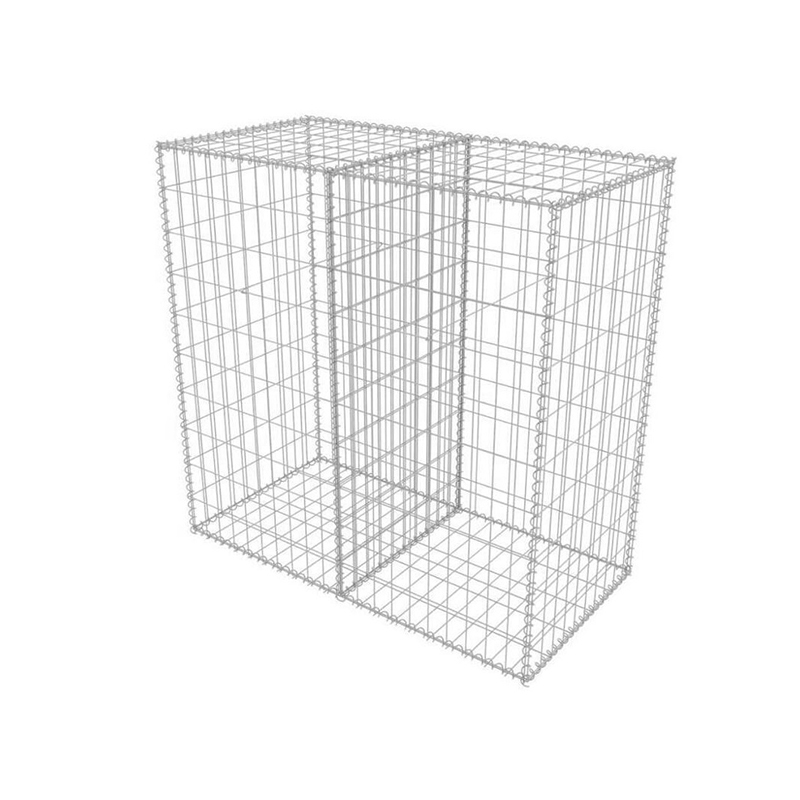
Erosion is a silent yet powerful force, shaping landscapes and threatening structures. How can we effectively combat this natural phenomenon? Gabion box stone cages and riprap are two popular solutions. In this article, you'll learn the differences between these methods and how to choose the right one for your project.
What is Riprap?
Definition and Construction Process
Riprap is a method used to control erosion by placing large, durable rocks along shorelines, riverbanks, or slopes. These rocks act as a natural barrier, absorbing and deflecting the energy of flowing water to prevent soil erosion. The construction process involves selecting appropriately sized stones, usually large enough to resist displacement by water forces, and arranging them over the soil surface that requires protection. The rocks are typically placed in layers, starting with larger stones at the bottom and smaller ones on top, ensuring stability and interlocking to form a solid protective layer.
Materials Used in Riprap
Riprap primarily uses natural stones such as granite, limestone, or other dense rocks. These materials are chosen for their hardness, durability, and resistance to weathering and water erosion. The stones are often angular to interlock better, creating a stable and enduring surface. Sometimes, broken concrete pieces or recycled materials can supplement natural stones to reduce costs while maintaining effectiveness.
Applications and Benefits of Riprap
Riprap is widely applied in areas exposed to moderate to high water velocities, such as riverbanks, coastal shorelines, drainage channels, and slopes. Its primary benefit is preventing soil erosion by reducing the speed and energy of flowing water. Riprap also protects structures like bridge abutments and culverts from scour damage. Additionally, its natural appearance helps it blend into the environment, making it a preferred choice for projects where aesthetics matter.
Key benefits include:
● Effective erosion control in high-flow water areas.
● Durability over long periods with minimal maintenance.
● Cost-effectiveness due to simple installation and readily available materials.
● Natural aesthetic that integrates well with landscapes.
Riprap's straightforward installation and robust nature make it a reliable solution for many erosion control challenges.
What is a Gabion Box Stone Cage?
Definition and Construction Process
A gabion box stone cage is a structure made from wire mesh containers filled with stones or other durable materials. These cages are usually rectangular and can be stacked or connected to form walls, slopes, or barriers designed to control erosion and stabilize terrain. The construction process starts by assembling the wire mesh cages on-site or off-site. Once the cages are ready, they are filled with stones, typically by hand or with machinery, ensuring the stones are tightly packed to maintain the cage’s shape and strength. After filling, the cages are secured by tying or welding the edges to keep the stones in place and to provide structural integrity.
Gabion cages are modular, meaning they can be easily adjusted in size or shape according to project requirements. Their flexibility allows them to conform to uneven or sloped surfaces, making them suitable for complex terrains. The permeable nature of gabions also helps in reducing hydrostatic pressure by allowing water to pass through, which enhances their durability.
Materials Used in Gabion Box Stone Cages
Gabion cages are typically made from galvanized steel wire mesh to resist corrosion and ensure longevity, especially in wet or harsh environments. The wire mesh is often PVC-coated for extra protection against rust and weathering. The stones used to fill gabion cages vary but usually include durable, angular rocks such as granite, limestone, or basalt. These stones are chosen for their hardness and resistance to weathering.
In some cases, recycled materials like broken concrete or rubble can be used as fill, which adds an eco-friendly aspect to gabion construction. The choice of fill material can also be decorative, allowing gabions to serve both functional and aesthetic purposes.
Applications and Benefits of Gabion Box Stone Cages
Gabion box stone cages are widely used in erosion control, retaining walls, slope stabilization, and channel linings. Their adaptability to different shapes and sizes makes them ideal for projects where terrain is uneven or where flexible design is necessary. Gabions are effective in areas with high water flow because their permeability prevents water buildup behind the structure, reducing the risk of failure.
Benefits of gabion cages include:
● Flexibility: Can conform to irregular terrain and expand or contract as needed.
● Durability: Resistant to corrosion and harsh environmental conditions.
● Drainage: Permeable structure allows water flow, reducing hydrostatic pressure.
● Environmental friendliness: Can incorporate recycled materials and promote vegetation growth.
● Aesthetic versatility: Fill materials can be chosen for visual appeal, blending with landscapes.
Gabions also provide habitat opportunities for plants and small animals, enhancing ecological value. Their ability to integrate with natural surroundings while offering strong structural support makes them a popular choice for both civil engineering and landscaping projects.
Tip: When installing gabion cages, use angular, durable stones and ensure tight packing to maximize stability and longevity of the structure.
Comparative Analysis: Riprap vs. Gabion Box Stone Cage
Key Differences in Construction and Materials
Riprap consists of large, loose stones placed directly on the soil surface. These stones are usually natural, dense rocks like granite or limestone, chosen for their durability and angular shapes to lock together. Riprap is a simple, rigid structure relying on the weight and size of the stones to resist erosion forces.
Gabion box stone cages differ significantly. They are wire mesh baskets, typically galvanized and sometimes PVC-coated, filled tightly with stones. The wire mesh holds the stones in place, creating a flexible, modular unit. Gabions use similar stone materials but add the structural support of the mesh, allowing them to form walls or slopes that adapt to the terrain.
Flexibility and Adaptability in Various Terrains
Gabions excel in flexibility. Their modular design lets them conform to uneven or sloped surfaces easily. They can be stacked or combined to create complex shapes, making them ideal for irregular terrains or where design customization is needed. Their permeability allows water to flow through, reducing pressure buildup behind the structure.
Riprap, while effective, is less adaptable. It forms a more rigid, horizontal layer that works best on relatively even slopes. Installing riprap on uneven or steep terrain can be challenging since the stones may shift or fail to interlock properly. Riprap does not allow water to pass through as freely, which can increase hydrostatic pressure.
Impact on Aesthetics and Environmental Considerations
Aesthetically, riprap offers a natural, rugged look that blends seamlessly into riverbanks or shorelines. Its irregular stone arrangement mimics natural rock formations, making it a popular choice where a natural appearance is desired.
Gabions provide more visual versatility. The wire cages can be filled with decorative stones or recycled materials, allowing for creative designs that suit landscaping or architectural themes. However, some may find the wire mesh industrial-looking, which might not fit every setting.
Environmentally, gabions have an edge. Their permeability encourages vegetation growth within and around the cages, promoting habitat creation and soil stabilization. They also reduce runoff velocity and filter debris. Riprap primarily acts as a physical barrier and provides limited ecological benefits beyond erosion control.
Installation Process and Considerations
Step-by-step Installation of Riprap
Installing riprap is generally straightforward. First, prepare the site by clearing vegetation and debris from the area needing protection. Next, grade the soil to create a stable, even surface or desired slope. Then, place a layer of geotextile fabric over the soil to prevent soil migration and improve stability—though this step is optional depending on soil conditions.
After preparation, begin placing the stones starting with the largest rocks at the bottom to form a solid base. Arrange the stones tightly so they interlock and resist movement. Continue layering stones, gradually using smaller rocks toward the surface to fill gaps. The thickness of the riprap layer depends on water velocity and erosion risk but typically ranges from 12 to 24 inches.
Finally, inspect the riprap for stability and ensure no large voids exist. In some cases, backfill behind the riprap with gravel or soil to enhance support.
Step-by-step Installation of Gabion Box Stone Cages
Gabion installation requires more steps but offers greater adaptability. First, clear and level the site where the gabion cages will be placed. Lay a compacted foundation, often with geotextile fabric to stabilize the soil and prevent erosion beneath the cages.
Next, assemble the wire mesh cages on-site or pre-assemble off-site. Position the empty cages according to the design plan, connecting adjacent cages with wire ties or clips to ensure structural integrity.
Fill the cages with durable, angular stones, packing them tightly to minimize movement. Use hand tools or machinery for filling, depending on project scale. Once full, securely close and tie the cage lids to keep stones contained.
For multi-layered or stacked gabions, repeat the process, ensuring proper alignment and connection between layers. Finally, inspect the gabions for gaps or weak points and adjust as needed.
Factors Affecting Installation Choice
Several factors influence whether to choose riprap or gabion cages for erosion control:
● Terrain: Gabions adapt better to uneven or steep slopes, while riprap suits more even surfaces.
● Project Complexity: Gabions allow for custom shapes and structures; riprap is simpler but less flexible.
● Water Flow: High-velocity water areas may favor riprap for its rigid mass; gabions handle water pressure well due to permeability.
● Time and Labor: Riprap installs faster and requires less labor; gabions need more detailed assembly.
● Environmental Considerations: Gabions promote drainage and vegetation growth; riprap offers limited ecological benefits.
● Aesthetic Preferences: Gabions can be designed with decorative stones; riprap provides a natural, rugged look.
● Budget: Riprap generally costs less upfront due to simpler installation; gabions may have higher initial costs but provide long-term durability benefits.
Choosing the right method depends on balancing these factors against project goals and site conditions.

Durability and Maintenance
Durability of Riprap
Riprap is known for its impressive durability. The large, dense stones resist weathering, water flow, and mechanical wear over long periods. Because riprap consists of loose stones, it can absorb and dissipate the energy of flowing water effectively, reducing erosion. The heavy weight of the stones prevents displacement in moderate to high water velocities. However, in extreme conditions like severe flooding or ice movement, some stones might shift or settle, requiring occasional repositioning.
Its rigid nature means riprap doesn't flex or adapt once installed, which can be a benefit in stable environments but a drawback on unstable or shifting ground. Overall, riprap structures can last decades with minimal degradation if properly installed and maintained.
Durability of Gabion Box Stone Cages
Gabion cages offer durability through a combination of their wire mesh framework and the stones inside. The galvanized or PVC-coated steel mesh resists corrosion, protecting the structure from rust and extending its lifespan, often beyond 50 years in favorable conditions. The wire mesh holds stones tightly, preventing displacement and maintaining structural integrity even on unstable or sloped terrains.
Gabions are flexible, allowing them to absorb ground movement and settle without cracking or breaking, unlike rigid concrete walls. This adaptability enhances their durability in dynamic environments. However, the wire mesh is vulnerable to damage from sharp objects or vandalism, which may require repair or replacement over time.
Maintenance Requirements for Both Methods
Riprap generally requires minimal maintenance. Periodic inspections should check for stone displacement, gaps, or erosion underneath. When stones shift, they may need repositioning or additional stone placement to restore protection. Vegetation growth between stones can stabilize the structure but may also require trimming to prevent root damage.
Gabion cages need more regular inspection, focusing on wire mesh condition. Signs of corrosion, cuts, or deformation should be addressed promptly to avoid structural failure. If stones settle or wash out, refilling or reinforcing cages might be necessary. Vegetation growth within gabions is encouraged for environmental benefits but should be managed to prevent excessive root pressure on the mesh.
Both methods benefit from proper initial installation, including stable foundations and, where applicable, geotextile fabric to prevent soil migration. Proactive maintenance extends lifespan and effectiveness, helping avoid costly repairs.
Cost Analysis
Cost Factors for Riprap
Riprap tends to have a lower initial cost compared to gabion box stone cages. The main expenses include purchasing large stones, transportation, and labor for placement. Since riprap installation is relatively straightforward, requiring less specialized equipment or skilled labor, it often results in reduced labor costs. Material costs vary depending on the type and source of stones; locally available granite or limestone can be more affordable, while specialized or decorative stones increase costs. Additionally, riprap requires minimal site preparation, which can lower overall expenses.
However, riprap may incur additional costs if the site demands geotextile fabric for soil stabilization or if heavy machinery is needed for stone placement. Maintenance costs are generally low but should be considered over the lifespan of the installation.
Cost Factors for Gabion Box Stone Cages
Gabion box stone cages usually involve higher upfront costs. These costs come from purchasing galvanized or PVC-coated wire mesh cages, durable fill stones, and the labor-intensive process of assembling cages and filling them. The modular design and flexibility add to installation complexity, often requiring skilled labor and specialized equipment, which can increase expenses.
Material costs for gabions also depend on the quality of wire mesh and type of stones used. Using recycled materials for fill can reduce costs and improve sustainability. Site preparation, including foundation work and geotextile fabric installation, adds to the overall budget. Despite higher initial costs, gabions offer long-term value due to their durability, adaptability, and lower maintenance needs.
Comparative Cost-Efficiency
When comparing riprap and gabion box stone cages, riprap is generally more cost-effective for projects with straightforward erosion control on stable, even terrain. Its simpler installation and lower material costs make it suitable for budget-conscious projects.
Gabions, while pricier initially, provide greater flexibility and long-term durability, which can translate to cost savings over time, especially in complex terrains or where environmental benefits are prioritized. They also reduce the risk of structural failure, potentially lowering repair costs.
Choosing between riprap and gabions should consider not only upfront expenses but also lifecycle costs, project complexity, and environmental goals.
Tip: Factor in both initial installation and long-term maintenance costs when choosing between riprap and gabion cages to ensure the most cost-effective erosion control solution for your project.
Environmental Impact and Sustainability
Environmental Benefits of Gabion Box Stone Cages
Gabion cages offer significant environmental advantages. Their wire mesh design allows water to flow through the structure, reducing hydrostatic pressure and preventing water buildup behind the barrier. This permeability encourages natural drainage, which helps maintain soil stability and lowers erosion risk.
Additionally, gabions provide spaces for vegetation to grow between the stones. Plants can take root inside and around the cages, enhancing soil strength through their root systems. This natural integration supports local ecosystems by creating habitats for small animals and insects. Using recycled materials as fill, such as broken concrete or rubble, further boosts the eco-friendliness of gabions by reducing waste and conserving natural resources.
Gabions’ flexibility enables them to adapt to terrain changes without cracking or breaking. This adaptability promotes long-term environmental harmony, especially in areas prone to soil movement or flooding.
Environmental Benefits of Riprap
Riprap also plays an important role in environmental protection by stabilizing soil and preventing erosion along shorelines, riverbanks, and slopes. The large stones absorb and dissipate energy from flowing water, reducing soil loss and protecting nearby habitats.
Riprap's natural stone appearance blends well with landscapes, minimizing visual disruption. However, unlike gabions, riprap is less permeable, which can lead to water runoff and increased hydrostatic pressure behind the stones. This limits its ability to support vegetation growth directly and offers fewer opportunities for habitat creation.
Despite this, riprap remains a valuable erosion control method in areas where strong, rigid protection is needed, particularly where water velocities are high.
Long-term Sustainability Considerations
When evaluating long-term sustainability, gabion cages often have an edge due to their adaptability and ecological benefits. Their permeable structure reduces water pressure and promotes vegetation, which naturally strengthens the soil over time. The use of recycled fill materials also aligns with sustainable construction practices.
Riprap, while durable and effective, offers less ecological integration. Its rigid design may require more frequent maintenance or repair in unstable soils or dynamic environments. However, riprap’s simplicity and longevity make it a sustainable choice in stable conditions, especially when sourced from local, natural stone to minimize environmental impact.
Choosing between gabions and riprap for sustainability depends on project goals, site conditions, and environmental priorities. Gabions suit projects aiming for ecological enhancement and flexibility, while riprap fits scenarios needing straightforward, robust erosion control.
Conclusion
Riprap and gabion stone differ in construction, flexibility, and environmental impact. Riprap uses loose stones for erosion control, while gabions use wire mesh cages filled with stones for adaptability. Choosing between them depends on terrain, environmental goals, and budget. Future trends in erosion control emphasize sustainability and flexibility. KaiHeng offers innovative solutions with these products, providing durable and adaptable erosion control methods that integrate well with natural landscapes, enhancing both functionality and aesthetics.
FAQ
Q: What is a Gabion box stone cage?
A: A Gabion box stone cage is a wire mesh container filled with stones, used for erosion control and terrain stabilization.
Q: How do Gabion box stone cages compare to riprap in flexibility?
A: Gabion box stone cages are more flexible, adapting to uneven terrains, while riprap forms a rigid structure suited for stable surfaces.
Q: Why choose Gabion box stone cages over riprap?
A: Gabion box stone cages offer better drainage, environmental integration, and adaptability, ideal for complex terrains.
Q: What are the cost factors for Gabion box stone cages?
A: Costs include wire mesh, durable stones, and labor for assembly and filling, with higher initial expenses but long-term durability.