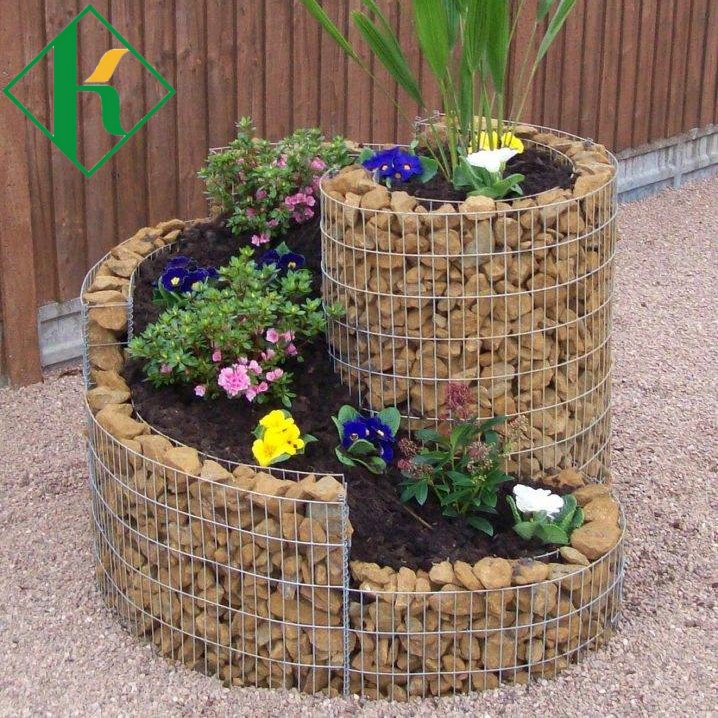
Have you ever wondered how gabion boxes and gabion mesh transform landscapes? These versatile structures are crucial in construction, offering both functionality and aesthetic appeal. In this post, you'll learn what gabion boxes and gabion mesh are, their importance in landscaping and construction, and an overview of gabion wall costs.
Understanding Gabion Boxes and Gabion Mesh
Definition and Components of Gabion Boxes
Gabion boxes are wire mesh containers filled with stones, rocks, or other hard materials. They act as modular units that, when stacked or placed side by side, form retaining walls, erosion control barriers, or decorative landscape features. Each box typically consists of:
● Wire mesh panels: The sides, bottom, and top of the gabion box.
● Lacing wire or spiral binders: Used to fasten panels together securely.
● Fill materials: Usually natural stones or recycled concrete placed inside the box.
The mesh holds the fill in place, allowing water to pass through while resisting pressure from soil or water behind the structure. This design makes gabions flexible and durable.
Types of Gabion Mesh: Galvanized, Coated, and Stainless Steel
Gabion mesh comes in various materials, each offering different durability and cost characteristics:
● Galvanized Steel Mesh: This is the most common type. It features a zinc coating that protects the steel from rust and corrosion. It offers a good balance between cost and longevity, suitable for many landscaping and construction projects.
● PVC-Coated Mesh: This mesh has a plastic coating over galvanized steel, providing extra resistance against corrosion and UV damage. It is ideal for harsh environments, such as coastal areas or places with high humidity.
● Stainless Steel Mesh: The most durable and corrosion-resistant option. Stainless steel gabions last the longest but come at a higher price. They’re often used in marine environments or projects requiring extended lifespan and minimal maintenance.
Applications of Gabion Mesh in Construction
Gabion mesh is versatile and used in various construction and landscaping applications, such as:
● Retaining Walls: Gabions stabilize slopes and prevent soil erosion. Their permeability allows water drainage, reducing hydrostatic pressure behind walls.
● Riverbank and Coastal Protection: They absorb and deflect wave energy, protecting shorelines and riverbanks from erosion.
● Road and Railway Embankments: Gabions reinforce embankments and prevent landslides.
● Architectural Features: Gabions serve as decorative walls, benches, or fences, blending natural aesthetics with structural function.
● Noise Barriers: Filled gabion walls can act as sound barriers along highways or industrial areas.
Their modular nature allows easy customization to fit specific project needs, making gabion mesh a cost-effective and sustainable building material.
Historical Significance of Gabions
Early Use of Gabions in Ancient Civilizations
Gabions have a long history dating back thousands of years. Around 7,000 years ago, early versions of gabions were used to protect the banks of the Nile River. These early gabions were made from woven materials like wicker and filled with stones or earth to prevent erosion and flooding. Their simple yet effective design helped ancient civilizations control water flow and stabilize riverbanks, showing gabions’ practical value from the start.
Military and Structural Applications Over the Centuries
Gabions played a key role in military engineering throughout history. Medieval armies used gabions as portable fortifications during sieges. Filled with earth or stones, they provided quick, sturdy protection against enemy attacks. Even Leonardo da Vinci used gabions in the foundation of St Mark’s Castle in Milan, demonstrating their structural importance in historic architecture.
Over centuries, gabions evolved from wicker baskets to metal mesh cages, improving durability and strength. Their ability to absorb impact and resist damage made them ideal for defensive walls and barriers. This military heritage laid the groundwork for gabions’ modern use in civil engineering.
Modern Uses in Civil Engineering and Landscaping
Today, gabions are widely used in civil engineering and landscaping projects. Their flexibility, strength, and permeability make them perfect for stabilizing slopes, riverbanks, and coastlines against erosion. Gabions also serve as retaining walls for roads, railways, and urban developments.
In landscaping, gabions add aesthetic appeal while providing practical benefits like drainage and erosion control. Designers use gabions to create decorative walls, benches, and noise barriers that blend naturally into the environment. Modern materials like galvanized or PVC-coated steel mesh extend gabions’ lifespan, allowing them to withstand harsh weather and environmental conditions.
Gabions have truly stood the test of time. From ancient riverbanks to contemporary urban spaces, they remain a reliable, sustainable solution for many structural and landscaping needs.
Tip: When planning a gabion project, consider the historical durability of materials to choose mesh types that best suit your environment and lifespan needs.
Cost Factors for Gabion Walls
Material Costs: Gabion Baskets and Fill Materials
The price of gabion walls largely depends on the materials used. Gabion baskets, typically made of galvanized steel mesh, cost between $1 to $6 per square foot. Higher-end options like stainless steel or thicker wire mesh can range from $8 to $15 per square foot. The mesh type influences durability and price, so choose based on your project’s environment.
Fill materials inside the baskets greatly affect total costs. Natural stones, river rocks, or recycled concrete are common fillers. Stone prices vary widely, typically $30 to $50 per ton. Using locally sourced or recycled materials can reduce expenses significantly. For large projects, sourcing fill onsite can be a major cost saver.
Labor and Installation Costs
Gabion walls are relatively easy to install. Labor costs depend on project size, complexity, and location. Skilled workers usually charge between $40 and $100 per hour. Since gabions don’t require deep foundations or complex masonry, labor expenses are often lower than for traditional retaining walls.
Installation involves assembling baskets, filling them with stone, and stacking them. Minimal excavation is needed, reducing site disruption and labor time. However, uneven terrain or large-scale projects may require extra labor for leveling and securing the structure.
Site Preparation and Permitting Expenses
Preparing the site is essential for a stable gabion wall. Leveling the ground and removing unstable soil ensures long-term durability. Simple site prep can cost a few hundred dollars, while extensive grading or excavation might run into thousands.
Permits and regulatory compliance vary by location. Smaller projects often have minimal fees, around $50 to $200. Larger or commercial gabion walls may require permits costing several hundred dollars. Always check local building codes to avoid fines or delays.

Advantages of Using Gabions
Sustainability and Environmental Benefits
Gabions offer significant environmental advantages. Their construction uses natural or recycled fill materials, reducing waste and demand for new resources. Compared to concrete retaining walls, gabions can cut CO2 emissions by up to 80%. This is because they require less energy-intensive materials and allow vegetation to grow between rocks, which helps capture carbon naturally. The permeability of gabions also improves water drainage, reducing runoff and erosion while promoting healthier soil and plant life around the structure.
Flexibility and Aesthetic Appeal
Gabions are highly adaptable. They can be built in various shapes and sizes to fit unique landscape needs. Their modular design lets you stack or arrange baskets easily, creating curves, terraces, or straight walls. You can choose different fill materials—river stones, recycled concrete, or even colored rocks—to match your style or environment. Over time, plants can grow through the gaps, softening the look and blending the wall into its surroundings. This natural aesthetic adds charm and prestige to any outdoor space, unlike plain concrete or brick walls.
Cost-Effectiveness and Scalability
Gabions provide great value for money. The wire mesh baskets are relatively inexpensive and easy to transport. Fill materials can often be sourced locally or recycled, lowering costs further. Unlike traditional retaining walls, gabions do not usually require deep foundations or complex excavation, saving on labor and equipment expenses. Installation is straightforward, which reduces project time and labor charges. Gabion walls scale well from small garden borders to large infrastructure projects, making them suitable for a wide range of budgets and applications.
Design and Customization Options
Choosing Fill Materials for Aesthetic Appeal
One of the best features of gabion walls is the ability to customize their look through fill materials. You can pick stones, rocks, or recycled concrete in various shapes, sizes, and colors. For example, river rocks offer smooth, rounded textures and natural colors, while crushed granite gives a sharper, more uniform look. Using local stones can help your wall blend with the environment, creating a harmonious visual effect.
Colored or polished stones add a decorative touch, perfect for garden walls or seating areas. Some designers even mix different materials in layers or patterns to create unique visual interest. The choice of fill material impacts not only aesthetics but also cost; natural or recycled materials usually cost less than specialty stones.
Integrating Gabion Walls with Landscaping
Gabion walls fit naturally into many landscaping styles. Their rugged, natural appearance complements gardens, parks, and urban green spaces. You can build terraced walls to create planting beds or use gabions as raised garden borders. Plants like ivy, moss, or succulents can grow in the gaps between stones, softening the wall’s look and encouraging biodiversity.
Gabions also work well as retaining walls for sloped gardens, helping prevent erosion while adding texture and structure. They can frame pathways or act as privacy screens when stacked higher. Combining gabions with wood, metal, or concrete elements can enhance design flexibility and meet specific landscaping goals.
Additional Features: Benches, Drainage, and More
Gabion walls are not just for retaining soil; they can serve multiple functions. For example, gabion benches provide sturdy, weather-resistant seating that blends into outdoor spaces. Filling gabion baskets with comfortable materials and topping them with wood or cushions creates stylish, durable furniture.
Proper drainage is crucial for gabion walls. Their porous nature allows water to flow through, reducing pressure buildup behind the wall. However, integrating drainage pipes or gravel layers can improve water management in wetter climates or larger structures.
Other customization options include adding lighting fixtures, incorporating decorative panels, or using gabions as bases for fences or signage. These features enhance functionality and aesthetics, making gabions a versatile choice for many projects.
Maintenance and Longevity of Gabion Walls
Low Maintenance Requirements
Gabion walls are known for being low maintenance. The wire mesh cages and stone fill require little upkeep once installed. Unlike traditional masonry walls, gabions don’t need painting or sealing. Their open structure allows water to drain freely, preventing damage from trapped moisture or frost. Occasionally, you might check for any displaced stones or minor mesh damage, but these issues are rare if the wall was properly installed. The durability of galvanized or coated mesh helps resist rust, further reducing maintenance needs.
Ensuring Structural Integrity Over Time
To keep gabion walls strong, it’s important to monitor their structural integrity periodically. Over time, the wire mesh can corrode, especially in harsh environments, so choosing the right mesh type initially is crucial. Galvanized mesh suits most uses, but PVC-coated or stainless steel mesh offers longer life in corrosive settings. Inspect the baskets for signs of sagging or bulging, which may indicate shifting fill or mesh failure. Proper site preparation and stable foundations help prevent settlement or movement that could weaken the wall. If you spot damage early, repairs can be made by tightening wires or replacing sections of mesh.
Replenishing Fill Materials as Needed
Sometimes, stones or rocks inside gabion baskets can settle or wash out, especially after heavy rain or flooding. Replenishing fill material keeps the wall stable and attractive. This process involves adding new stones to fill gaps or replace lost material. Using similar or matching stone maintains the wall’s appearance. For large projects, periodic refill might be planned as part of regular maintenance. Vegetation growing through the gabion can also help hold fill in place, reducing the need for frequent replenishment.
Conclusion
Gabion walls offer sustainability, flexibility, and cost-effectiveness, making them ideal for various projects. They use natural materials, reducing environmental impact and costs. Homeowners and landscapers should consider gabions for their durability and aesthetic appeal. Explore gabion wall options with KaiHeng, a company known for high-quality products that enhance landscapes. Their gabion solutions provide long-lasting value and adaptability, perfect for any outdoor space.
FAQ
Q: What is a gabion box and how is it used?
A: A gabion box is a wire mesh container filled with stones or rocks, used for retaining walls, erosion control, or decorative landscaping.
Q: How much does a gabion mesh cost?
A: Gabion mesh costs vary; galvanized steel mesh ranges from $1 to $6 per square foot, while stainless steel options can be $8 to $15 per square foot.
Q: Why choose gabion mesh for construction projects?
A: Gabion mesh offers durability, flexibility, and cost-effectiveness, making it ideal for retaining walls, embankments, and decorative features.
Q: What are the benefits of using gabion boxes?
A: Gabion boxes provide sustainability, environmental benefits, and cost savings, using natural or recycled materials and requiring minimal maintenance.