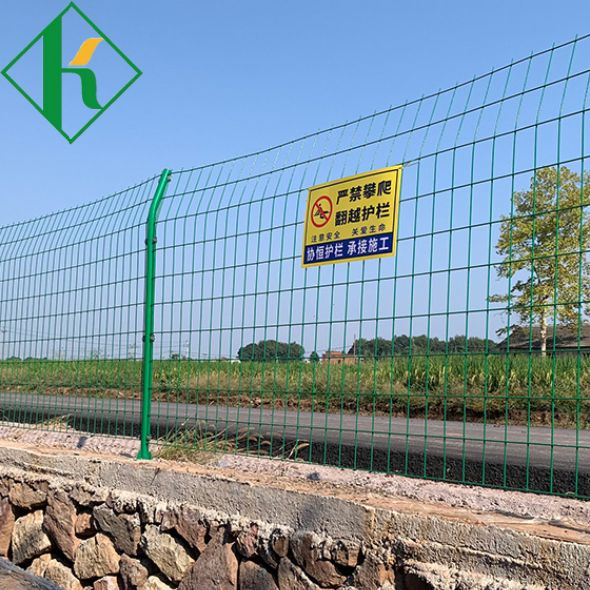
Have you ever wondered if you can make your own gabion box using a gabion net? Gabion boxes are versatile structures, perfect for landscaping and erosion control. In this article, you'll learn how to plan, gather materials, and build your own gabion box, offering both practical and aesthetic benefits.
Planning Your Gabion Box Project
Deciding the Size and Shape
When planning your gabion box project, start by figuring out the size and shape that best fit your needs. Gabion boxes come in various shapes—square, rectangular, or even cylindrical. Your choice depends on what you want to build. For example, a retaining wall might require long rectangular boxes, while a garden bench or planter could work well with smaller square shapes.
Think about the space where you’ll place the gabion. Measure the area carefully to ensure your gabion box fits perfectly. Also, consider the height and width you need to provide enough stability and function. Keep in mind that larger boxes will need sturdier materials and more fill, so balance size with practicality.
Selecting the Right Materials
Choosing the right materials is crucial to ensure your gabion box lasts long and performs well. The most common material for the frame is galvanized steel wire mesh. It resists rust and corrosion, making it ideal for outdoor use. Look for mesh with a thickness suitable for your project—thicker wire gives more strength but costs more.
For the mesh openings, sizes around 2 to 4 inches work well. They hold stones securely but allow water to drain, preventing pressure build-up inside. You can buy pre-made gabion mesh panels or rolls, which you’ll cut to size.
Next, pick the fill materials. Stones are the classic choice because they add weight and stability. Select stones large enough to stay inside the mesh but small enough to handle easily. You can use granite, limestone, or river rocks. Some people get creative by mixing stone colors or adding decorative materials like glass or recycled tiles for a unique look.
Remember, the quality of both the mesh and the fill affects the gabion’s durability. Poor materials may lead to rust, deformation, or stones spilling out over time. So invest in good-quality wire and frost-resistant stones to make your gabion box strong and long-lasting.
Gathering Tools and Materials
Essential Tools for Building Gabion Boxes
To build your own gabion box, gather a few key tools first. Wire cutters are a must for trimming mesh panels to your desired size. Pliers help bend and twist the wire edges, making assembly easier and safer. Gloves protect your hands from sharp wire ends and rough stones during construction and filling. You might also want a cordless drill if you plan to use screws or special fasteners to secure panels. A measuring tape and a marker will help ensure precise cuts and alignments.
Using the right tools makes the building process smoother and safer. For example, wire cutters designed for steel mesh will cut cleanly without fraying edges. Pliers with a strong grip reduce hand fatigue when twisting wire ties or spirals. If you don’t have specialized gabion tools, standard wire cutters and needle-nose pliers from a hardware store usually work well.
Choosing the Best Fill Materials
The fill material gives your gabion box its weight, stability, and appearance. Stones are the classic choice. Choose stones large enough not to slip through the mesh holes but manageable enough to place by hand. Common options include granite, limestone, basalt, or river rocks. Each type offers different textures and colors, so pick one that suits your design.
For durability, pick frost-resistant stones especially if your gabion will face freezing temperatures. This helps prevent cracking and degradation over time. Clean stones free of dirt and debris ensure better drainage and reduce the risk of mold or mildew buildup inside the gabion.
Besides natural stones, some DIYers add creative touches by mixing in decorative materials like recycled glass, tiles, or colored pebbles. These can make your gabion box a unique focal point in your garden or landscape.
When selecting fill, consider the mesh size. Larger mesh openings require bigger stones to prevent spills. Smaller mesh can hold smaller stones but may cost more and be heavier.
Tip: Use gloves and wire cutters designed for steel mesh to safely and efficiently assemble your gabion box, and always match stone size to mesh openings to prevent fill from escaping.
Building Your Gabion Box
Step-by-Step Assembly Guide
Building your own gabion box is easier than it sounds once you have the right materials and tools. Here’s a straightforward step-by-step guide to help you assemble a sturdy gabion box:
1. Prepare Your Workspace
Lay out all your mesh panels on a flat surface. Arrange them roughly in the shape of the gabion box—usually six panels: four sides, one bottom, and one top.
2. Cut the Mesh Panels to Size
Use wire cutters to trim the mesh panels to the dimensions you planned. Make sure edges are clean and straight. If you cut the mesh, smooth sharp ends with pliers or file to avoid injury.
3. Bend the Edges Slightly
Bend the mesh edges a little to help panels fit together snugly. This makes securing them easier and increases the box's stability.
4. Connect Panels Using Wire Ties or Spirals
Attach the panels by twisting wire ties or spirals around the edges where two panels meet. Start with the bottom panel and attach the four side panels to it one by one. Then connect the side panels to each other. Finally, attach the top panel but leave it loose until filling is done.
5. Add Internal Support if Needed
For larger gabions, add internal wire supports or cross braces. These prevent bulging when filled with heavy stones and keep the box's shape intact.
6. Double Check All Connections
Go over all wire ties or spirals and tighten them securely. Loose connections can cause the gabion to deform or come apart over time.
Tips for Ensuring Stability and Durability
● Choose Thick, Galvanized Wire MeshThicker wire resists bending and damage better. Galvanized coating prevents rust, extending the gabion’s life outdoors.
● Use Enough Wire TiesPlace ties every 6 to 8 inches along all edges. More ties mean stronger joints and less chance of gaps forming.
● Add Internal Bracing for Large BoxesInternal wires or rods running across the box add rigidity and stop the mesh from bowing when filled.
● Secure the Top Panel After FillingDon’t fasten the top panel until after filling. Once stones are in place, secure the lid tightly to prevent spillage.
● Wear Protective GearGloves and safety glasses protect you from sharp wire ends and flying debris during assembly.
● Work on a Stable, Flat SurfaceAssemble your gabion box on a level surface to ensure proper alignment and easier joining of panels.
Following these steps and tips will help you build a gabion box that’s both strong and durable. It will hold up well over time, even under heavy loads and outdoor conditions.
Filling Your Gabion Box
How to Choose and Arrange Stones
Choosing the right stones for your gabion box is key to both its stability and appearance. Pick stones large enough so they won't slip through the mesh holes. The stone size should match the mesh opening — for example, if your mesh has 2-inch gaps, use stones at least 2 inches wide. This keeps the fill secure and prevents spillage.
Opt for frost-resistant stones if your gabion faces cold weather. These stones resist cracking and last longer. Common choices include granite, limestone, basalt, and river rocks. You can pick stones that suit your garden’s style, whether smooth river rocks for a softer look or rugged granite for a natural, bold effect.
Arrange stones carefully to create a solid structure. Start by placing larger, more attractive stones along the gabion's visible sides. This "face" layer gives your gabion an appealing finish. Fill the inside with smaller, irregular stones to add weight and fill gaps tightly. Packing stones firmly reduces movement and prevents bulging.
Creative Filling Ideas for Aesthetic Appeal
Beyond plain stones, you can customize your gabion box to stand out. Try mixing different stone colors and textures for a layered effect. For instance, layer white limestone over darker granite for contrast.
Add decorative materials like colored glass pieces, polished pebbles, or recycled tiles. These add sparkle and unique patterns. Just ensure these materials are sturdy and weather-resistant.
You can also create patterns by arranging stones in horizontal bands or geometric shapes. This requires planning but produces stunning results. For example, alternating rows of smooth and rough stones can mimic stripes.
Another idea is to incorporate plants. Use gaps or a shallow gabion box to grow succulents or trailing plants. This softens the hard edges and blends your gabion into the garden naturally.

Positioning and Securing Your Gabion Box
Best Practices for Placement
Placing your gabion box correctly is key for its performance and longevity. Start by choosing a stable, level surface. Uneven ground can cause the box to tilt or bulge once filled. If the site is grassy or soft soil, consider digging out a shallow area and laying a gravel bed. This improves drainage and prevents the gabion from sinking or shifting over time.
Position the gabion near its final location before filling. Gabion boxes get heavy quickly once filled with stones, making moving them difficult afterward. If you must move a filled gabion, do so carefully to avoid damaging the wire mesh or spilling stones.
For projects like retaining walls, place gabions so their backs lean slightly into the slope for extra stability. For decorative uses or benches, ensure the box aligns neatly with surrounding structures or pathways.
If building multiple gabion boxes side by side, wire them together at contact points. This connection prevents gaps and stabilizes the entire structure. Use strong wire ties or spirals and space them evenly along adjoining edges.
Ensuring Structural Integrity
Securing your gabion box properly ensures it withstands pressure from fill materials and environmental forces. After placing the box, check that all wire ties or spirals are tight and secure. Loose connections can cause the mesh to deform or panels to separate under weight.
For larger gabions, add internal bracing wires or rods. These supports run horizontally or vertically inside the box, preventing bulging and maintaining shape. Attach braces firmly to the mesh using wire ties.
If your gabion sits in an area prone to heavy rain or frost, ensure drainage around the base. Water buildup behind or beneath the gabion can increase pressure, causing the wire to bend or rust faster. A gravel base helps water flow away.
In some cases, anchoring the gabion to the ground improves stability. Use metal stakes or rebar driven through the mesh into the soil. This is especially important for tall or freestanding gabions exposed to wind or uneven loads.
Finally, inspect your gabion after installation. Look for any sharp wire ends sticking out and bend them inward or cover with protective caps to prevent injury.
Maintaining Your Gabion Box
Regular Maintenance Tips
Keeping your gabion box in good shape requires some regular care. Start by inspecting the wire mesh every few months. Look for signs of rust, broken wires, or loose connections. Early detection helps avoid bigger problems later. Tighten any loose wire ties or spirals to keep the panels firmly connected.
Remove any debris like leaves, dirt, or plant growth caught inside or around the gabion. These can trap moisture and speed up corrosion. Use a stiff brush or water hose to clean the mesh and stones gently. Avoid harsh chemicals that might damage the wire coating.
Check the stones for any movement or settling. If you notice gaps or bulges, add more fill or rearrange stones to maintain stability. For gabions near plants, trim roots or vines that might push against the mesh.
If you live in an area with frost or heavy rain, pay extra attention during seasonal changes. Freeze-thaw cycles can cause stones to shift and wire to weaken. After winter, inspect the gabion carefully and fix any damage promptly.
Handling Wear and Weather Effects
Gabion boxes are designed to withstand outdoor elements, but weather still affects them over time. The galvanized coating on wire mesh slows rust but doesn't stop it completely. Expect some surface rust after several years, especially in wet or coastal environments.
To extend your gabion’s life, consider applying a rust-resistant paint or zinc spray on exposed wire parts. This adds an extra layer of protection. Also, keep drainage good around the gabion. Standing water increases corrosion risk and can cause the ground beneath to soften, leading to instability.
Strong winds or heavy loads can strain the gabion. If you notice the mesh bending or bulging, reinforce the structure by adding internal bracing wires or more frequent wire ties. For tall gabions, anchoring them to the ground with stakes or rebar helps resist shifting.
If any wire sections break or panels separate, repair them quickly. Use replacement wire ties or spirals and pliers to reconnect edges. For larger damage, consider replacing the affected mesh panel.
Creative Uses for Gabion Boxes
Landscaping and Erosion Control
Gabion boxes are excellent for landscaping and erosion control. Their sturdy wire mesh filled with stones creates strong barriers that hold soil in place. You can build retaining walls on slopes to stop soil from washing away during heavy rain. Gabions also stabilize riverbanks and prevent erosion along shorelines.
Using gabions in landscaping adds both function and style. They blend naturally with outdoor environments, especially when filled with local stones. Gabions allow water to drain through easily, reducing pressure behind walls and preventing damage. Because they’re modular, you can stack or arrange them in various shapes to fit your landscape’s contours.
For erosion control, gabions work well on steep hillsides or areas prone to landslides. They absorb and slow water flow, protecting plants and structures downhill. Plus, they require minimal maintenance once installed, making them cost-effective long-term solutions.
Decorative Features and Functional Uses
Gabion boxes aren't just practical—they're decorative too. You can use them to create eye-catching garden features like benches, planters, or outdoor tables. Filling gabions with colorful stones, glass, or tiles adds visual interest and personal style.
Gabions can serve as privacy screens or fences, offering a rustic look that complements natural surroundings. Adding wooden planks on top or along sides creates comfortable seating or table surfaces. You might even build fire pits bordered by gabions for a cozy outdoor gathering spot.
In commercial or public spaces, gabions make durable noise barriers or windbreaks. They’re also popular in urban landscaping, where their rugged texture contrasts nicely with modern architecture. Because gabions can be custom-sized, they fit many design needs, from small garden accents to large structural walls.
The versatility of gabion boxes means you can mix creativity with function. Use them to frame pathways, edge flower beds, or build raised garden beds. Their openness supports plant growth if you include climbing vines or succulents, softening the stone’s hard edges.
Conclusion
Gabion boxes offer durability, stability, and aesthetic appeal, making them ideal for landscaping and erosion control. DIY enthusiasts can easily create their own gabion boxes by selecting the right materials and following simple assembly steps. KaiHeng provides high-quality gabion box materials, ensuring long-lasting performance and unique design possibilities.
FAQ
Q: What is a Gabion box?
A: A Gabion box is a wire mesh container filled with stones or other materials, used in landscaping, erosion control, and decorative features.
Q: How do I make my own Gabion net?
A: To make your own Gabion net, cut galvanized steel wire mesh to size, assemble panels with wire ties, and fill with chosen stones or materials.
Q: Why use a Gabion box for landscaping?
A: Gabion boxes offer durability, natural drainage, and aesthetic appeal, making them ideal for retaining walls, benches, and garden features.
Q: What materials are best for filling a Gabion box?
A: Use frost-resistant stones like granite or river rocks, ensuring they match the mesh size to prevent spillage and enhance stability.