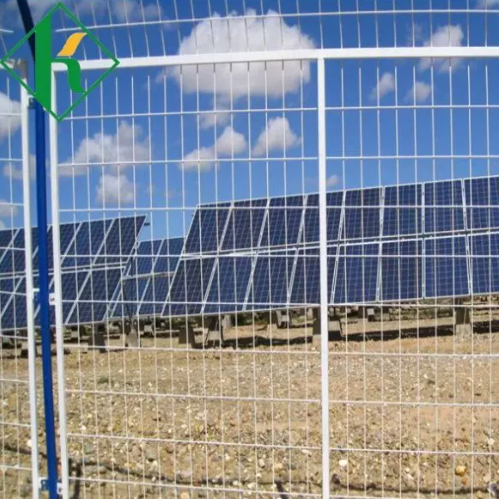
Choosing the right farm fence is crucial for protecting livestock and crops. But what's the cheapest option? In this post, you'll learn about affordable fencing materials and how to select the best one for your farm's needs.
Understanding Farm Fencing Needs
Why a Good Farm Fence Matters
A good fence on your farm does more than mark boundaries. It keeps your livestock safe and secure, preventing them from wandering off or getting into trouble. It also protects your crops from animals and unwanted visitors. A sturdy fence can keep predators away, reducing risks to your animals. Plus, it helps avoid disputes with neighbors by clearly showing where your land ends. All these reasons make choosing the right fence essential for a well-managed farm.
Factors to Consider When Choosing a Farm Fence
When picking a fence, several factors come into play:
Type of livestock: Different animals need different fences. For example, goats require tighter mesh to prevent escapes, while cattle need stronger, taller fences.
Terrain and climate: Rocky or uneven land might need flexible fencing options. In wet or humid areas, materials that resist rust and rot are better.
Durability and maintenance: Some fences last longer but need more upkeep. Others might be cheaper upfront but require frequent repairs.
Budget: Balance cost with the fence’s lifespan and effectiveness.
Safety: The fence should protect animals without causing injuries.
Ease of installation: Some fences are DIY-friendly; others need professional help.
Aesthetic appeal: A fence can also add charm to your farm’s look.
Types of Livestock and Their Fencing Requirements
Each type of livestock has unique fencing needs:
Cattle: Prefer tall, strong fences like barbed wire or high-tensile wire. Adding electric wires can improve security.
Horses: Need highly visible, safe fences such as wooden rails or electric poly tape to avoid injury.
Goats and sheep: Require woven wire fences with small openings to prevent escapes.
Pigs: Benefit from welded wire fences that resist tearing.
Poultry: Need lightweight mesh fences like chicken wire to keep them contained and predators out.
Predators: Electric fences or woven wire topped with barbed wire help keep them at bay.
Choosing the right fence means matching its strength, height, and design to your animals’ behavior. For example, horses are prone to running into fences, so smooth, visible fences work best. Goats are curious and agile, so a tight mesh is necessary. Understanding these needs helps you pick a fence that keeps animals safe and your farm running smoothly.
Tip: Match fence mesh size and height precisely to your livestock type to prevent escapes and injuries, ensuring effective containment and safety.
Budget-Friendly Farm Fence Options
Overview of Affordable Fencing Materials
Choosing an affordable fence for your farm doesn't mean sacrificing quality or durability. Several materials offer cost-effective solutions, each suited to different livestock and farm needs. Common budget-friendly options include:
Woven Wire: Strong and versatile, it works well for goats, sheep, and poultry. Its woven pattern keeps small animals contained and predators out.
Electric Fencing: Uses a mild shock to deter animals. Great for large areas and flexible setups.
Barbed Wire: A classic choice for cattle and large livestock. It's inexpensive but requires careful handling.
Metal T-posts: Often paired with wire fencing, these posts are affordable and easy to install.
Recycled Materials: Using reclaimed wood, pallets, or scrap metal can drastically cut costs.
Each material has strengths and weaknesses regarding durability, maintenance, and animal safety. Selecting the right one depends on your farm’s specific needs.
Comparing Costs and Benefits of Different Fences
| Fence Type | Approximate Cost per Foot | Durability | Maintenance | Best For |
| Woven Wire | $1.50 - $3.00 | High | Moderate | Small animals, goats, sheep |
| Electric Fence | $0.50 - $1.50 | Moderate | Regular checks | Large areas, predator control |
| Barbed Wire | $0.50 - $1.00 | Moderate | Low | Cattle, large livestock |
| Metal T-posts | $0.75 - $1.50 | Moderate | Low | Support for wire fences |
| Recycled Materials | Varies (often free) | Variable | Variable | Budget-conscious projects |
Costs vary by region and material quality; installation costs may add to total expenses.
Woven Wire: Offers strong containment but costs more upfront. It lasts long if galvanized and maintained.
Electric Fencing: Lower initial cost, easy to move or adjust. Requires regular inspections to avoid shorts or damage.
Barbed Wire: Cheapest option for large cattle areas but risks injury to animals. Low maintenance but less visually appealing.
Recycled Materials: Cheapest upfront but may require more labor and repairs over time.
Choosing the Right Fence for Your Budget
To pick a fence that fits your budget:
Identify your primary goal: Containment, predator deterrence, or boundary marking.
Match fence type to livestock: Smaller animals need tighter mesh; larger animals require stronger barriers.
Consider installation and maintenance costs: DIY installation saves money; professional help adds expense but ensures safety.
Think long-term: A cheaper fence may lead to higher repair costs. Durable materials save money over years.
Combine materials: For example, use woven wire with metal T-posts or add electric wires to barbed wire fences for extra security.
By balancing initial costs with durability and maintenance, you can find a fence that protects your farm without breaking the bank.
Woven Wire Fences: Durable and Versatile
Benefits of Woven Wire Fences
Woven wire fences offer a strong, flexible barrier for many livestock types. The wires crisscross in a grid pattern, creating a sturdy mesh that resists animals pushing through or squeezing out. This makes them ideal for goats, sheep, and poultry, which need smaller openings to stay contained. Larger livestock like cattle can also benefit from woven wire with wider spacing.
One key advantage is durability. When galvanized, woven wire resists rust and corrosion, extending the fence’s lifespan. It also stands up well to weather and animal pressure. Unlike barbed wire, woven wire is safer for animals, reducing injury risk because it lacks sharp edges.
Versatility is another plus. You can choose from various mesh sizes and fence heights to match your livestock’s needs. Adding a top strand of barbed wire or an electric wire can enhance security without compromising the fence’s core strength.
Installation and Maintenance Tips
Installing woven wire fences requires sturdy posts to support the fence weight. Treated wooden posts, such as pressure-treated pine, work well and last longer, especially in damp or snowy regions. Space posts about 8 to 12 feet apart to keep the wire taut and prevent sagging.
Stretch the wire tightly during installation to avoid loose sections where animals might push through. Use proper staples or wire clips to secure the mesh to posts firmly.
Maintenance involves regular inspections for rust spots or breaks. Touch up rust-prone areas with protective coatings and replace any damaged wire promptly. Clearing vegetation from the fence line helps prevent moisture buildup and wire damage.
In snowy areas, check the fence after heavy snowfall to ensure the weight hasn’t pulled the wire down. Tightening the wire each season extends fence life.
Best Practices for Using Woven Wire Fences
Choose the right mesh size for your animals. Smaller mesh openings keep goats and poultry safely enclosed, while larger openings suit cattle or horses better. Avoid mesh sizes that allow animals to stick heads or limbs through, reducing injury risk.
Combine woven wire with other fencing types for enhanced protection. For example, a top strand of barbed wire deters climbing or leaning, while electric wires add a psychological barrier.
Position gates and access points thoughtfully for easy livestock movement and fence maintenance. Gates should be sturdy and wide enough for equipment or animals to pass through without stress.
Train livestock to respect the fence by introducing electric wires or visual markers if needed. This reduces fence damage from animals testing boundaries.
Overall, woven wire fences balance cost, durability, and safety well. They’re a smart choice for many farm fencing needs, especially when you want a long-lasting, versatile barrier.

Electric Fences: Cost-Effective for Large Areas
Advantages of Electric Fences
Electric fences offer a highly efficient way to secure large farm areas without the high material costs of traditional fencing. They use a mild electric shock to deter animals from crossing boundaries, making them effective for both livestock containment and predator control. This type of fence requires less physical material, which lowers upfront costs and speeds up installation.
Electric fences are flexible. You can set them up temporarily or permanently and adjust their layout as your farm needs change. They are lightweight and easy to move, which is ideal for rotational grazing or changing pasture boundaries. Plus, electric fences don’t rot, rust, or decay like wood or metal, reducing long-term maintenance.
Another advantage is their psychological effect on animals. Livestock quickly learn to avoid the fence after receiving a mild shock, so they rarely try to break through. This reduces fence damage and repair costs.
Installation Considerations and Safety Tips
Installing electric fences requires careful planning. First, select a good energizer (also called a charger) that matches your fence length and livestock type. Low-impedance energizers deliver consistent pulses and are safer for animals.
Use insulated posts or plastic insulators on wooden or metal posts to prevent short circuits. Proper grounding is critical; a good grounding system ensures the fence delivers a shock without electrical leaks. Place grounding rods in moist soil for best results.
Avoid running electric wires close to trees, tall grass, or metal objects that could cause shorts. Clear vegetation along the fence line regularly to maintain performance.
Safety is paramount. Always post warning signs around electric fences to alert people. Set the voltage at a level that deters animals without harming them. Never use electric fences where children or unaware visitors might come into contact.
Maintaining Electric Fences for Longevity
Electric fences need regular checks to work well. Inspect wires for breaks or sagging and tighten them as needed. Check insulators for cracks or damage and replace faulty parts promptly.
Test the fence voltage often using a fence tester to ensure it’s delivering the right pulse. Clean the energizer and keep it dry and protected from weather.
Trim vegetation along the fence line to prevent shorts and power loss. After storms or heavy winds, inspect for fallen branches or debris touching the fence.
Keep the grounding system in good shape by checking rods for rust or corrosion and replacing them if necessary.
With proper maintenance, electric fences can last many years and provide reliable, cost-effective containment for large farm areas.
Barbed Wire Fences: A Classic Choice
Pros and Cons of Barbed Wire Fencing
Barbed wire fences have been a staple on farms for over a century. They’re known for their low cost and effectiveness, especially for containing large, calm livestock like cattle. The sharp barbs discourage animals from pushing against or trying to cross the fence, making it a strong visual and physical barrier.
Pros:
Cost-Effective: Barbed wire is one of the cheapest fencing materials, both in terms of materials and installation.
Effective Deterrent: The barbs discourage livestock and predators from crossing, providing good security.
Low Maintenance: Once installed, barbed wire fences require minimal upkeep.
Durability: Galvanized barbed wire resists rust and withstands harsh weather conditions well.
Cons:
Safety Risks: Barbed wire can injure animals, especially more active or curious ones like horses and goats. These injuries can be serious.
Installation Difficulty: Handling barbed wire is tricky and can cause cuts or scrapes. Professional installation is often recommended.
Limited Aesthetic Appeal: Barbed wire fences are utilitarian and don’t add much visual charm to a farm.
Legal Restrictions: Some areas restrict or regulate barbed wire fencing due to safety concerns.
Installation Challenges and Solutions
Installing barbed wire requires care and the right tools. The wire is sharp and can easily cause injury during handling. Proper protective gear such as gloves, long sleeves, and eye protection is crucial.
Posts must be sturdy and well-spaced, typically 8 to 12 feet apart, to keep the wire tight. Wooden posts or metal T-posts work well. Start by attaching the wire to an end post, then unroll it carefully while keeping tension to prevent sagging.
Using a wire stretcher tool helps maintain tightness, which is essential for fence effectiveness and longevity. Adding fence stays or braces keeps the strands aligned and prevents animals from pushing through.
If you’re new to barbed wire installation, hiring a professional can save time and reduce injury risk. They have the experience and equipment to do the job safely and correctly.
Safety Considerations for Livestock
Barbed wire’s sharp points pose a risk of cuts and scrapes. Calm animals like cattle generally avoid the fence once they learn it’s painful to touch. However, horses, goats, and other active or curious animals may accidentally get caught, leading to injuries or even euthanasia in severe cases.
To reduce risks:
Use barbed wire only for livestock suited to it, mainly cattle.
Keep fences well-maintained to avoid loose wires or sharp ends.
Combine barbed wire with safer fencing types, like woven wire, in areas with more active animals.
Consider adding a smooth wire strand on top or bottom to prevent animals from pushing under or over.
Regularly inspect fences for damage and repair promptly.
In some cases, electric fencing combined with barbed wire can improve safety and effectiveness by providing a psychological barrier without additional physical harm.
Using Recycled Materials for Fencing
Advantages of Using Recycled Materials
Using recycled materials for farm fencing can be a smart way to save money while helping the environment. Old wood, pallets, scrap metal, and even used wire can often be found at little or no cost. This reduces the need to buy new materials, cutting overall expenses significantly.
Recycled materials also offer unique character and charm to your farm fence. They can add a rustic, handmade look that blends well with natural surroundings. Plus, repurposing materials reduces waste, making your farm more eco-friendly.
While recycled materials might not always match the strength or uniformity of new fencing, selecting sturdy pieces and combining them properly can create a durable barrier. This approach works well for smaller animals or boundary marking where extreme strength isn’t critical.
Creative Ideas for Recycled Fence Designs
Recycled fencing lets you get creative. Here are some ideas:
Pallet Fencing: Stack and secure wooden pallets vertically or horizontally to form a solid fence. Pallets are widely available and easy to modify.
Scrap Metal Panels: Use old metal sheets or mesh panels welded or bolted together for a tough, long-lasting fence.
Mixed Material Fence: Combine wood, metal, and wire scraps to build a patchwork fence that’s both functional and visually interesting.
Reclaimed Wood Rails: Salvage wood beams or rails from old barns or fences and reassemble them for a classic post-and-rail style fence.
Upcycled Wire Mesh: Use leftover wire mesh or chicken wire to create enclosures for small animals or garden protection.
These designs can be tailored to your farm’s needs and the materials you have on hand. Adding a fresh coat of paint or sealant can improve durability and appearance.
Cost-Saving Tips for Sourcing Materials
To get the most from recycled materials, consider these tips:
Check Local Listings: Websites like Craigslist, Facebook Marketplace, or Freecycle often have free or cheap pallets, wood, and metal.
Visit Construction Sites: Ask for scrap wood or metal leftover from building projects; many contractors are happy to give away or sell at low cost.
Contact Demolition Companies: They may have reclaimed materials from old buildings that suit fencing.
Network with Neighbors or Farmers: Sometimes neighbors have old fencing materials they no longer need.
Inspect Materials Carefully: Ensure wood isn’t rotten, metal isn’t severely rusted, and wire mesh is intact to avoid frequent repairs.
Properly sourcing and preparing recycled materials can reduce your fencing costs dramatically while still providing effective containment.
Conclusion
Affordable farm fence options include woven wire, electric fencing, barbed wire, metal T-posts, and recycled materials. Each offers unique benefits for various livestock needs. Choosing the right fence involves balancing cost with durability and maintenance. Long-term benefits, such as reduced repair costs and enhanced safety, are crucial when selecting a fence. Consider the value offered by Kaiheng products, which provide durable, versatile fencing solutions tailored to your farm's specific requirements.
FAQ
Q: What is a farm fence and why is it important?
A: A farm fence is a barrier used to mark boundaries, contain livestock, and protect crops. It is crucial for keeping animals safe, deterring predators, and avoiding disputes with neighbors.
Q: How can I choose the right farm fence for my livestock?
A: Selecting the right farm fence depends on livestock type, terrain, climate, budget, and safety needs. Match fence strength and design to animal behavior for effective containment.
Q: What are the cheapest farm fence options?
A: Barbed wire and electric fences are among the cheapest options, offering cost-effective solutions for cattle containment and large area coverage.
Q: Why might I consider using recycled materials for a farm fence?
A: Using recycled materials can significantly reduce costs while adding unique character to your farm. It’s an eco-friendly choice that repurposes old wood, pallets, and metal.