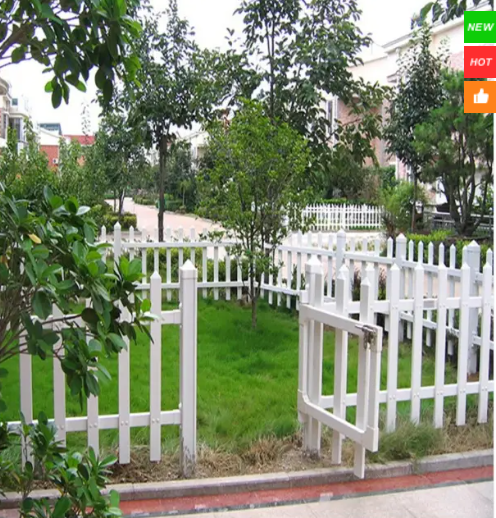
Imagine a garden without boundaries, vulnerable to wildlife and lacking privacy. A garden fence transforms this space, offering protection and aesthetic appeal. In this post, you'll learn how the right fence enhances security, supports plant growth, and adds beauty to your garden.
Understanding the Purpose of a Garden Fence
A garden fence serves several important roles beyond just marking boundaries. Knowing these purposes helps you choose the fence that fits your garden’s needs best.
Security and Protection from Animals
One of the main reasons to install a garden fence is to keep animals out. Deer, rabbits, squirrels, and other wildlife can quickly damage plants and vegetables. A sturdy fence acts as a barrier, preventing these critters from entering and feasting on your hard work. For example, a tall mesh fence can deter deer, while chicken wire or hardware cloth works well against smaller animals like rabbits and groundhogs. Burying the fence a few inches underground also stops burrowing pests.
Privacy and Aesthetic Enhancement
Besides protection, fences provide privacy, creating a peaceful garden retreat. Solid wooden or vinyl fences block views from neighbors and passersby, giving you a quiet space to enjoy. Fences also add to your garden’s style. You can pick from rustic wood, elegant metal, or natural bamboo to complement your landscape design. Decorative elements like lattice tops or painted finishes can enhance curb appeal while serving a functional purpose.
Supporting Plant Growth
Fences aren’t just barriers—they can help your plants thrive. Many gardeners use fences as trellises for climbing plants like peas, beans, or flowering vines. This vertical growth saves space and adds greenery to the fence itself. Wire fences or wooden slats offer excellent support for these plants. Plus, a fence can protect delicate plants from strong winds, creating a microclimate that encourages healthy growth.
By understanding these core purposes—security, privacy, and plant support—you can select a garden fence that not only protects but also beautifies and nurtures your garden space.
Tip: When choosing a fence, consider local wildlife and plant types to ensure your fence provides effective protection and supports your garden’s unique needs.
Types of Garden Fences
Choosing the right type of fence for your garden depends on your needs, style preferences, and local conditions. Here’s a detailed look at some popular garden fence materials:
Wooden Garden Fences
Wood fences offer a warm, natural look that fits many garden styles, from rustic to classic. Common woods include cedar, redwood, and pressure-treated pine. They provide good privacy and can be customized easily with paint or stain. However, wood needs regular maintenance to prevent rot, warping, and insect damage. Also, some wood treatments may leach chemicals, so avoid treated wood near edible plants.
Vinyl Garden Fences
Vinyl fences are low-maintenance and weather-resistant. They don’t rot, fade, or attract pests. Vinyl comes in various styles and colors, often mimicking wood’s appearance but without the upkeep. While the initial cost is higher, vinyl lasts longer and saves money on repairs and maintenance. One downside is that solid vinyl fences can block airflow and sunlight, which may affect certain plants.
Metal Garden Fences
Metal fences, including wrought iron, aluminum, and steel, offer strength and durability. Wrought iron provides a classic, ornate look, while aluminum is lightweight and corrosion-resistant. Steel is strong but may require rust-proof coatings. Metal fences usually need less maintenance than wood but may not provide as much privacy unless combined with other materials. They are excellent for security and can be paired with wire mesh to keep animals out.
Composite Garden Fences
Composite fences blend wood fibers and plastic, creating a material that looks like wood but resists rot, warping, and insects. They require little maintenance and often use recycled materials, making them eco-friendly. Composite fences are durable and stable but tend to be more expensive upfront. Their uniform appearance suits modern and traditional gardens alike.
Bamboo Garden Fences
Bamboo offers a unique, natural look that adds an eco-friendly touch to gardens. It’s lightweight, easy to install, and sustainable. Bamboo fences work well as decorative screens or privacy barriers. However, bamboo can be vulnerable to moisture and cold, so it’s best for mild climates. Regular sealing can prolong its life, but it generally doesn’t last as long as other materials.

Choosing the Right Fence for Your Garden
Selecting the ideal fence for your garden involves more than just picking a style. You need to think about several key factors to ensure your fence fits your garden’s needs perfectly.
Factors to Consider: Budget, Climate, and Soil Conditions
Budget often guides your choices. Wood fences usually cost less upfront but require regular upkeep like staining or sealing. Vinyl and metal fences cost more initially but save money over time due to their durability and low maintenance.
Climate plays a big role too. In wet or humid areas, materials like galvanized steel or vinyl resist rust and decay better than untreated wood. If your garden faces strong winds, sturdy posts made of metal or pressure-treated wood help keep your fence stable.
Soil conditions affect fence longevity. Soft, shifting soil may need deeper posts or concrete footings to prevent leaning. Rocky or clay-heavy soil can make installation tricky, so choose materials and post types that suit your ground.
Matching the Fence to Your Garden's Design
Your fence should complement your garden’s style. For a classic look, wooden picket fences add charm and warmth. Modern gardens might benefit from sleek metal or composite fences that offer clean lines.
Colors matter too. White fences brighten shady gardens, while natural wood tones blend well with green plants. Bamboo fences add an eco-friendly, tropical vibe to outdoor spaces.
Consider decorative touches like lattice tops or trellises. These features support climbing plants and add visual interest, making your fence part of the garden’s beauty.
Selecting the Appropriate Fence Height
Fence height depends on your goals. For privacy, 6-foot fences block neighbors’ views and create a quiet retreat. To keep out deer or larger wildlife, fences need to be at least 7 feet tall.
If you want to deter smaller animals like rabbits, a shorter fence around 3 to 4 feet high with small mesh works well. For purely decorative fences, 2 to 3 feet is often enough.
Also, think about ease of access. Taller fences may require gates or special latches for convenience.
Installation and Maintenance of Garden Fences
Installing and maintaining your garden fence properly ensures it lasts long and performs well. You can choose to install the fence yourself or hire a professional, and understanding maintenance needs helps protect your investment.
DIY Installation vs. Hiring a Professional
For simple fence types like wooden pickets, wire mesh, or bamboo panels, DIY installation is often feasible. With basic tools and some patience, you can set posts, attach panels, and secure the fence. This route saves money and gives you control over the project timeline.
However, complex fences—such as wrought iron or heavy metal panels—may require professional expertise. Professionals ensure posts are set deeply and straight, panels are level, and the structure is stable. They can handle permits and local codes, reducing risk of mistakes or costly repairs.
If you’re unsure about your skills, hiring a pro can be a smart choice. It often pays off in durability and peace of mind.
Long-Term Maintenance Considerations
Maintenance varies by material:
| Wood | Wood fences need regular staining or sealing to prevent rot, warping, and insect damage. Inspect annually for loose boards or nails. |
| Vinyl | Vinyl fences require minimal upkeep but benefit from occasional washing to remove dirt and mildew. |
| Metal | Metal fences—especially wrought iron—need rust prevention treatments and repainting every few years. |
| Composite | Composite fences are low-maintenance but check for cracks or damage after storms. |
| Bamboo | Bamboo fences need sealing yearly and protection from moisture to avoid decay. |
Regularly check fence posts for stability and replace or repair damaged sections promptly. Clearing vegetation around the fence reduces moisture buildup and pest habitats.
Ensuring the Longevity of Your Garden Fence
To extend your fence’s life:
Set posts in concrete for solid anchoring.
Bury the bottom of wire or mesh fences 6–12 inches underground to block burrowing animals.
Use rust-resistant hardware like galvanized nails, screws, or staples.
Trim plants and vines growing on or near the fence to prevent moisture retention.
Apply protective coatings or sealants as recommended for your fence material.
Inspect fences seasonally and after severe weather for damage.
Proper installation and maintenance keep your garden fence strong, functional, and attractive for years.
Maximizing the Functionality of Your Garden Fence
A garden fence can do more than just protect and divide your space. By adding thoughtful features, you can boost its usefulness and beauty.
Using the Fence for Plant Growth
Turn your fence into a living wall by supporting climbing plants. Vines like peas, beans, cucumbers, or flowering climbers add greenery and color while saving ground space. Wooden slats, wire mesh, or trellis attachments work great for this. For example, a wooden fence with lattice tops can become a vertical garden where sweet peas bloom in spring and cucumbers climb in summer. This not only looks lovely but also improves air circulation around plants, reducing disease risks.
Fences can also create microclimates. By blocking harsh winds, they protect delicate plants nearby, helping them thrive. Positioning your fence to catch morning sun but shelter from cold winds can extend your growing season.
Adding Lighting and Other Features
Lighting along your fence can transform your garden at night, making it inviting and safe. Solar-powered lights are easy to install and eco-friendly. String lights draped along fence tops add charm and warmth. Motion-sensor lights enhance security while saving energy.
Besides lighting, fences can hold planters or hooks for garden tools. Hanging flower pots or herb baskets add color and fragrance at eye level. Hooks keep gloves, trowels, or watering cans handy, reducing clutter and saving time.
You might also install small shelves or bird feeders on sturdy fence sections. These features attract beneficial wildlife like pollinators or birds that keep pests in check.
Incorporating Decorative Elements
Decorative touches make your fence a garden highlight. Consider:
Lattice panels for added texture and plant support
Painted patterns or colors to complement your garden palette
Post caps or finials that add elegance
Art pieces or mosaic tiles embedded in fence sections for unique flair
These elements personalize your fence and boost curb appeal. For example, painting fence posts in bright colors can brighten a shady garden corner. Attaching vintage-style metal signs or wind chimes adds character and charm.
Special Considerations for Vegetable Gardens
Protecting a vegetable garden requires more than just any fence. You must consider wildlife behavior, produce safety, and material choices carefully.
Dealing with Deer and Other Wildlife
Deer are excellent jumpers and can easily clear fences under 7 feet tall. For effective deer control, use tall fences made of black polypropylene mesh or sturdy metal wire. Attach fencing tightly to strong posts and bury the bottom 6 to 12 inches underground to prevent animals from crawling underneath. Angling the top of the fence outward at about 45 degrees can further discourage deer from jumping.
Smaller animals like rabbits, squirrels, and woodchucks need fences with finer mesh sizes. Chicken wire or hardware cloth works well for these pests. Bury the mesh in an L-shape underground to block digging. For climbers such as raccoons and squirrels, consider fences with a floppy or unattached top section that bends outward under their weight, making climbing difficult.
Electric fencing can be an option for persistent wildlife problems. Low-output chargers with multiple wire strands at varying heights deter different animals. However, check local regulations before installing electric fences.
Ensuring the Safety of Your Produce
When protecting edible plants, avoid fences treated with harmful chemicals. Some pressure-treated woods contain substances that can leach into the soil and be absorbed by vegetables. Instead, opt for untreated wood, metal, vinyl, or composite fences that pose no risk to your produce.
Also, consider airflow and sunlight. Solid fences may block light and reduce air circulation, which can affect plant health. Choose fencing materials and designs that balance protection with adequate light and ventilation.
Choosing Materials That Do Not Leach Chemicals
Chemical safety is crucial in vegetable gardens. Avoid wood treated with arsenic or copper-based preservatives. Look for wood certified safe for garden use or use naturally rot-resistant woods like cedar or redwood without chemical treatments.
Vinyl, aluminum, and composite fences are safer choices since they don’t leach chemicals. Metal fences coated with non-toxic finishes also work well.
Regularly inspect fences for peeling paint or coatings that might contain harmful substances. If you paint or seal your fence, select non-toxic, eco-friendly products.
Conclusion
Choosing the best garden fence involves understanding its purpose, from security to aesthetics. Options like wooden, vinyl, metal, composite, and bamboo fences each offer unique benefits. Consider factors such as budget, climate, and garden style to select the right fence. For vegetable gardens, prioritize non-toxic materials to ensure produce safety. By selecting the appropriate fence, you enhance your garden's beauty and protection. Kaiheng offers a range of high-quality fencing solutions that combine durability and style, ensuring your garden's needs are met effectively.
FAQ
Q: What is a garden fence used for?
A: A garden fence serves multiple purposes, including security from animals, privacy, aesthetic enhancement, and supporting plant growth.
Q: How do I choose the best garden fence material?
A: Consider factors like budget, climate, soil conditions, and your garden’s design. Popular options include wood, vinyl, metal, composite, and bamboo.
Q: Why is a garden fence important for vegetable gardens?
A: It protects produce from wildlife, ensures safety by avoiding chemical leaching, and balances sunlight and airflow for healthy plant growth.
Q: How much does a garden fence cost?
A: Costs vary by material and size. Wood is typically cheaper upfront, while vinyl and metal may cost more initially but offer long-term savings.