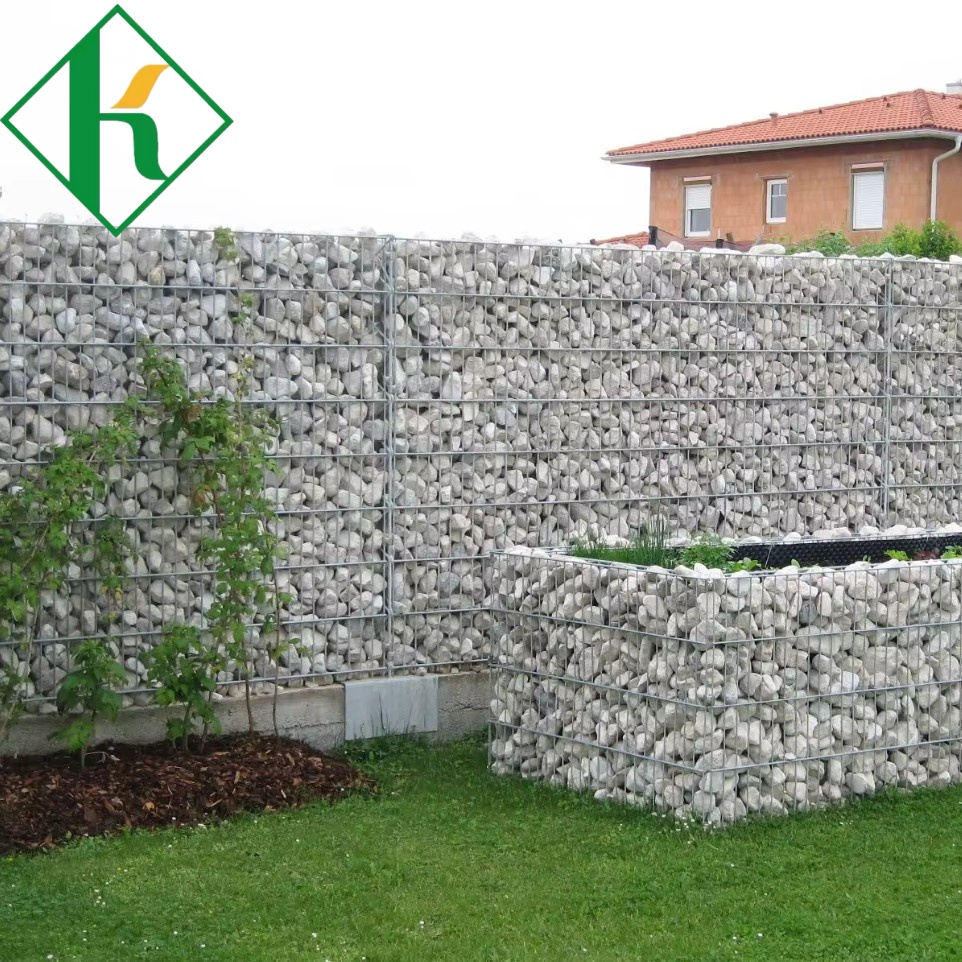
Ever wondered how landscapes withstand erosion or floods? Gabion wire mesh plays a vital role in construction. It's a durable, flexible solution for retaining walls and erosion control. In this post, you'll learn its definition, importance, and applications in construction projects.
What is Gabion Wire Mesh?
Description and Composition
Gabion wire mesh is a type of wire netting used to form cages or baskets, typically rectangular. These cages get filled with stones or other durable materials to create structures for various engineering and landscaping purposes. The mesh itself usually consists of galvanized steel wire, chosen for its strength and resistance to corrosion. Some gabion meshes come with an additional PVC coating to protect against harsh environmental factors such as saltwater or polluted air, increasing their lifespan in aggressive conditions.
The wire mesh features a hexagonal pattern, which provides flexibility and strength. This pattern allows the gabion baskets to deform slightly under pressure without breaking, making them ideal for use on unstable or uneven ground. The edges of the mesh are reinforced with thicker wire to maintain the shape and integrity of the gabion structure.
Types of Gabion Wire Mesh
Gabion wire mesh comes in several types, each suited for specific uses:
● Hexagonal Wire Mesh Gabions: The most common type. It uses hexagonal openings formed by twisting wires together. This mesh offers excellent flexibility and strength, ideal for retaining walls, erosion control, and slope stabilization.
● Welded Wire Mesh Gabions: These use a rigid, welded grid pattern instead of twisted wire. Welded gabions provide a cleaner, more architectural look and are often used in landscaping, sound walls, and feature walls. They are less flexible but offer higher structural precision.
● PVC-Coated Gabion Wire Mesh: Available in both hexagonal and welded types, this mesh has a protective PVC layer. It’s designed for use in corrosive environments like marine areas or industrial zones. The coating prevents rust and extends the service life of the gabion.
● Rock Mattresses: A variation of gabions, these are thinner, flat gabions primarily used to line channels and prevent scour in waterways.
Each type varies in wire diameter, mesh opening size, and coating, allowing customization depending on the project’s requirements. For example, hexagonal mesh wire diameter typically ranges from 2.0mm to 4.0mm, while PVC-coated wires have slightly larger diameters to accommodate the coating thickness.
Tip: When selecting gabion wire mesh, consider environmental exposure and required flexibility—PVC-coated hexagonal mesh suits corrosive areas, while welded mesh offers architectural appeal for visible installations.
Applications of Gabion Wire Mesh
Gabion wire mesh plays a crucial role in many construction and environmental projects due to its versatility and durability. Its applications span across retaining walls, channel linings, slope stabilization, flood control, and erosion prevention. Let's explore these uses in detail.
Use in Retaining Walls
Gabion wire mesh is widely used to build retaining walls. These walls support soil laterally, preventing erosion and landslides on slopes or uneven terrain. The gabion baskets get filled with stones, creating a heavy, stable mass that resists soil pressure effectively. Their flexibility allows them to settle without cracking, even on unstable ground. This makes gabion retaining walls ideal for highways, embankments, and landscaping projects.
Because the wire mesh is permeable, water drains through the stones, reducing hydrostatic pressure behind the wall. This drainage feature helps prevent wall failure and reduces the need for additional drainage systems. Moreover, over time, soil and plants settle into the gaps, turning the gabion wall into a natural, green structure that blends with the environment.
Channel Linings and Slope Stabilization
Gabions also protect channels and slopes from erosion caused by flowing water or weathering. In channel linings, gabion mattresses or baskets line the bed and banks of streams or drainage channels. They absorb and dissipate the energy of moving water, preventing scour and soil loss. This application is common in irrigation canals, riverbanks, and stormwater management systems.
When used for slope stabilization, gabions reinforce weak or eroding slopes by holding soil in place. Their flexibility allows them to conform to the natural shape of the slope, reducing the risk of collapse. The open structure encourages vegetation growth, which further stabilizes the soil and enhances the landscape.
Flood Control and Erosion Prevention
Gabion wire mesh structures serve as effective flood control barriers. They can be stacked to form flood walls or levees that protect communities and infrastructure from rising water levels. Their permeability allows water to flow through slowly, reducing pressure on the structure and minimizing damage during floods.
Erosion prevention along coastlines, riverbanks, and other vulnerable areas is another key application. Gabions absorb wave and current forces, protecting the soil behind them. Their durability and ease of installation make them a preferred choice for long-term erosion control projects.
Advantages of Gabion Wire Mesh
Gabion wire mesh offers several significant advantages that make it a popular choice in construction and environmental projects. These benefits include durability, ease of installation, and environmental friendliness.
Durability and Longevity
Gabions are built to last. The galvanized steel wire mesh resists corrosion and mechanical damage, especially when coated with PVC for added protection. Over time, sediments, soil, and plant roots settle into the stone-filled cages, reinforcing the structure naturally. This process transforms gabions into living, green barriers that blend seamlessly with the environment. Their flexibility allows them to withstand ground movement without cracking or breaking, which is crucial for retaining walls on unstable slopes or flood-prone areas. This durability ensures gabion structures require minimal repairs and can perform well for decades.
Ease of Installation
One of the strongest advantages of gabion wire mesh is how easy it is to install. Gabions come flat-packed and unfold into cages that are simple to assemble on-site. Filling them with stones is straightforward and does not require specialized equipment or skilled labor. This simplicity reduces construction time and labor costs. Additionally, gabions are permeable, so they allow water to pass through, eliminating the need for complex drainage systems. This feature further simplifies installation, especially in wet or flood-prone areas.
Environmental Benefits
Gabions are eco-friendly solutions for many civil engineering challenges. Their open structure encourages vegetation growth, which stabilizes soil and improves local biodiversity. Unlike concrete or solid walls, gabions integrate naturally into landscapes, reducing visual impact. They also prevent soil erosion effectively by absorbing and dissipating the energy of flowing water. Their materials are often locally sourced, and the stones can sometimes be reclaimed, minimizing environmental footprint. Moreover, gabions do not require chemical treatments or harmful additives, making them safe for natural habitats.
Materials and Specifications
Gabion wire mesh is made from different types of wire and coatings to suit various environments and project needs. Understanding these materials helps ensure durability and performance.
Types of Wire Used
The wire for gabion mesh is usually mild steel, chosen for strength and flexibility. It must meet specific standards, such as a tensile strength between 380 MPa and 500 MPa, and a minimum elongation at failure of 12%. These properties allow the mesh to withstand tension and compression without breaking.
Different wire diameters are used depending on the application:
● Mesh Wire: Typically ranges from 2.0 mm to 4.0 mm in diameter. Thicker wire increases strength but reduces flexibility.
● Selvedge or Edge Wire: Usually one gauge thicker than the mesh wire. It reinforces the edges for better shape retention.
● Binding and Bracing Wire: Slightly thinner, used to secure and tie the mesh panels together.
Coating Options and Their Benefits
Coatings protect the steel wire from corrosion, extending the gabion’s lifespan, especially in harsh environments.
● Galvanized Coating: A zinc layer applied to the wire prevents rust. The minimum zinc weight varies by wire diameter but typically ranges from 240 to 275 g/m². This coating suits most standard applications.
● PVC Coating: A polyvinyl chloride (PVC) layer applied over galvanized wire offers extra protection. It resists abrasion, UV rays, salt spray, and chemical exposure. The PVC coating is usually at least 0.4 mm thick. This type is ideal for marine, industrial, or polluted environments.
The PVC layer also provides a smooth surface that reduces wire wear and enhances aesthetic appeal, especially important for visible architectural gabions.
Standard Sizes and Dimensions
Gabion wire mesh comes in various mesh opening sizes and wire diameters to accommodate different fill materials and structural requirements. Common mesh openings include:
Opening Size (mm) | Wire Diameter (Galvanized) (mm) | Wire Diameter (PVC Coated) (mm) | Number of Strands |
60 x 80 | 2.0 - 2.8 | 2.0 / 3.0 - 3.5 | 3 |
80 x 100 | 2.0 - 3.2 | 2.0 / 3.0 - 3.8 | 3 |
80 x 120 | 2.0 - 3.2 | 2.0 / 3.0 - 3.8 | 3 |
100 x 120 | 2.0 - 3.4 | 2.0 / 3.0 - 3.8 | 3 |
100 x 150 | 2.0 - 3.4 | 2.0 / 3.0 - 3.8 | 3 |
120 x 150 | 2.0 - 4.0 | 2.0 / 3.0 - 4.0 | 3 |
The mesh opening size affects flexibility, drainage, and the size of stones that can be used. Smaller openings provide more containment but less permeability.

Installation Process
Installing gabion wire mesh structures involves careful preparation, assembly, and filling to ensure stability and durability. Here’s a detailed look at each step.
Preparation and Planning
Before installation, assess the site conditions and project requirements. Survey the ground to check for uneven terrain, soil type, and drainage patterns. Proper planning helps determine the size and type of gabion baskets needed, the quantity of stone fill, and the layout of the gabion structure.
Clear the area of debris, vegetation, or loose soil. If necessary, level the ground or create a stable base using compacted gravel or a geotextile fabric. This base supports the gabion baskets and prevents settling or sinking over time.
Mark the layout lines clearly using stakes and string to guide assembly. Also, plan access routes for transporting materials and equipment.
Assembling the Gabion Structures
Gabion wire mesh usually comes flat-packed for easy transport. To assemble:
1. Unfold the flat gabion mesh and shape it into a rectangular or square cage.
2. Use binding wire, spiral binders, or "C" rings to connect edges and corners securely.
3. Reinforce the edges and corners by tightening the selvedge wire to maintain shape.
4. Assemble multiple baskets side by side or stacked as required, lacing them together to form a monolithic structure.
Ensure all joints are tightly secured to prevent deformation during filling. For larger projects, pneumatic lacing tools can speed up the process and improve consistency.
Filling and Securing the Mesh
Fill the assembled gabion baskets with durable, angular stones sized to fit tightly without excessive gaps. Avoid rounded stones as they can shift and reduce stability.
● Start filling from one corner and work evenly across the basket.
● Use hand tools or small machinery to place stones carefully, ensuring a compact and stable fill.
● Fill the baskets to the top, leaving a small gap to allow for settling.
● After filling, close the top panel and secure it firmly with binding wire or spiral binders.
Check the structure regularly during filling to maintain shape and alignment. For multi-layered gabions, fill and secure the lower layers before stacking upper baskets.
Proper installation ensures the gabion structure withstands environmental forces while maintaining flexibility and permeability.
Maintenance and Longevity
Routine Inspection and Repairs
Gabion wire mesh structures require regular inspections to maintain their performance and extend lifespan. Check gabions at least once or twice a year, especially after heavy rains, floods, or seismic activity. Look for signs of wire corrosion, broken mesh, displaced stones, or deformation in the cages. Early detection allows timely repairs, preventing minor damage from worsening.
Repairs often involve replacing damaged wire sections, tightening loose bindings, or refilling displaced stones. Use matching wire types and coatings for replacements to maintain uniform protection and strength. In some cases, adding extra support or reinforcing mesh panels can help stabilize weakened structures. Keep vegetation growth under control around gabions to avoid root damage or excessive moisture retention that might accelerate corrosion.
Factors Affecting Durability
Several factors influence how long gabion wire mesh lasts:
● Environmental Conditions: Exposure to saltwater, industrial pollutants, or acidic soils accelerates corrosion. Using PVC-coated wire mesh in such areas significantly improves resistance. Dry, temperate climates generally cause less wear.
● Quality of Materials: Higher-grade steel wire with proper galvanization and thick PVC coatings increase durability. Thicker wire diameters also resist mechanical damage better.
● Installation Quality: Proper assembly and secure fastening prevent mesh deformation and stress concentration. Well-compacted stone fill reduces movement inside the cages, minimizing wear on the wire.
● Load and Movement: Structures subjected to heavy loads, frequent vibrations, or ground shifts may experience faster wear. The hexagonal mesh’s flexibility helps absorb some movement, but excessive stress can lead to wire fatigue.
● Maintenance Practices: Regular cleaning, vegetation control, and prompt repairs extend service life. Neglecting these can lead to accelerated deterioration and costly replacements.
By understanding these factors and implementing routine maintenance, gabion structures can last 50 years or more in optimal conditions. This longevity makes them a cost-effective and sustainable choice for many civil engineering projects.
Conclusion
Gabion wire mesh, with its durability and versatility, is ideal for retaining walls, erosion control, and flood prevention. Its eco-friendly nature and ease of installation make it a preferred choice in construction and landscaping. Future trends suggest increased use in sustainable projects. KaiHeng offers high-quality gabion wire mesh, emphasizing corrosion resistance and longevity, providing significant value in challenging environments.
FAQ
Q: What is Gabion Wire Mesh used for?
A: Gabion Wire Mesh is used to create structures like retaining walls, channel linings, and flood barriers by filling the mesh cages with stones for stability and erosion control.
Q: How does Gabion Wire Mesh compare to traditional retaining walls?
A: Gabion Wire Mesh offers flexibility, permeability, and environmental integration, unlike traditional concrete walls, which are rigid and less eco-friendly.
Q: Why choose PVC-coated Gabion Wire Mesh?
A: PVC-coated Gabion Wire Mesh provides enhanced corrosion resistance, making it ideal for marine or polluted environments, thus extending the structure's lifespan.
Q: What are the benefits of using Gabion Wire Mesh?
A: Gabion Wire Mesh is durable, easy to install, environmentally friendly, and integrates naturally into landscapes, offering effective erosion and flood control.
Q: How much does Gabion Wire Mesh cost?
A: The cost of Gabion Wire Mesh varies based on type, size, and coating, with PVC-coated options generally being more expensive due to added protection.