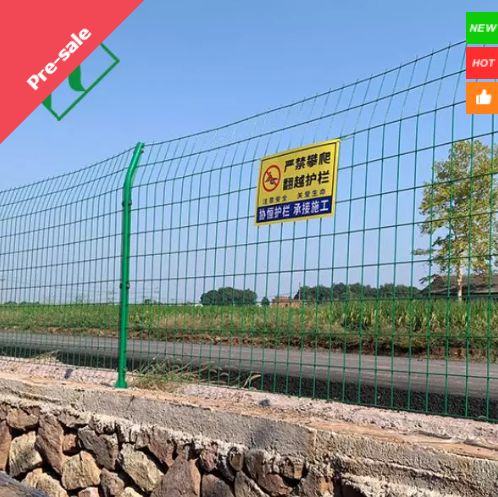
Ever wondered how construction sites maintain security and order amidst chaos? Construction fences are the unsung heroes, providing essential barriers. These fences are crucial for site management, enhancing security, controlling debris, and ensuring compliance with regulations. In this post, you'll learn about different types of construction fencing and their uses, helping you choose the right solution for your project.
Types of Construction Fencing
Construction fencing comes in various types, each suited for different site needs. Choosing the right one helps secure your site, control access, and maintain safety effectively.
Chain-Link Fencing
Chain-link fencing is the most common choice. Made from interwoven steel wires, it offers durability and visibility. It’s quick to install and remove, perfect for temporary or long-term use. You can add barbed wire for extra security. This type fits projects of all sizes, from small renovations to large commercial sites.
Mesh vs. Welded Wire Fences
Mesh fencing uses lightweight woven wire panels, making it easy to move and adjust. It’s great for low-security needs or flexible setups. |
Welded wire fences are heavier and stronger, ideal for high-security zones or harsh weather. They offer a rigid grid structure and can include gates or privacy screens. |
Privacy Screens and Hoarding Fences
Privacy screens attach to fences to block visibility, protecting sensitive areas. |
Hoarding fences go further by fully enclosing the site with solid panels. They contain dust and debris and improve site appearance, especially in urban settings. These fences also serve as advertising spaces with custom branding. |
Plastic Fencing
Plastic fencing is lightweight and easy to transport. It’s often used for short-term projects or where high visibility is needed. Usually bright orange or yellow, it alerts pedestrians and workers to hazards. This fencing is cost-effective but less durable than metal options.
Barricades and Safety Fencing
Barricades are portable barriers made of metal or plastic. They control crowds, manage traffic, and restrict site access. Safety fencing, often brightly colored plastic mesh, marks hazardous zones and guides pedestrians safely. Both types enhance visibility and prevent accidents around the construction area.
Benefits of Construction Fencing
Enhancing Security and Safety
Construction fencing acts as a strong barrier that keeps unauthorized people out. It protects valuable equipment and materials from theft or vandalism. By clearly marking the site boundaries, fencing reduces the chance of accidental entry, which helps prevent injuries. Brightly colored or reflective fencing improves visibility, especially at night, alerting pedestrians and workers to potential hazards. This safety measure is vital for complying with OSHA and local safety regulations.
Managing Debris and Privacy
Construction sites often generate dust, dirt, and debris. Fencing helps contain this mess within the site, keeping surrounding areas clean and safe. Privacy screens or hoarding fences block the view of ongoing work, protecting sensitive projects from prying eyes and reducing distractions. These fences also help control noise and dust, improving conditions for nearby residents and businesses. Additionally, hoarding panels can be customized for branding or advertising, enhancing the site’s professional image.
Regulatory Compliance and Site Organization
Many local laws require construction sites to have fencing to protect the public and workers. Proper fencing ensures your project meets these regulations, avoiding fines or work stoppages. Fencing also helps organize the site by defining work zones, storage areas, and access points. This organization improves workflow and communication among crews, reducing delays and accidents. When combined with gates and locks, fencing controls who enters the site and when, further enhancing security and efficiency.

Temporary vs. Permanent Construction Fencing
Characteristics of Temporary Fencing
Temporary construction fencing is designed for flexibility and ease of use. It consists of modular panels that are lightweight and easy to move, allowing quick installation and removal. This fencing type is ideal for projects with changing site layouts or short durations. Temporary fences often use chain-link mesh or welded wire panels supported by metal stands or driven posts. They can be customized with privacy screens or wind barriers to control dust and visibility.
Temporary fencing provides a secure perimeter that deters unauthorized entry and protects workers and equipment. It clearly marks hazardous zones and guides pedestrian and vehicle traffic safely around the site. Because it is not permanently fixed, it adapts well to evolving construction phases. Temporary fencing is generally more cost-effective upfront and requires less labor for setup compared to permanent options.
Advantages of Permanent Fencing
Permanent fencing is built for durability and long-term use. It is typically installed with concrete footings and robust posts that withstand harsh weather and repeated impacts. This fencing type is suitable for projects that will transition into permanent facilities or sites requiring ongoing security after construction ends.
Permanent fences offer enhanced protection against trespassing and vandalism due to their sturdier construction. They often improve site aesthetics and can be customized with decorative elements to complement the surroundings. Although they require a higher initial investment and more installation time, permanent fences reduce maintenance costs over time and provide peace of mind for long-term site owners.
Choosing the Right Type for Your Project
Selecting between temporary and permanent fencing depends on project duration, security needs, budget, and site conditions. For short-term projects or those with frequent layout changes, temporary fencing is usually the best choice due to its flexibility and lower cost. It allows easy relocation and quick adjustments as the project progresses.
If your project involves a long timeline or will become a permanent facility, investing in permanent fencing makes sense. It offers greater durability and a professional appearance that supports site security well beyond construction. Consider local regulations and safety requirements, which may influence the type and specifications of fencing needed.
Combining both types can also be effective—for example, starting with temporary fencing during active construction, then upgrading to permanent fencing once the project nears completion. This approach balances cost, security, and functionality throughout the project lifecycle.
Cost Considerations for Construction Fencing
Comparing Rental and Purchase Costs
When planning construction fencing, deciding whether to rent or buy is crucial. Renting usually costs less upfront and suits short-term projects. Rental packages often include delivery, setup, and removal, easing logistics. However, rental fees add up over time, so long projects might be more cost-effective buying fencing. Purchasing means a higher initial investment but eliminates ongoing rental charges. You’ll need space for storage and funds for maintenance, though. Consider your project length carefully to pick the best financial option.
Budget-Friendly Temporary Fencing Options
For tight budgets, temporary fencing offers affordable solutions. Mesh fencing panels, for example, provide adequate security at a lower price point than chain-link fences. Plastic fencing is even more budget-friendly, ideal for short-term or low-risk sites. Rental companies often offer discounts for longer rentals or bulk orders, which can reduce costs. Reusing fencing from previous projects also saves money. Always compare quotes from multiple suppliers to find competitive rates. Balancing cost and functionality ensures you don’t compromise site security.
Factors Affecting Costs: Materials and Customizations
Material choice heavily impacts fencing cost. Chain-link fences are durable and moderately priced, while welded wire or hoarding fences cost more due to strength and privacy features. Plastic fences are cheapest but less durable. Adding custom gates, locks, or privacy screens raises expenses but boosts security and site appearance. Reflective markers or lighting for night work add further costs. Installation complexity, terrain, and local regulations also influence total price. Planning ahead for these factors prevents budget surprises.
Tip: Evaluate project duration and security needs early, then balance rental versus purchase and material options to optimize your fencing budget without sacrificing safety or compliance.
Enhancing Construction Fencing with Accessories
Construction fencing serves as a vital barrier on job sites, but adding the right accessories can boost its effectiveness. These enhancements improve security, privacy, and safety, making your fencing more adaptable to specific project needs.
Custom Gates and Locks
Custom gates provide controlled entry points for workers, vehicles, and equipment. They come in various sizes and designs to fit your fencing type and site layout. Adding sturdy locks or electronic access controls ensures only authorized personnel can enter, reducing theft and vandalism risks. For busy sites, automated gates speed up access while maintaining security. Consider gates that comply with local safety codes and allow emergency access when needed.
Privacy Screens and Reflective Markers
Privacy screens attach to fencing panels to block visibility into the site. They protect sensitive operations from prying eyes and reduce distractions for workers and the public. Screens also help contain dust and debris, improving environmental control. Choose durable, weather-resistant materials that withstand wind and rain.
Reflective markers or tape enhance fence visibility during low-light conditions. Placing these markers along fence lines alerts pedestrians and drivers to the site perimeter, reducing accident risks. They are especially useful near roads or in areas with nighttime work. Combining privacy screens and reflective markers balances security and safety effectively.
Lighting for Nighttime Operations
Proper lighting around your fencing improves safety and security after dark. Motion-activated lights deter trespassers and make it easier for security personnel to monitor the site. Illuminated gates and access points help workers enter and exit safely. Use energy-efficient LED lights to reduce power costs and ensure consistent brightness.
Temporary lighting setups can be mounted on poles or fencing posts and adjusted as the site changes. For long-term projects, permanent lighting installations provide reliable illumination. Always check local regulations regarding outdoor lighting to avoid disturbances to nearby residents.
Installation and Maintenance of Construction Fencing
Conducting a Site Assessment
Before installing construction fencing, carefully assess your site. Measure the perimeter and identify key access points for workers, vehicles, and deliveries. Note any uneven terrain, slopes, or obstacles that could affect fence placement or stability. Consider nearby pedestrian pathways and traffic patterns to maximize safety. Identify areas requiring extra security, such as equipment storage or hazardous zones. This thorough evaluation helps plan fence layout that meets safety, security, and regulatory needs.
Selecting Appropriate Fencing Type
Use your site assessment to choose the right fencing type. For uneven or soft ground, driven posts might provide better stability than freestanding panels. If the site has high foot traffic nearby, consider fences with privacy screens or hoarding panels to block debris and improve appearance. For short-term projects, lightweight temporary fences like chain-link panels or mesh are easier to install and move. Long-term or sensitive sites may benefit from permanent fencing with concrete footings. Always check local codes for fencing height and material requirements before installation.
Regular Maintenance and Inspections
Once installed, maintain your fence regularly to ensure ongoing security and safety. Inspect panels and posts for damage like bent frames, loose ties, or holes. Repair or replace damaged sections promptly to prevent unauthorized entry or accidents. Check gates and locks for proper function and secure closure. Remove debris buildup around the fence base to avoid corrosion or instability. Schedule periodic inspections, especially after storms or heavy winds, to catch issues early. Keeping fencing in good condition extends its lifespan and protects your investment.
Conclusion
Construction fencing is crucial for site security, access control, and safety. Choosing the right type depends on project needs, budget, and site conditions. Temporary fences offer flexibility, while permanent ones provide durability. Accessories like gates and privacy screens enhance functionality. Selecting the right fencing solution ensures compliance and efficiency. Kaiheng offers high-quality fencing products that meet diverse construction needs, providing exceptional value and reliability for any project.
FAQ
Q: What is a construction fence used for?
A: A construction fence is used to secure a site, control access, and ensure safety by marking boundaries and protecting equipment.
Q: How does a chain-link construction fence differ from a mesh fence?
A: A chain-link construction fence is durable and visible, while a mesh fence is lightweight and flexible, ideal for low-security needs.
Q: Why choose temporary over permanent construction fencing?
A: Temporary construction fencing is cost-effective and flexible for short-term projects, while permanent fencing offers long-term durability and security.