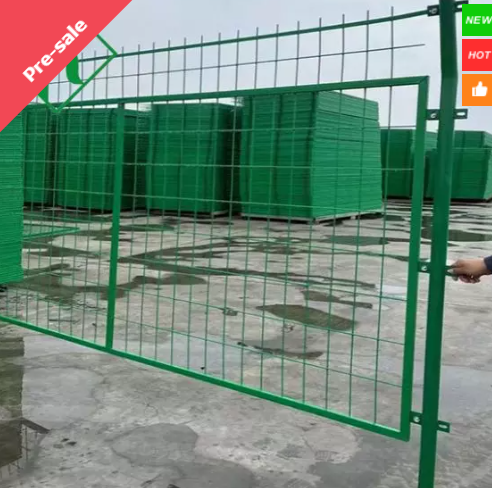
Choosing the right wire gauge for fencing is crucial. It impacts strength, durability, and cost, especially for wire mesh fences. Understanding wire gauge measurement helps you select the best option for your needs. In this post, you'll learn about gauge importance, measurement, and how to choose the perfect wire gauge for your fencing project.
Understanding Wire Gauge
Definition and Explanation of Wire Gauge
Wire gauge measures the thickness or diameter of a wire. Originally, it was based on how many times a wire was pulled through a set of dies during manufacturing. Each die had a smaller opening, so more pulls meant a thinner wire. For example, a 9-gauge wire was pulled through nine dies, while a 14-gauge wire was pulled through fourteen. Today, modern tools measure wire diameter precisely to keep gauge standards consistent.
How Wire Gauge is Measured
Wire gauge is measured using the American Wire Gauge (AWG) system in the U.S. or by diameter in millimeters or inches. The AWG number corresponds to the number of times the wire was drawn through dies during manufacturing. The diameter is the physical thickness of the wire, which is critical for determining its strength and suitability for different fencing needs.
The Inverse Relationship Between Gauge Number and Thickness
One important detail often misunderstood is that the larger the gauge number, the thinner the wire. This inverse relationship means a 7-gauge wire is thicker than a 12-gauge wire. Thicker wires (lower gauge numbers) provide greater strength and durability, ideal for fencing that needs to withstand heavy pressure from large animals or harsh weather. Thinner wires (higher gauge numbers) suit lighter fencing needs, such as for small animals or garden enclosures.
| Gauge Number | Approximate Diameter (inches) | Thickness Description |
| 7 | 0.180 | Very thick, heavy-duty wire |
| 9 | 0.148 | Thick, strong wire |
| 12 | 0.080 | Medium thickness |
| 14 | 0.064 | Thinner wire |
| 16 | 0.050 | Thin, lightweight wire |
Note: These diameters are approximate and vary slightly by manufacturer.
Understanding this inverse scale helps you select the right wire gauge for your fencing project, balancing strength, durability, and cost.
Tip: Always verify the wire gauge thickness with your supplier to ensure it matches your fence’s strength requirements and intended use.
Why Wire Gauge Matters for Fencing
Impact on Fence Strength and Durability
Choosing the right wire gauge is crucial because it directly affects your fence's strength and durability. Thicker wires (lower gauge numbers) are stronger and more resistant to bending or breaking. This makes them ideal for fences facing heavy pressure, like livestock pushing or harsh weather conditions. Thinner wires (higher gauge numbers) are less durable and better suited for lighter uses, such as garden enclosures or small pets.
For example, a 9-gauge wire is strong enough to withstand cattle leaning or rubbing against it, while a 16-gauge wire might bend under similar stress. Using an inadequate wire gauge could lead to frequent repairs, higher maintenance costs, or even fence failure.
Considerations for Different Types of Animals
The type and size of animals you want to contain or exclude influence the wire gauge choice. Large, strong animals such as cattle, horses, or deer require thicker wire gauges to prevent them from breaking through or damaging the fence. A 9-gauge or 12.5-gauge wire is commonly recommended for these animals because of its strength.
Smaller animals, like dogs, rabbits, or poultry, generally need less robust fencing. Thinner wires like 14- or 16-gauge work well here, providing enough barrier without unnecessary weight or cost. Also, the wire spacing and fence height play roles, but the wire gauge ensures the wire itself won’t fail under animal pressure.
Safety and Security Implications
Wire gauge also impacts safety and security. For livestock, a strong wire reduces the risk of animals escaping and getting hurt or lost. For property security, thicker wires are harder to cut or breach, deterring intruders. Using a wire gauge too thin compromises safety by making the fence easier to damage or climb.
In some cases, such as electric fencing, the gauge affects conductivity and effectiveness. Thicker wires generally handle electrical current better, ensuring the fence delivers a consistent shock to deter animals or trespassers.

Choosing the Right Wire Gauge for Your Needs
Factors to Consider: Strength, Height, and Purpose
Picking the right wire gauge depends on three main factors: strength, fence height, and the fence’s purpose.
Strength: How tough does your fence need to be? For large animals like cattle or horses, you want thicker wire (lower gauge number) that won’t bend or break easily. For smaller animals or garden fences, thinner wire (higher gauge) often works well.
Height: Taller fences usually need stronger wire to handle the extra weight and pressure. A short garden fence might get by with thinner wire, but a tall deer fence should have thicker wire to stay stable.
Purpose: What’s the fence for? If it’s to keep pets in or keep pests out of your garden, lightweight wire may be enough. For livestock or security fences, choose a thicker gauge to ensure durability and safety.
Comparing Different Gauges for Various Applications
Here’s a quick look at common wire gauges and where they fit best:
| Wire Gauge | Typical Use Case | Notes |
| 9 gauge | Livestock fences, heavy-duty security | Strong and durable, good for large animals |
| 12.5 gauge | General farm fencing | Good balance between strength and cost |
| 14 gauge | Garden fences, deer barriers | Thinner, suitable for smaller animals |
| 16 gauge | Dog kennels, light garden enclosures | Lightweight, easy to install |
For example, a 9-gauge wire is ideal for cattle fences as it resists pressure well. A 16-gauge wire works for dog kennels because it’s easy to handle but still sturdy enough for small animals.
Consulting Local Zoning Laws and Terrain Considerations
Before buying wire, check local zoning laws. Some areas have rules about fence height, materials, or types allowed. You want to avoid fines or having to replace your fence later.
Also, consider your land’s terrain:
Hilly or uneven ground may require flexible wire that can bend without breaking.
Rocky soil might demand stronger posts and thicker wire to prevent damage.
Areas with heavy winds or snow loads need sturdy wire and secure installation.
Talking to local fencing experts or suppliers can help you pick a wire gauge that fits your environment and complies with regulations.
Common Wire Gauges for Different Fencing Applications
Overview of Popular Wire Gauges
When choosing fencing wire, knowing common gauges helps you pick the right one. Wire gauge refers to thickness, and the lower the gauge number, the thicker and stronger the wire. Here are some popular wire gauges used in fencing:
7 gauge: Very thick, heavy-duty wire for maximum strength.
9 gauge: Thick, strong wire ideal for livestock and security fences.
12 to 12.5 gauge: Medium thickness, often used for general farm or field fencing.
14 gauge: Thinner wire for garden fences or deer barriers.
16 gauge: Lightweight wire for small animal enclosures or kennels.
These gauges cover a broad range of fencing needs, from heavy-duty livestock containment to lightweight garden protection.
Specific Uses for Low-Gauge (Thicker) Wire
Low-gauge wire (7 to 9 gauge) is thicker, tougher, and more durable. It suits fences that must withstand heavy pressure or impact. Common applications include:
Cattle and horse fencing: 9-gauge wire resists pushing and rubbing.
High-security fences: 7-gauge wire provides strong resistance against cutting or climbing.
Heavy-duty farm fences: Thick wire lasts longer under harsh weather and animal stress.
Because thicker wire is harder to bend or break, it offers superior safety and longevity. However, it can be heavier and more expensive.
Applications for High-Gauge (Thinner) Wire
High-gauge wire (14 to 16 gauge) is thinner and lighter, making it easier to handle and install. It’s perfect for fencing that needs less strength, such as:
Garden fencing: Keeps out rabbits and deer without excess weight.
Dog kennels: Provides a secure enclosure for small to medium pets.
Orchard and vineyard fences: Protects plants from smaller animals and pests.
While thinner wire is less durable against large animals or heavy impact, it’s cost-effective and suitable for lighter fencing tasks.
Wire Gauge and Fence Material Compatibility
Matching Wire Gauge with Fence Materials
Choosing the right wire gauge depends heavily on the fence material. Different materials require different wire thicknesses for strength and durability. For example, welded wire mesh often uses thinner gauges, like 14 or 16, because the mesh structure adds strength. In contrast, barbed wire or woven wire fences usually need thicker gauges, such as 9 or 12, to resist pressure and wear over time.
When matching wire gauge to material, consider how the wire will be used. If it’s a structural part of the fence, thicker wire ensures stability. If the wire is mostly for containment or light barrier use, thinner wire can suffice.
Considerations for Chain Link, Mesh, and Other Fencing Types
Chain link fences typically use wire gauges between 6 and 11. The most common for residential or commercial use is 9 gauge, which balances strength and cost. High-security chain link fences may use 6 gauge wire, which is thicker and harder to cut. Temporary or lightweight fences sometimes use 11 or 11.5 gauge wire.
Mesh fences, such as welded wire mesh, usually employ higher gauge wires (thinner), like 14 or 16 gauge, because the mesh pattern provides added strength. This makes them ideal for gardens, small animal enclosures, or decorative fencing.
Woven wire fences, often used for livestock, require thicker wire gauges, typically 9 or 12.5 gauge. These thicker wires withstand animal pressure and environmental stress better than thinner gauges.
Impact on Installation and Maintenance
Wire gauge affects how easy a fence is to install and maintain. Thicker wires (lower gauge) are heavier and harder to handle but provide better durability and longer life. They often require stronger posts and more robust fasteners during installation.
Thinner wires (higher gauge) are lighter and easier to work with, making installation faster and less labor-intensive. However, they may need more frequent maintenance or replacement, especially if exposed to heavy use or harsh weather.
Choosing the right gauge for your fence material also influences repair costs. Thicker wire fences typically last longer and resist damage better, reducing long-term maintenance. Thinner wire fences might save money upfront but could cost more over time due to wear and tear.
Cost Considerations When Choosing Wire Gauge
Balancing Cost with Durability and Effectiveness
Choosing the right wire gauge means balancing upfront cost against long-term durability and performance. Thicker wire (lower gauge) usually costs more because it uses more material and requires more effort to manufacture. However, it often lasts longer and withstands stress better, reducing repair and replacement expenses over time.
Thinner wire (higher gauge) costs less initially and is easier to install. But it may not hold up well under heavy pressure or harsh weather, leading to more frequent maintenance or early failure. This can increase total costs in the long run.
For example, a 9-gauge wire fence for cattle might cost more at purchase than a 14-gauge garden fence. Yet, the 9-gauge fence can save money by avoiding damage caused by large animals pushing or rubbing against it.
Impact of Wire Gauge on Overall Fencing Budget
Wire gauge affects not only material costs but also installation and labor expenses. Thicker wire is heavier and harder to handle, possibly requiring stronger posts, more robust fasteners, and more labor time. This adds to the overall budget.
On the other hand, thinner wire is lighter and easier to work with. Installation can be quicker and less costly, especially for small projects or light-use fences.
When planning your fencing budget, consider:
Cost per foot of wire by gauge
Additional hardware or supports needed for heavier wire
Labor costs based on installation difficulty
Expected lifespan and maintenance expenses
Choosing a wire gauge that fits your budget and project needs helps avoid unexpected costs later.
Long-term Cost Implications
Investing in a thicker wire gauge often pays off over time. A durable fence reduces the risk of breaches, damage, or failure that could lead to costly repairs or replacements. It also protects your property, livestock, or pets more reliably, preventing losses or liability issues.
Conversely, opting for a cheaper, thinner wire may save money upfront but increase expenses down the road. Frequent fence repairs, animal escapes, or property damage can add up quickly.
To maximize value, think about your fence’s purpose, environment, and expected lifespan. Sometimes spending more initially on a stronger wire gauge is the smarter financial choice.
Conclusion
Choosing the right wire gauge is crucial for fence strength and durability. Lower gauge numbers mean thicker, stronger wire, ideal for heavy-duty applications. Consider animal size, fence height, and purpose when selecting a gauge. For reliable and durable fencing solutions, consider Kaiheng's products, which offer exceptional quality and performance, ensuring your fencing needs are met efficiently. Prioritize long-term cost-effectiveness by balancing initial expenses with durability and maintenance requirements.
FAQ
Q: What is the best wire gauge for a wire mesh fence?
A: The best wire gauge for a wire mesh fence depends on its purpose. For heavy-duty applications, like livestock fencing, a 9-gauge wire is ideal due to its strength. For lighter uses, such as garden enclosures, a 14- or 16-gauge wire is sufficient.
Q: How does wire gauge affect the cost of a wire mesh fence?
A: Thicker wire (lower gauge) costs more initially but offers greater durability, reducing long-term maintenance costs. Thinner wire (higher gauge) is cheaper upfront but may lead to higher repair expenses over time.