Ever wondered how stone cages, or gabion boxes, transform landscapes? These structures are more than just wire and rocks. Understanding the different types of gabions is crucial for effective construction and landscaping. In this post, you'll learn about various gabion types, their features, and practical applications. Discover how gabions can enhance your projects with durability and environmental benefits.
Gabion Baskets: The Popular Choice
Gabion baskets are the most common type of gabions used in construction and landscaping. They are rigid, box-like structures typically made from galvanized or PVC-coated steel wire mesh. These baskets come in various sizes, usually ranging from 3 to 6 feet in length, and are designed to be filled with stones, rocks, or recycled concrete.
Structure and Composition
Gabion baskets feature a compartmentalized design, divided by internal diaphragms into smaller sections. This design helps evenly distribute the weight of the fill material, preventing bulging or deformation when stacked or subjected to pressure. The wire mesh is usually double-twisted hexagonal wire or welded mesh, both of which provide strength and durability. The galvanized or PVC coating protects the metal from corrosion, extending the lifespan of the baskets, especially in harsh environments.
Applications in Retaining Walls and Erosion Control
Gabion baskets are widely used in retaining walls, where their strength and flexibility make them ideal for stabilizing slopes and preventing soil erosion. They can adapt to ground movements caused by weather or seismic activity without cracking like rigid concrete walls. This flexibility reduces maintenance needs and increases longevity.
In erosion control, gabion baskets act as barriers that slow down water flow and trap sediment. They are commonly placed along riverbanks, shorelines, and embankments to protect against soil loss caused by water currents. Their permeable structure allows water to pass through while holding back soil, minimizing hydrostatic pressure buildup behind the wall.
Gabion baskets also serve in flood management by reinforcing riverbanks and flood channels. Their robust construction absorbs and dissipates the energy of flowing water, reducing the risk of structural damage during floods.
Advantages of Gabion Baskets
● Durability: Resistant to weathering, corrosion, and mechanical stress.
● Flexibility: Can conform to uneven terrain and settle without losing integrity.
● Permeability: Allows drainage, preventing water pressure buildup.
● Ease of Installation: Modular design simplifies assembly and filling.
● Cost-Effectiveness: Uses locally sourced fill materials, reducing costs.
● Environmental Benefits: Supports vegetation growth around and within the baskets, enhancing habitat.
Gabion baskets combine strength, adaptability, and environmental friendliness, making them a popular choice for engineers and landscapers alike. Their ability to form stable, long-lasting structures while blending with natural surroundings is unmatched.
Gabion Mattresses: Low Profile Solutions
Gabion mattresses, often called Reno mattresses, are a unique type of gabion designed for low-profile applications. Unlike the taller, box-shaped gabion baskets, these mattresses are shallow and wide, typically measuring 6 to 12 inches in height. Their flat, rectangular shape makes them ideal for covering large surface areas where a subtle but effective erosion control or protection layer is needed.
Design and Features
Gabion mattresses consist of welded or woven wire mesh compartments divided by internal diaphragms. These compartments are filled with stones or other durable materials, similar to gabion baskets. The key difference lies in their low height and larger footprint, which allows them to conform closely to the ground or riverbed.
The wire mesh is often galvanized or PVC-coated to resist corrosion, especially in wet or harsh environments. This coating extends the lifespan of the mattresses, ensuring they maintain their structural integrity over time. The compartments prevent the fill material from shifting, providing a stable and uniform layer.
Use in Riverbank Protection and Channel Lining
Gabion mattresses are widely used to protect riverbanks, canals, and drainage channels from erosion caused by flowing water. Their broad, flat design dissipates hydraulic energy more effectively than vertical structures, reducing the scouring effect of fast-moving water.
By lining riverbeds or channels, these mattresses prevent soil loss and maintain the natural shape of the watercourse. They also allow water to pass through while holding back soil, which helps maintain groundwater levels and reduces flood risks.
In coastal areas, gabion mattresses protect shorelines from wave action and tidal forces, helping to preserve beaches and prevent land loss.
Benefits of Using Gabion Mattresses
● Low Profile: Their shallow design blends well with natural terrain without obstructing water flow.
● Flexibility: Can conform to uneven surfaces and settle without cracking or failing.
● Durability: Resistant to corrosion and mechanical wear in aquatic environments.
● Ease of Installation: Large coverage area reduces installation time and labor costs.
● Environmental Compatibility: Permeable structure supports aquatic life and vegetation growth.
● Cost-Effectiveness: Uses locally available fill materials, lowering transportation and material expenses.
Gabion mattresses offer a practical, efficient solution for erosion control in areas requiring minimal visual impact and maximum coverage. Their ability to stabilize riverbanks and channels while supporting the ecosystem makes them a preferred choice for engineers managing water flow and soil conservation.
Tip: When installing gabion mattresses for riverbank protection, ensure the base is properly graded and compacted to prevent settling and maximize stability.
Gabion Sacks: Flexibility and Rapid Deployment
Gabion sacks are a distinctive type of gabion known for their flexibility and quick installation capabilities. Unlike the rigid, box-like gabion baskets, gabion sacks have a cylindrical or tubular shape made from flexible hexagonal wire mesh. This unique design allows them to adapt to various terrains and be deployed rapidly, making them invaluable in emergency situations and areas with limited access.
Construction and Characteristics
Gabion sacks are typically constructed from double-twisted galvanized steel wire mesh, sometimes coated with PVC for added corrosion resistance. The wire mesh is woven into flexible sacks or tubes, which can be filled with stones, gravel, or other durable materials on-site. Their cylindrical shape and pliability enable them to conform to uneven surfaces and settle without losing structural integrity.
Because of their flexibility, gabion sacks can absorb and dissipate energy from water flow or earth movement more effectively than rigid structures. This makes them ideal for temporary or semi-permanent installations where ground conditions are unstable or changing.
Emergency Applications
Gabion sacks excel in rapid deployment scenarios such as flood control, emergency riverbank stabilization, and temporary erosion protection. During floods, they can be quickly filled and stacked to create barriers that slow water flow and reduce damage to infrastructure and landscapes.
Their portability and ease of installation also make them suitable for underwater construction projects, where traditional gabion baskets might be difficult to place. For instance, gabion sacks can be used to reinforce dam foundations or shorelines after sudden damage or erosion events.
Additionally, their compact form before filling allows for efficient transport and storage, which is crucial when responding to emergencies.
Why Choose Gabion Sacks?
● Flexibility: Their tubular shape adapts to irregular surfaces and ground movements.
● Rapid Deployment: Easy to transport and install quickly during emergencies.
● Durability: Galvanized and PVC-coated wire mesh resists corrosion and wear.
● Cost-Effectiveness: Use locally available fill materials, reducing overall expenses.
● Versatility: Suitable for temporary or permanent erosion control and stabilization.
● Environmental Compatibility: Permeable structure supports natural water flow and vegetation growth.
Gabion sacks offer a practical, efficient, and adaptable solution for projects requiring fast action or installation in challenging environments. Their ability to conform to terrain and withstand dynamic conditions makes them a trusted choice for engineers and emergency responders alike.

Gabion Wire Mesh: The Foundation
Gabion wire mesh forms the backbone of all gabion types. Its quality and design determine the strength, durability, and adaptability of gabion structures. Understanding the types of wire mesh used and their applications is essential for selecting the right gabion solution.
Types of Wire Mesh Used
Gabion wire mesh typically comes in two main styles:
● Hexagonal Wire Mesh: This is a flexible, double-twisted wire mesh shaped into hexagons. It offers excellent adaptability to ground movements and uneven surfaces. The twisting prevents unraveling if the mesh is damaged. Hexagonal mesh is common in gabion baskets, sacks, and mattresses, providing a balance of strength and flexibility.
● Welded Wire Mesh: Made by welding intersecting wires, this mesh is rigid and strong. It’s ideal for applications requiring firm, stable structures, such as architectural gabion walls or retaining walls that need precise shapes. Welded mesh resists deformation but is less flexible than hexagonal mesh.
The wires are usually galvanized to prevent rust. For harsher environments, a PVC coating adds extra corrosion resistance and extends the lifespan of the gabions.
Applications in Rockfall and Slope Stabilization
Gabion wire mesh plays a critical role in controlling rockfall and stabilizing slopes. When combined with stones, the mesh forms barriers that catch falling rocks or hold loose soil. These barriers protect roads, railways, and infrastructure below steep slopes.
In slope stabilization, gabion mesh cages filled with rocks absorb and distribute forces from soil pressure and water flow. Their permeability allows water to drain, reducing pressure buildup and preventing landslides.
Gabion mesh is also used in combination with geogrids or other reinforcement materials to enhance slope stability further. This combination offers a durable, flexible solution that adapts to ground shifts and weather conditions.
Durability and Adaptability
Gabion wire mesh must withstand harsh environmental conditions, including moisture, temperature changes, and mechanical stress. Galvanized and PVC-coated meshes resist corrosion, even in acidic soils or polluted waters.
The flexibility of hexagonal mesh allows gabions to settle or deform slightly under pressure without breaking. This adaptability prevents cracks or structural failure common in rigid walls.
Welded mesh, although less flexible, provides strong support where shape retention is critical. Choosing the right mesh depends on the project’s needs—whether flexibility or rigidity is more important.
Decorative Gabion Elements: Aesthetic Appeal
Gabions aren't just for heavy-duty civil engineering anymore. They've become a popular choice in modern architecture and landscaping because they blend function and beauty. Decorative gabion elements offer a fresh way to add texture, color, and structure to outdoor spaces while maintaining the durability and environmental benefits gabions are known for.
Trends in Modern Architecture
Architects and designers now use gabions as more than retaining walls or erosion control. Thin-wall gabions serve as facades on buildings, adding a rugged yet natural look. Some designs incorporate LED lighting inside gabion cages, creating stunning illuminated walls for public spaces or private gardens. Custom-shaped gabion features allow creative freedom, molding gabions into curves, benches, or sculptures.
Mixing materials also adds visual interest. Designers combine traditional stone fills with glass, colored pebbles, or even wood pieces. This mix enhances the overall aesthetic and allows gabions to fit various design themes—from rustic to contemporary.
Use in Garden Walls and Sculptures
Garden walls made from decorative gabions provide both function and style. They can create terraces, define pathways, or serve as privacy screens. The open mesh filled with natural or colorful stones blends seamlessly into the landscape while offering structural stability.
Sculptures made from gabions push the boundaries of traditional landscaping. These can be abstract shapes, animal figures, or geometric forms that act as focal points. The flexibility of gabion construction means artists and designers can experiment with size, shape, and fill materials.
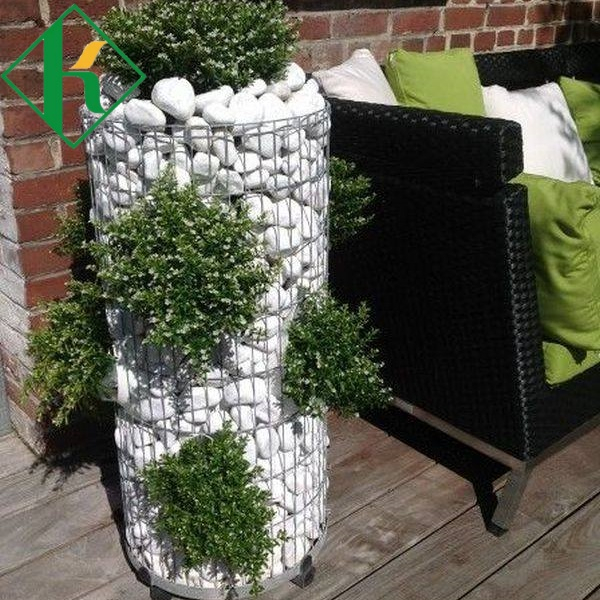
Gabion elements also work well as outdoor furniture. Benches or planters made from gabion cages filled with stones add durability and a natural aesthetic to parks, patios, or commercial spaces.
Combining Functionality with Beauty
Decorative gabions prove you don’t have to sacrifice function for style. They retain soil, reduce erosion, and manage water flow just like their traditional counterparts. Meanwhile, they enhance the visual appeal of any project.
Their permeability supports plant growth, making them perfect for green walls or living fences. Over time, vegetation can soften the stone-filled cages, creating a harmonious blend of hardscape and nature.
In urban settings, decorative gabions can act as sound barriers or windbreaks while adding artistic value. Their modular design makes installation and customization easier than many other materials.
Key Features of Different Gabion Types
Gabions come in various forms, each offering unique features that make them suitable for specific projects. Understanding these key characteristics helps you select the best gabion type for your needs.
Flexibility and Strength
Gabion mattresses and sacks excel in flexibility. Their design allows them to conform to uneven terrain and absorb ground movements without cracking or breaking. This quality is essential in areas prone to soil shifting, floods, or seismic activity. On the other hand, gabion baskets, made from rigid wire mesh, provide exceptional strength and structural support. They maintain shape under heavy loads, making them ideal for retaining walls and steep slopes. The balance between flexibility and strength across gabion types ensures durability and adaptability in diverse environments.
Environmental Friendliness and Cost-Effectiveness
Gabions are eco-friendly solutions. They use locally sourced stones or recycled materials as fill, reducing transportation emissions and material costs. Their permeable structure encourages vegetation growth, which enhances local biodiversity and stabilizes soil naturally. Compared to traditional concrete or masonry, gabions are more cost-effective. They require less specialized labor and can be assembled quickly, saving time and money. Additionally, their long lifespan means fewer repairs or replacements, further reducing expenses over time.
Aesthetic Versatility
Beyond function, gabions offer aesthetic versatility. Decorative gabion elements use varied fill materials—colored stones, glass, or wood—to create visually appealing structures. Thin-wall gabions serve as architectural facades, while gabion baskets and mattresses blend into natural landscapes. Their modular design allows customization in size, shape, and color, fitting both rustic and modern styles. This versatility makes gabions popular in landscaping, urban design, and artistic installations.
Applications Across Industries
Gabions have found their way into many industries thanks to their versatility, durability, and environmental benefits. From military engineering to urban development, these structures offer practical solutions that combine strength and adaptability.
Military Engineering Uses
In military settings, gabions serve critical roles in defense and infrastructure protection. They are often used to build temporary fortifications quickly, providing soldiers with protective barriers against blasts and gunfire. Their modular design allows rapid assembly and disassembly, which is essential during combat or emergency operations.
Gabions also reinforce helicopter landing pads in rough terrains, stabilizing the ground to ensure safe landings. Their permeability helps reduce dust and debris, maintaining clearer landing zones. Additionally, gabions help secure base perimeters by creating barriers that deter intrusions while allowing visibility and airflow.
The flexibility of gabion sacks and baskets makes them ideal for adapting to uneven or shifting ground conditions often encountered in conflict zones. Their corrosion resistance ensures long-term durability even in harsh environments, minimizing maintenance needs.
Environmental Protection Solutions
Gabions play a vital role in preserving natural ecosystems. They are widely used to build wildlife crossing structures that help animals safely navigate roads and highways, reducing accidents and habitat fragmentation. Their permeable design supports vegetation growth, encouraging natural habitats to flourish.
In sustainable drainage systems, gabions manage stormwater by slowing runoff and promoting groundwater recharge. They reduce soil erosion along riverbanks, canals, and coastal areas, protecting land from degradation caused by water flow. Gabions also serve as green wall elements, integrating plants into urban environments to improve air quality and biodiversity.
By using local stones or recycled materials as fill, gabions minimize environmental impact and carbon footprint. Their long lifespan means fewer replacements, reducing waste and resource consumption.
Urban Development and Planning
Cities increasingly embrace gabions in urban design for both functional and aesthetic purposes. Gabion walls act as noise barriers along busy roads, absorbing sound and improving residents' quality of life. They also create durable, attractive seating in public parks and plazas.
Gabions help stabilize slopes in urban areas, preventing landslides and soil erosion on hillsides or excavated sites. Garden terracing with gabion baskets maximizes usable green space on uneven terrain. Urban stream restoration projects often use gabion mattresses to line channels, controlling erosion while enhancing natural water flow.
Decorative gabions add character to cityscapes, combining natural stone textures with modern design. Their modularity allows architects to customize shapes and colors, fitting various urban themes. Gabions also contribute to sustainable urban drainage, reducing flooding risks in densely populated areas.
Conclusion
Gabion baskets, mattresses, sacks, and wire mesh offer flexibility, strength, and durability for various applications. Choosing the right gabion depends on project needs, balancing flexibility and strength. Gabions' future in construction and design looks promising, with increasing use in urban and environmental projects. KaiHeng provides high-quality gabions, offering solutions that blend functionality with aesthetics, ensuring long-lasting and environmentally friendly results. Their products are ideal for engineers and landscapers seeking reliable and cost-effective solutions.
FAQ
Q: What is a Gabion box?
A: A Gabion box, also known as a stone cage, is a wire mesh container filled with stones, used in construction for retaining walls and erosion control.
Q: How are Gabion baskets used in landscaping?
A: Gabion baskets are used in landscaping for building retaining walls, stabilizing slopes, and controlling erosion by holding soil and allowing water drainage.
Q: Why choose Gabion mattresses for erosion control?
A: Gabion mattresses are ideal for erosion control due to their low profile, flexibility, and ability to cover large areas, making them perfect for riverbanks and channels.
Q: What are the benefits of using Gabion sacks in emergencies?
A: Gabion sacks are beneficial in emergencies due to their rapid deployment, flexibility, and ability to stabilize areas quickly with locally sourced fill materials.
Q: How do decorative Gabion elements enhance outdoor spaces?
A: Decorative Gabion elements enhance outdoor spaces by adding texture and color, serving as garden walls or sculptures, while maintaining structural stability and environmental benefits.