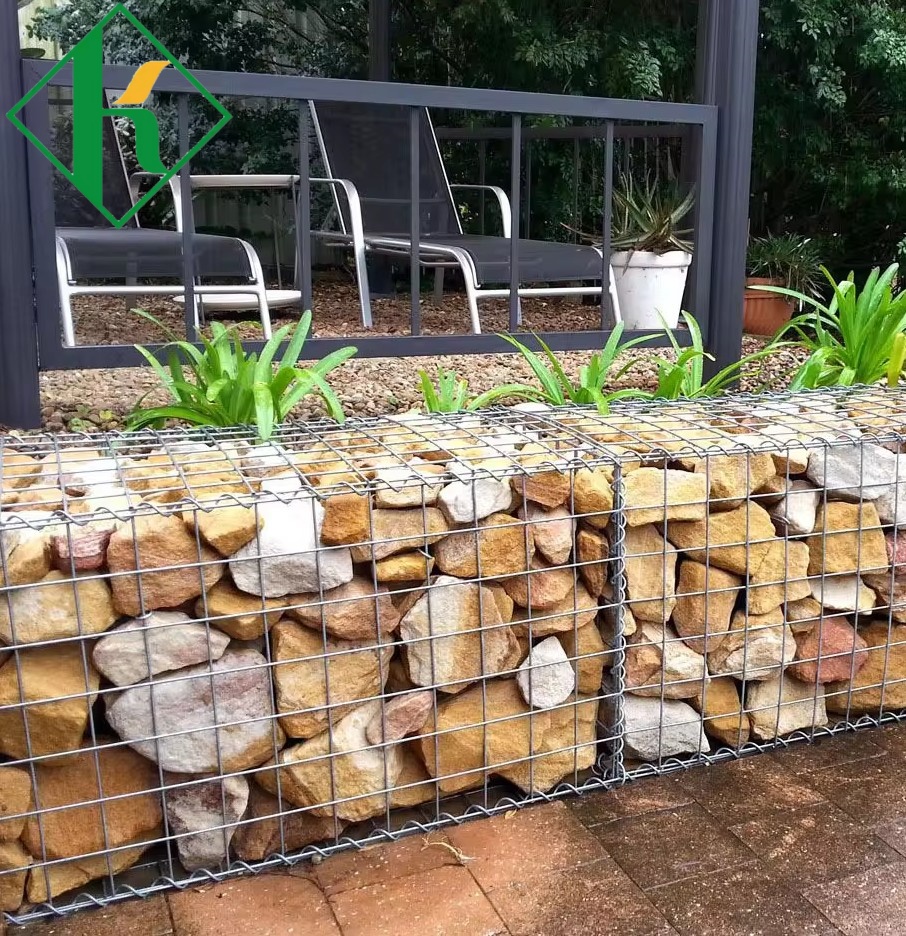
Imagine transforming landscapes with stone cages that blend strength and beauty. What exactly is a gabion box? Choosing the right gabion is crucial for durability and functionality. In this post, you'll learn about gabion boxes, their importance, and diverse applications in construction and landscaping.
Understanding Gabion Boxes
Definition and Structure
Gabion boxes are wire mesh containers filled with stones, rocks, or other durable materials. They form sturdy, flexible structures used in construction and landscaping. Typically, the mesh is made from galvanized steel wire, Galfan-coated wire, or PVC-coated wire to resist corrosion and extend lifespan. The boxes come in various sizes, often rectangular, and are designed to interlock or stack for stability. Their structure allows water to pass through, reducing pressure buildup behind walls or embankments.
Types of Gabion Boxes
There are two main types of gabion boxes based on the wire mesh construction:
● Double Twisted Gabion Boxes: Made from hexagonal mesh wire, twisted twice or thrice for extra strength. Common materials include galvanized wire, PVC-coated wire, or Galfan wire. These are widely used for retaining walls, riverbanks, and slope protection due to their flexibility and durability.
● Welded Gabion Boxes: Constructed from welded steel wire mesh panels, offering higher strength and a solid structure. Often used in architectural and decorative applications like garden landscaping, facades, and interior fireplaces. They provide a neat appearance and can be customized in size and shape.
Both types come in various mesh opening sizes to accommodate different stone sizes, ensuring the fill material remains secure.
Benefits of Using Gabion Boxes
Gabion boxes provide several advantages that make them popular in civil engineering and landscaping projects:
● Durability: Resistant to weather, corrosion, and environmental wear thanks to protective coatings on the wire mesh.
● Flexibility: Adapt to ground movement without cracking or breaking, ideal for unstable soils or seismic areas.
● Permeability: Allow water to drain through, reducing hydrostatic pressure and preventing wall failure.
● Ease of Installation: Modular design simplifies assembly and installation, saving time and labor costs.
● Environmental Compatibility: Use locally sourced stones, promote vegetation growth, and blend naturally into surroundings.
● Cost-Effectiveness: Materials are affordable, and installation requires minimal specialized equipment.
These benefits make gabion boxes an excellent choice for various applications, balancing strength, functionality, and aesthetics.
Tip: When selecting gabion boxes, always match the mesh type and size to your project's stone fill to maximize structural integrity and durability.
Factors to Consider When Choosing Gabion Boxes
Material Selection
Choosing the right material for your gabion boxes is crucial for durability and performance. Most gabion boxes use galvanized steel wire, Galfan-coated wire, or PVC-coated wire.
● Galvanized Steel Wire: This is a popular choice. It features a zinc coating that protects against rust and corrosion. The thickness of this coating can vary, affecting the lifespan. Heavier coatings provide better protection, especially in harsh environments.
● Galfan-Coated Wire: Made from an aluminum-zinc alloy, Galfan wire offers superior corrosion resistance. It forms a protective oxide layer when exposed to elements, making it ideal for coastal or industrial areas. Galfan wire generally lasts twice as long as galvanized wire.
● PVC-Coated Wire: This wire has a plastic coating over the steel, adding extra protection against corrosion and chemical damage. It also allows for color customization, which helps the gabion blend into its surroundings for decorative uses.
Selecting the right wire depends on environmental conditions and the expected lifespan of your project. For example, use Galfan wire in salty or acidic environments, while PVC-coated wire suits polluted or decorative settings.
Structural Requirements
Consider the structural demands of your project. Gabion boxes must withstand loads from soil, water, or other forces.
● Load Capacity: For retaining walls or riverbank protection, choose boxes made from stronger wire with smaller mesh openings to hold stones securely.
● Flexibility: Double twisted gabions offer flexibility, adapting to ground movement without damage. Welded gabions provide rigid support for architectural or decorative structures.
● Reinforcement: Some gabion boxes include internal stiffeners or diaphragms to improve stability and prevent deformation under heavy loads.
Always assess your project's load and environmental stresses before selecting the gabion type and wire gauge.
Size and Dimensions
Gabion boxes come in various sizes to fit different applications. Key dimensions include length, width, and height.
● Standard Sizes: Common dimensions are 3 m × 1 m × 1 m, 2 m × 1 m × 1 m, and 1 m × 1 m × 1 m, but custom sizes are available.
● Height: Gabion boxes typically range from 0.5 m to 1 m tall. Taller boxes are used for higher retaining walls or embankments.
● Mesh Opening Size: Choose mesh sizes based on the stone fill size. Standard mesh openings are 60 mm × 80 mm or 76.2 mm × 76.2 mm. Proper mesh size prevents stone loss and ensures structural integrity.
Selecting the right size ensures stability, ease of installation, and cost-effectiveness. Oversized boxes may be difficult to handle, while undersized boxes may not provide enough support.
Applications of Gabion Boxes
Gabion boxes are incredibly versatile and serve many purposes across construction and landscaping. Their design lets them adapt to various environments, making them a popular choice for several key applications:
Retaining Walls
Gabion boxes are widely used to build retaining walls. Their sturdy wire mesh filled with rocks provides excellent support to hold back soil on slopes or embankments. Unlike rigid concrete walls, gabions flex slightly, which helps them absorb ground movements without cracking. This makes them ideal for hillside stabilization, road embankments, and landscaping terraces. Their permeability allows water to drain through, reducing pressure buildup behind the wall and preventing failure.
Erosion Control
One of the primary uses of gabion boxes is erosion control along riverbanks, shorelines, and slopes. Placing gabions in these areas protects soil from being washed away by water flow or rainfall. The rocks inside gabions absorb and dissipate the energy of flowing water, reducing its erosive force. Gabion structures also encourage vegetation growth over time, which further stabilizes the soil naturally. This eco-friendly approach is favored in environmental restoration projects and infrastructure protection.
Decorative Landscaping
Beyond their functional roles, gabion boxes are popular in decorative landscaping. They can create attractive garden walls, seating areas, planters, and fences. Welded gabion boxes, in particular, offer a clean, modern look suitable for architectural features. By selecting different stone colors and sizes, designers can customize gabions to complement various aesthetic styles, from rustic to contemporary. Their modular nature allows for creative shapes and patterns, enhancing outdoor spaces with both form and function.

Comparing Gabion Boxes and Gabion Mattresses
Structural Differences
Gabion boxes and gabion mattresses share a similar wire mesh and stone fill concept but differ mainly in shape and height. Gabion boxes are typically taller, about 1 meter in height, forming rectangular, rigid containers. This height allows them to stack or interlock, making them ideal for vertical structures like retaining walls.
Gabion mattresses, however, are much flatter, usually ranging from 0.15 m to 0.5 m in height. They present a low-profile, flat structure designed to cover larger surface areas rather than build height. This flatness provides greater stability over slopes or riverbeds, distributing pressure evenly and resisting displacement.
Both types use similar wire materials—galvanized steel, Galfan-coated wire, or PVC-coated wire—but gabion mattresses often have a more flexible mesh to conform to uneven terrain. Gabion boxes may include internal stiffeners to prevent deformation under heavy loads, while mattresses rely on their spread-out form for stability.
Application Differences
Gabion boxes excel in applications requiring height and vertical support. They are perfect for:
● Retaining walls on slopes or terraces
● Riverbank reinforcement where elevation is needed
● Architectural and decorative landscaping features that require upright structures
Gabion mattresses suit projects needing broad, flat coverage and erosion resistance, such as:
● Riverbed and channel lining to prevent scour
● Slope protection where a stable, low-profile barrier is essential
● Foundation stabilization for bridges or culverts
Because mattresses cover more ground area with less height, they reduce soil erosion by dispersing water flow energy over a wider surface.
Choosing the Right Product for Your Project
Selecting between gabion boxes and mattresses depends on your project's structural and environmental needs:
● For vertical support and height: Choose gabion boxes. Their taller structure provides strong, stackable walls that resist soil pressure and offer design flexibility.
● For slope or surface stabilization: Gabion mattresses are preferable. Their flat design offers stability over broad areas, ideal for erosion control and riverbed protection.
● Consider site conditions: Rough, uneven terrain may benefit from the flexibility of mattresses, whereas stable, vertical applications suit rigid boxes.
● Material and mesh size: Match the mesh opening size to the stone fill to prevent loss and ensure durability in both types.
● Load and environmental exposure: Gabion boxes may require stiffeners or thicker wire for heavy loads; mattresses rely on their spread-out form but still need corrosion-resistant materials for longevity.
By understanding these differences, you can optimize your gabion selection for cost-effectiveness, durability, and performance.
Selecting the Right Stones for Gabion Boxes
Size and Shape Considerations
Choosing the right stone size is crucial for gabion stability. Stones must be larger than the mesh openings to prevent them from falling out. For standard gabion boxes, stones typically range from 60 mm to 150 mm in diameter. Larger stones provide better interlocking, which increases structural strength and reduces movement inside the box.
Shape also matters. Angular or irregular stones lock together tightly, creating a stable fill that resists shifting. Rounded stones, while aesthetically pleasing, may not interlock as well and can shift more easily under pressure. For erosion control or retaining walls, angular stones are preferred for their mechanical stability, while rounded stones suit decorative gabions where appearance is a priority.
Durability and Longevity
Durability is key to ensuring gabion boxes last through weather and time. Stones should be hard, dense, and resistant to weathering. Common durable materials include granite, basalt, and quartzite. These rocks withstand freeze-thaw cycles, abrasion, and chemical exposure.
Avoid soft stones like limestone or sandstone in areas exposed to harsh climates or water flow, as they degrade faster. Using durable stones extends the life of your gabion structure and reduces maintenance costs.
Color and Aesthetic Impact
Stone color affects the visual appeal of gabion boxes, especially in landscaping or architectural projects. Natural earth tones like grays, browns, and tans blend well into most environments, creating a subtle, natural look.
For a bold statement, select stones with vibrant colors such as white marble, red granite, or black basalt. Mixing different colors or stone types can create patterns or textures, enhancing design creativity.
Consider the surrounding environment and project purpose when choosing colors to ensure your gabion complements the landscape or architectural style.
Installation and Maintenance of Gabion Boxes
Site Preparation
Proper site preparation is key for a successful gabion installation. First, clear the area of debris, vegetation, and loose soil. The ground must be level and stable to support the gabion structure. For retaining walls or embankments, excavate a trench or lay a compacted gravel base to create a firm foundation. This prevents settling or shifting after installation.
Drainage should be considered early. Since gabions allow water flow, ensure the site has good drainage to avoid water pooling behind the structure. Sometimes, installing a geotextile fabric beneath or behind gabions helps separate soil and prevent erosion while allowing water passage.
Assembly Process
Gabion boxes typically arrive flat-packed or as panels. Assemble them on-site by connecting sides using lacing wire, spiral binders, or U-clips depending on the gabion type. Start by forming the base, then attach the sides and diaphragms if included, which help maintain shape and distribute stone load evenly.
Once assembled, fill the gabion with stones. Place larger stones around edges for stability and smaller stones inside to fill gaps. Compact the fill as you go to reduce movement. Avoid overfilling, which can deform the mesh. After filling, close the top panel securely to lock the stones in place.
For taller structures, stack gabion boxes and connect them firmly to create a stable wall. Use internal stiffeners or tie wires to reinforce the structure if required.
Maintenance Tips
Gabions require minimal maintenance but regular inspections help prolong their lifespan. Check for:
● Wire mesh corrosion or damage, especially in harsh environments
● Displaced or missing stones that can weaken the structure
● Vegetation growth that may exert pressure or hide damage
Repair minor wire breaks promptly with patch kits or by replacing sections. Remove invasive plants that could disrupt the gabion's integrity. Clean debris from drainage areas to maintain water flow.
Over time, vegetation may grow through gabions, blending them naturally into the landscape. This is beneficial but monitor roots to prevent structural issues.
Conclusion
Gabion boxes, made from durable wire mesh, offer flexibility and strength for construction and landscaping. They come in two types: double twisted and welded, each suited for specific applications. When choosing gabion boxes, consider material, structural needs, and size for optimal performance. As gabion use grows, future trends may include more eco-friendly designs. KaiHeng provides high-quality gabion boxes tailored to diverse needs, ensuring durability and aesthetic appeal in various projects.
FAQ
Q: What is a gabion box; stone cage?
A: A gabion box, also known as a stone cage, is a wire mesh container filled with stones or rocks, used in construction and landscaping for retaining walls, erosion control, and decorative purposes.
Q: How do I choose the right gabion box; stone cage material?
A: Select the material based on environmental conditions: galvanized steel for general use, Galfan-coated wire for coastal areas, and PVC-coated wire for decorative or polluted environments.
Q: Why use gabion boxes; stone cages for retaining walls?
A: Gabion boxes offer flexibility, durability, and permeability, allowing them to absorb ground movements and reduce pressure buildup, making them ideal for retaining walls.