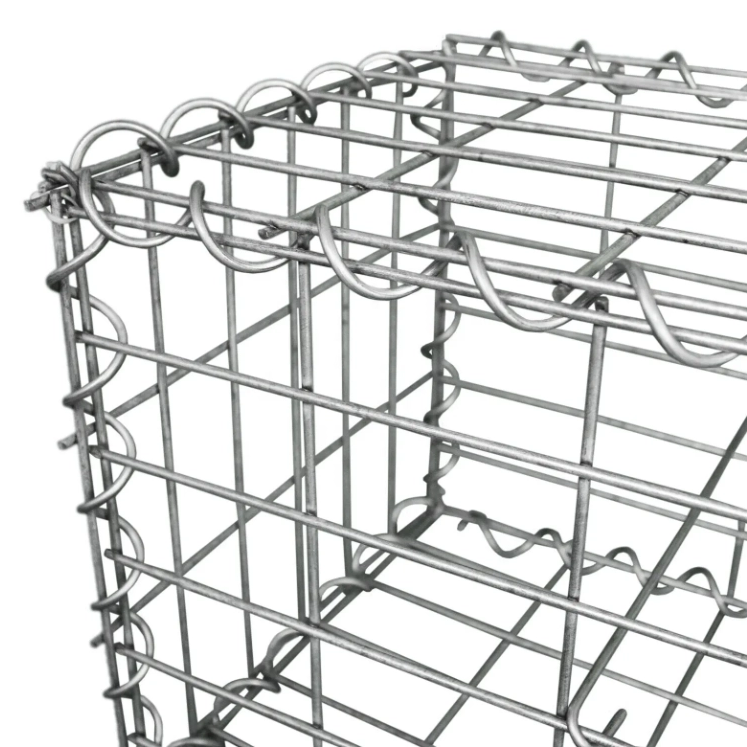
Ever wondered how to tackle erosion or build a sturdy retaining wall? Gabion boxes, made from gabion wire mesh, offer a practical solution. Choosing the right size and material is crucial for project success. In this post, you'll learn about gabion box types, sizes, materials, and their applications in various projects.
Understanding Gabion Box Sizes
Factors Affecting Gabion Box Size
Choosing the right gabion box size depends on several factors. First, the project's purpose plays a big role. For erosion control, larger boxes offer more stability. Retaining walls might require medium to large sizes for strength, while landscaping often uses smaller boxes for aesthetic appeal.
Environmental conditions also matter. Harsh weather or unstable soil may call for bigger, sturdier gabions. The terrain and load they must carry influence size as well. For example, a gabion wall holding back soil needs a size that can bear significant weight.
Another factor is the wire gauge used in construction. Thicker wire allows for larger boxes because it can handle more stress. Mesh opening size impacts what stone sizes can fill the gabion, affecting both function and appearance.
Standard Sizes for Different Applications
Gabion boxes come in standard sizes tailored to common uses:
● Erosion Control: Sizes range from about 2 ft x 1 ft x 1 ft to 6 ft x 3 ft x 3 ft. Larger boxes provide better protection against soil loss on slopes and riverbanks.
● Retaining Walls: Common sizes include 3 ft x 3 ft x 3 ft or 4 ft x 4 ft x 4 ft. These dimensions balance strength and ease of installation.
● Landscaping: Smaller boxes, like 1 ft x 1 ft x 1 ft or 2 ft x 2 ft x 2 ft, work well for decorative features in gardens or parks.
These sizes follow industry standards such as those from ASTM, ensuring quality and reliability.
Impact of Wire Gauge on Size
The wire gauge affects both the gabion’s strength and possible size. Wire gauge measures thickness; lower numbers mean thicker wire. For example, 10-gauge wire is thicker than 12-gauge.
Thicker wire supports heavier loads and bigger gabion boxes. This is crucial for projects needing high durability, like large retaining walls or flood control. Thinner wire suits smaller boxes or decorative uses where loads are lighter.
Mesh openings, typically 2.5 to 3 inches, must match stone sizes to prevent material loss. Wire gauge and mesh size together determine gabion box durability and performance.
Tip: Always match gabion box size and wire gauge to your project's load and environmental conditions to ensure long-lasting, stable structures.
Materials Used in Gabion Boxes
Gabion boxes come in various materials, each suited to different project needs and environmental conditions. Choosing the right material ensures durability, performance, and cost-effectiveness.
Galvanized Steel Gabions
Galvanized steel gabions are the most common type. They use steel wire coated with zinc, which protects against rust and corrosion. This coating extends the gabion’s life to about 25 years under normal conditions. They work well for general erosion control and retaining walls where exposure to moisture is moderate. However, in highly acidic soils or polluted environments, galvanized steel alone may corrode faster.
PVC Coated Steel Gabions
PVC coated steel gabions add an extra protective layer over galvanized steel. After galvanizing, the steel wire is coated with a thick PVC layer. This coating prevents water and chemicals from reaching the metal, greatly improving corrosion resistance. PVC coated gabions are ideal for harsh environments like acidic soils, polluted water, or coastal areas. They last longer than plain galvanized gabions and maintain their structural integrity better in extreme conditions.
Stainless Steel Gabions
Stainless steel gabions offer superior corrosion resistance without additional coatings. Made from 304 or 316L stainless steel, they resist rust even in marine or highly corrosive environments. Stainless steel is also fire-resistant and requires minimal maintenance. These gabions are popular for architectural projects where appearance matters, as they maintain a clean, bright look over time. They tend to be more expensive but provide excellent longevity.
Polypropylene Plastic Gabions
Polypropylene (PP) plastic gabions are a non-metal alternative. Made from UV-stabilized plastic, they resist corrosion and chemical damage in marine or wet environments. PP gabions are flexible, adapting well to uneven terrain. They are lightweight and easier to handle, making installation faster. These gabions are often used for shoreline protection and wave energy dissipation. While less strong than steel, they provide good durability in the right applications and can be more budget-friendly.
Choosing the Right Size for Your Project
Assessing Project Scope and Requirements
Start by defining your project’s size and purpose. A small garden feature needs smaller gabion boxes, while large retaining walls or erosion control projects require bigger, sturdier boxes. Think about the overall dimensions of the structure and how much fill material you’ll need. Also, consider if the gabions must blend into the landscape or stand out as a design element.
For example, a garden planter might use 1 ft x 1 ft x 1 ft boxes, but a riverbank stabilization project could need gabions up to 6 ft x 3 ft x 3 ft. The project timeline matters too—larger boxes might take longer to fill and install.
Evaluating Environmental Conditions
Look closely at the environment where you’ll place the gabions. Harsh weather, soil type, and exposure to water all influence size choice. In areas with heavy rainfall or unstable soil, larger boxes provide better stability. Coastal projects exposed to saltwater may need not only bigger sizes but also special materials to resist corrosion.
Terrain plays a role as well—uneven or sloping ground may require smaller, more flexible gabion units that adapt to the shape of the land. For flood-prone zones, gabions must be sized to withstand water pressure and debris impact.
Load-Bearing Capacity Considerations
Your gabion boxes must handle the weight and forces acting on them. This includes soil pressure, water flow, and any additional loads like vehicles or structures above. Larger gabions with thicker wire mesh support heavier loads.
Calculate the expected load carefully. For retaining walls, the height and soil type determine the pressure on the gabion. For erosion control, consider water velocity and volume. Using the right gabion size ensures the structure won’t collapse or deform over time.
Consult engineering guidelines or experts if uncertain. Overbuilding with larger gabions can increase costs unnecessarily, while undersized boxes risk failure.
Selecting the Appropriate Material
Corrosion Resistance Needs
Choosing gabion box material depends largely on corrosion resistance requirements. Environments with high moisture, acidic soils, or saltwater exposure demand materials that resist rust and degradation. For typical conditions, galvanized steel offers solid protection through its zinc coating, lasting about 25 years. In harsher settings, PVC-coated steel provides an extra barrier, preventing water and chemicals from reaching the metal. Stainless steel, especially marine-grade types, resists corrosion naturally and suits coastal or industrial sites. Polypropylene plastic gabions also resist corrosion well, ideal for marine environments where metal corrosion is a concern.
Environmental Impact and Sustainability
Sustainability is increasingly important in material selection. Steel gabions, while durable, involve energy-intensive production and mining. Using recycled steel can reduce environmental footprint. PVC coatings add durability but involve plastics, which may raise environmental concerns. Stainless steel has a long lifespan, reducing replacement frequency and waste. Polypropylene plastic gabions are lightweight and recyclable, but their production relies on fossil fuels. Considering local environmental regulations and project goals helps balance durability and ecological impact.
Budget and Cost Considerations
Budget plays a key role. Galvanized steel gabions are generally the most cost-effective for standard projects. PVC-coated steel costs more but offers longer life in aggressive environments, potentially saving money over time. Stainless steel is the most expensive upfront but excels in longevity and minimal maintenance, suitable for high-profile or marine projects. Polypropylene plastic gabions often cost less than stainless steel and handle marine conditions well, but may not match steel’s strength. Evaluating lifecycle costs, including installation and maintenance, ensures the best value.

Installation and Maintenance of Gabion Boxes
Preparation and Site Assessment
Before installing gabion boxes, thoroughly assess the site. Check soil stability, drainage, and slope conditions. Clear debris and level the ground to ensure a solid base. Proper preparation prevents shifting or settling after installation. Mark the layout clearly to match your project design, considering access for equipment and material delivery.
Evaluate environmental factors like water flow or freeze-thaw cycles that may affect gabion performance. For example, in flood-prone areas, ensure gabions are placed above expected water levels or reinforced accordingly. Also, verify local regulations or permits required for gabion installation.
Installation Techniques
Gabion boxes require careful assembly and filling for optimum strength. Start by unfolding and positioning the empty gabion baskets according to your plan. Connect adjacent boxes securely using spiral binders, lacing wire, or hog rings to maintain structural integrity.
Fill gabions with durable, appropriately sized stones. Use stones larger than the mesh openings to prevent loss. Place stones carefully to minimize voids and create a stable, interlocked fill. For larger structures, fill from the bottom up, compacting as you go to avoid sagging.
Stack gabion boxes in tiers for retaining walls or stepped erosion control structures. Overlap or stagger joints to enhance stability. In some cases, geotextile fabric beneath or behind gabions improves soil retention and drainage.
Long-term Maintenance Tips
Gabion boxes are low-maintenance but benefit from periodic inspection. Check for wire corrosion, broken mesh, or displaced stones, especially after severe weather events. Repair any damaged sections promptly to avoid structural failure.
Keep vegetation under control around gabions to prevent root intrusion that might displace stones or damage mesh. However, some plants growing through gabions can enhance stability by binding soil.
Ensure drainage remains effective to prevent water buildup behind gabions, which could increase pressure and cause deformation. Clean sediment or debris from drainage paths as needed.
If using PVC-coated or stainless steel gabions, maintenance needs are lower, but still inspect for mechanical damage or environmental wear.
Common Applications of Gabion Boxes
Erosion Control
Gabion boxes are excellent for erosion control on riverbanks, slopes, and shorelines. Their heavy stone fill and sturdy wire mesh create a strong barrier that stabilizes soil and prevents washouts. Larger gabions, often measuring up to 6 ft x 3 ft x 3 ft, provide the mass needed to resist water flow and soil movement. Their permeability allows water to pass through while holding soil in place, reducing pressure buildup behind the structure. This makes them ideal for protecting vulnerable areas from flooding and soil loss.
Retaining Walls
Gabion boxes build durable retaining walls that support soil and prevent landslides. Medium to large sizes, like 3 ft x 3 ft x 3 ft, balance strength and ease of installation. Their flexible structure adapts to ground movement without cracking, unlike rigid concrete walls. By stacking gabions in tiers and securely connecting them, you create a stable wall that can bear significant load. Filling gabions with angular stones ensures tight packing and structural integrity. These walls also allow drainage, reducing hydrostatic pressure behind them, which is crucial for long-term stability.
Landscaping and Decorative Uses
Smaller gabion boxes, such as 1 ft x 1 ft x 1 ft or 2 ft x 2 ft x 2 ft, add aesthetic appeal to gardens and parks. They can form benches, planters, fences, or decorative walls. Their natural stone fill blends with outdoor environments, and the wire mesh can be coated or stainless steel for a sleek look. Gabions also allow plants to grow through them, softening their appearance and enhancing green spaces. Designers appreciate their versatility and ability to combine functionality with visual appeal.
Conclusion
When selecting a gabion box, consider factors like project purpose, environmental conditions, and load-bearing needs. The right size and material ensure durability and cost-effectiveness. Gabion boxes are versatile for erosion control, retaining walls, and landscaping. As designs evolve, expect more sustainable and efficient options. KaiHeng offers high-quality gabion solutions that meet diverse project requirements, providing long-lasting value and performance.
FAQ
Q: What is a gabion box and how is it used in construction?
A: A gabion box is a wire mesh container filled with stones, used in construction for erosion control, retaining walls, and landscaping. The gabion wire mesh provides stability and allows water drainage, preventing soil washouts.
Q: How do I choose the right gabion box size for my project?
A: Select the gabion box size based on your project's purpose, environmental conditions, and load requirements. Larger boxes suit erosion control, while smaller ones are ideal for landscaping. Consider wire gauge and mesh size for durability.
Q: Why is gabion wire mesh important in gabion boxes?
A: Gabion wire mesh is crucial for structural integrity, preventing stone loss and ensuring stability. It supports the box's load and adapts to environmental conditions, making it essential for long-lasting gabion structures.
Q: What materials are commonly used for gabion boxes?
A: Gabion boxes are made from galvanized steel, PVC-coated steel, stainless steel, and polypropylene plastic. Each material offers different levels of corrosion resistance, durability, and cost-effectiveness depending on environmental conditions.