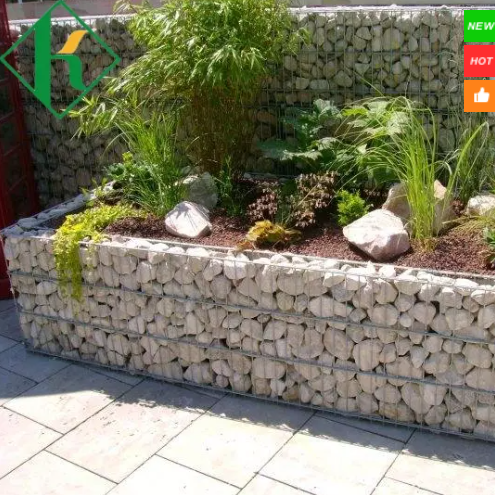
Ever wondered how a simple garden fence can transform your outdoor space? A garden fence not only adds charm but also protects your plants from pests and creates a safe haven for pets and children. In this post, you'll learn how to plan, prepare, and build a durable garden fence step by step, ensuring both functionality and aesthetic appeal.
Planning Your Garden Fence
Assessing Your Needs
Before building a garden fence, think about what you want it to do. Do you need to keep out deer, rabbits, or other critters? Maybe pets or kids need a safe space inside. Also, consider the size of your garden and how much access you need for tools or wheelbarrows. Assessing these needs helps you choose the right fence height, strength, and gate placement. For example, taller fences (6 to 8 feet) work best for deer, while shorter ones can keep out rabbits.
Choosing the Right Materials
Materials affect durability, cost, and appearance. Wood offers a natural look but requires maintenance like staining or sealing. Pressure-treated lumber resists rot better for long-lasting fences. Metal options, such as galvanized wire mesh or welded wire, are great for keeping out small animals and are low maintenance. Vinyl fences look clean and last long but may cost more upfront. Combining materials can work well—for instance, wooden posts with wire mesh panels provide strength and visibility. Consider your climate too; wet areas need rot-resistant materials.
Designing the Layout
Plan the fence shape and size carefully. Use stakes and string to mark the perimeter on the ground. Measure distances between posts, ideally spacing them 6 to 8 feet apart for stability. Include gate locations where you want easy access; gates should be wide enough for wheelbarrows or garden tools. Think about the terrain—slopes may require taller posts or stepped fence sections to keep the top level. Sketching a scaled drawing helps visualize the layout and calculate materials needed, saving time and money later.
Tip: When planning your garden fence, measure twice and mark post locations clearly to ensure even spacing and a sturdy, professional-looking structure.
Preparing the Site
Clearing the Area
Start by clearing the fence line of any plants, rocks, or debris. Remove grass, weeds, and roots where the fence will go. This prevents future damage and makes digging easier. If the area has bushes or small trees, trim or remove them to avoid interference with fence posts. Clearing ensures a clean workspace and a smooth installation process.
Measuring and Marking
Next, measure the perimeter of your garden where the fence will stand. Use a tape measure to determine the length and width. Mark the corners first by placing stakes at each one. Then, stretch string tightly between stakes to outline the fence line. Mark post locations along the string, spacing them evenly—usually 6 to 8 feet apart. Use spray paint or flags to highlight these spots. Accurate measuring and marking help keep the fence straight and sturdy.
Understanding Soil and Terrain Considerations
Soil type and terrain affect how you prepare post holes and install the fence. Sandy soil drains well but may need deeper holes for stability. Clay soil holds moisture, which can cause wood rot; choose pressure-treated posts or add gravel at the bottom of holes for drainage. Rocky soil might require special tools or adjustments to post placement. For uneven terrain or slopes, consider stepping the fence or adjusting post heights to maintain a level top line. Knowing your soil and terrain guides you in digging holes correctly and choosing materials that last.

Building the Fence Structure
Installing Fence Posts
Start by setting your fence posts firmly in the ground. These posts form the backbone of your fence, so they need to be sturdy and well-aligned. Dig holes about one-third as deep as the post length to ensure stability—usually around 2 to 3 feet deep. The diameter should be roughly three times the width of the post. For example, a 4x4-inch post requires an 8 to 12-inch diameter hole.
Place gravel or drainage stone at the bottom of each hole to prevent water from pooling and causing rot. Then, position the post upright, checking it with a level to make sure it’s perfectly vertical. Backfill the hole with soil or concrete, tamping it down firmly as you go to eliminate air pockets.
Make sure posts are spaced evenly, typically 6 to 8 feet apart, depending on your fence design and materials. Corner and gate posts should be extra sturdy, often set deeper or reinforced with concrete, as they bear more stress.
Attaching Rails
Once the posts are set and solid, it’s time to attach the rails. Rails connect the posts and provide support for the fencing material. Use horizontal rails, usually 2x4 or 2x6 lumber, and attach them between posts at the desired heights.
Start by marking the rail positions on each post. Commonly, fences have two rails: one near the top and one near the bottom. For taller fences, a middle rail may be necessary for added support.
Cut rails to fit snugly between posts. Secure them using galvanized screws or nails to resist rust. If your posts have notches or grooves, fit the rails into these for extra stability.
Check the alignment and level of rails as you go, ensuring the fence will be straight and visually appealing.
Ensuring Stability and Alignment
Stability and alignment are key for a fence that lasts. After installing posts and rails, double-check that everything is level and plumb. Use a string line stretched tightly between corner posts to guide your work and keep the fence straight.
If your terrain is uneven, adjust post heights or use stepped rails to maintain a consistent fence top line. This prevents gaps and uneven appearance.
Brace corners and gate posts diagonally if needed, especially for larger fences. This extra support prevents leaning and sagging over time.
Regularly inspect your work during construction. A well-aligned, stable fence not only looks better but withstands weather and use far longer.
Installing the Fencing Material
Choosing the Right Fencing Type
Selecting the correct fencing material is crucial. It depends on what you want to keep out and the look you prefer. For example, welded wire mesh works well to block rabbits and dogs. It’s sturdy and lets sunlight through, so plants grow well. For smaller critters like moles or woodchucks, burying PVC-coated galvanized wire underground is smart. This stops them from digging under the fence.
Wood panels provide privacy and a classic look but may need more upkeep. Vinyl fencing lasts long and resists weather but can cost more. Combining materials often works best. For instance, wooden posts and rails with wire mesh panels offer strength and visibility. Always think about your local climate and how much maintenance you’re ready for.
Securing the Fencing Panels
Once you’ve chosen your fencing, attach it securely to the fence structure. Start at one corner post and unroll the fencing along the rails. Use galvanized staples or fencing nails every 18 inches to fasten the material. Make sure the fencing sits tight against the rails without sagging. For wire mesh, use fencing pliers or linesman pliers to cut and twist the wire ends neatly around posts.
If you bury fencing underground, dig a trench about 12 inches deep along the fence line. Lay the wire in the trench and bend it outward at the bottom to create a shelf. This shelf stops animals from digging under. Backfill the trench with soil and tamp it down firmly to keep the wire in place. Repeat this for all sides, ensuring the fencing panels overlap slightly or connect firmly at posts.
Preventing Animal Intrusion
To keep animals out effectively, consider multiple barriers. Above ground, use tight mesh or welded wire to block larger animals. Below ground, bury wire fencing or hardware cloth to deter burrowers. Secure all edges firmly to posts and rails so animals can’t push through gaps.
Check for any holes or weak spots regularly. Over time, animals may try to chew or dig, so maintenance is key. Adding a gate with a secure latch helps control access while keeping pests out. You might also add a small strip of gravel or mulch along the fence base to discourage digging.
By combining these methods, your garden fence becomes a strong defense against unwanted visitors, protecting your plants and produce.
Building a Garden Gate
Designing the Gate
Designing a garden gate starts with deciding its size and style. Your gate should be wide enough for easy access—think about wheelbarrows, garden carts, or even just walking through comfortably. A typical width ranges from 3 to 4 feet. Height usually matches the fence to keep a consistent look.
Choose a simple rectangular frame made from sturdy wood, like 2x4s or 2x6s. You can add a decorative arch or cross braces for extra strength and style. Cross braces installed diagonally prevent sagging by distributing weight evenly. Sketch your design before cutting any wood to ensure all parts fit together well.
Consider how the gate will open—swinging in or out—and where the hinges will attach. Make sure the gate fits snugly between the posts but leaves enough clearance to open smoothly.
Installing Hinges and Latches
Once your gate frame is built, it’s time to hang it. Use heavy-duty strap hinges or butt hinges designed for outdoor use. Attach hinges securely to both the gate and the post, using long screws to hold them firmly.
Position the hinges so the gate swings freely without dragging on the ground. You might need to shim the gate slightly to achieve perfect alignment. For stability, install two hinges: one near the top and one near the bottom of the gate.
Next, install a latch that suits your needs. Simple gravity latches are easy to use but may not lock securely. For more security, use a gate latch with a lock or a slide bolt. Attach it at a comfortable height and test it several times to ensure smooth operation.
Ensuring Smooth Operation
To guarantee your garden gate opens and closes easily, check the alignment carefully. The gate should hang level and not sag over time. If it sags, adjust the hinges or add a diagonal brace.
Add shims between the gate and posts if the fit is too tight. This prevents rubbing or sticking, especially important in humid or wet weather when wood can swell.
Consider installing a gate stop or bumper to prevent the gate from swinging too far and damaging the fence or itself. Also, a self-closing hinge or spring can keep the gate shut automatically, which is handy for keeping animals out.
Regularly inspect the gate hardware and tighten screws as needed. Lubricate hinges occasionally to reduce squeaking and wear.
Finishing Touches
Staining and Protecting Wood
After building your garden fence, staining and protecting the wood is crucial. Wood exposed to sun, rain, and soil can quickly deteriorate if left untreated. Applying a good-quality stain or sealant preserves the wood’s natural beauty and extends its lifespan.
Choose a stain designed for outdoor use. Semi-transparent stains add color while showing the wood grain, while solid stains provide more coverage and protection. Before staining, clean the wood surface and sand any rough spots. Apply the stain evenly using a brush or sprayer, working along the grain. Two coats usually provide the best protection.
Don’t forget to stain or seal cut ends and post holes, as these areas absorb moisture more easily. Reapply stain every 2 to 3 years or as needed, especially after harsh winters or heavy rains. This maintenance prevents rot, warping, and cracking.
Adding Decorative Elements
Once the fence is sturdy and protected, consider adding decorative touches to enhance your garden’s look. Decorative elements can personalize your fence and make it a charming feature in your yard.
Options include:
| Post caps | These protect the tops of fence posts and add style. Choose from wood, metal, or plastic caps in various shapes like flat, pointed, or decorative finials. |
| Lattice panels | Attach lattice to the top of the fence for added height and a classic look. It also allows climbing plants to grow. |
| Planter boxes | Mount flower boxes or hanging planters to posts or rails to add color and greenery. |
| Decorative hardware | Use ornamental hinges, latches, or brackets on gates for a unique touch. |
| Painted designs | Stencil or paint simple patterns or motifs on fence panels for a playful effect. |
Make sure any added decorations are weather-resistant and securely fastened to avoid damage.
Maintaining Your Garden Fence
Regular maintenance keeps your fence looking good and functioning well for years. Here are some key tasks:
Inspect for damage: Check posts, rails, and panels yearly for rot, cracks, or loose nails and screws. Repair or replace damaged parts promptly.
Clean the fence: Remove dirt, mold, and mildew using a mild detergent and water or a power washer on a low setting.
Re-stain or seal: As mentioned, reapply stain or sealant every few years to protect the wood.
Trim vegetation: Keep plants, vines, and grass trimmed away from the fence to prevent moisture buildup and insect damage.
Check gate hardware: Lubricate hinges and latches annually to ensure smooth operation.
Taking these steps will prolong your fence’s life and keep your garden secure and attractive.
Conclusion
Building a garden fence involves assessing needs, choosing materials, and designing the layout. Proper site preparation, post installation, and attaching rails ensure stability. Selecting the right fencing type and securing panels prevent animal intrusion. A garden fence provides privacy, protection, and aesthetic enhancement. Start your project today with Kaiheng's high-quality fencing solutions, offering durability and style. Their products ensure long-lasting fences that enhance garden beauty and security.
FAQ
Q: What materials are best for building a garden fence?
A: For a garden fence, pressure-treated wood, galvanized wire mesh, and vinyl are popular choices due to durability and low maintenance.
Q: How high should a garden fence be to keep out deer?
A: A garden fence should be 6 to 8 feet tall to effectively keep out deer.
Q: Why is it important to understand soil and terrain when building a garden fence?
A: Understanding soil and terrain helps ensure the stability of your garden fence by guiding proper post installation and material choice.