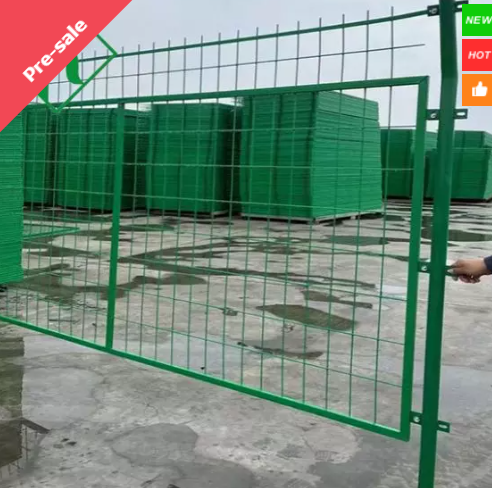
Ever wondered how to build a sturdy wire mesh fence? The secret lies in post spacing. Proper spacing ensures durability and strength. In this post, you'll learn what a wire mesh fence is, why post spacing matters, and guidelines to follow for optimal results.
Understanding Wire Mesh Fence Post Spacing
When planning your wire mesh fence, understanding the right post spacing is crucial. Several factors influence how far apart you should place your fence posts, and getting this right ensures your fence stays strong and lasts long.
Factors Affecting Post Spacing
Type of Wire Mesh: Different wire mesh types, like standard field wire or high-tensile wire, require different post distances. High-tensile wire can usually stretch farther between posts because it’s stronger.
Animal Pressure: If you’re fencing animals that lean or push on the fence, like cattle or horses, closer post spacing helps prevent sagging or damage.
Soil Conditions: Loose or sandy soil may need posts placed closer together to avoid leaning or instability.
Fence Height: Taller fences catch more wind and may need posts closer together for extra support.
Climate and Weather: Areas with strong winds, heavy snow, or ice loads require tighter post spacing to handle the extra stress.
Standard Post Spacing for Wire Mesh Fences
Generally, wire mesh fence posts are spaced between 8 and 12 feet apart. Here’s a quick breakdown:
| Wire Mesh Type | Typical Post Spacing |
| Standard field wire | 8 to 10 feet |
| High-tensile wire mesh | 15 to 25 feet |
| Heavy-duty or livestock | 8 to 12 feet |
This range balances cost and durability. Closer spacing means more posts and higher costs but stronger support. Wider spacing saves money but risks sagging or damage under pressure.
Impact of Terrain and Climate on Post Spacing
Uneven Terrain: Hills, slopes, or rocky ground require closer post spacing or additional brace posts. This keeps the fence tight and prevents gaps.
Windy Areas: Wind can push fences, so posts should be closer, especially for taller fences.
Snow and Ice Loads: Heavy snow or ice adds weight to the fence, so posts need to be spaced closer to handle the load.
Temperature Fluctuations: In regions with freeze-thaw cycles, post stability can be affected. Closer spacing and deeper footings help maintain fence integrity.
In summary, while 8 to 12 feet is a good rule of thumb, always consider your specific conditions. Adjust spacing based on mesh type, animal pressure, soil, and climate to ensure a fence that stands strong for years.
Tip: When installing wire mesh fences, always reduce post spacing on slopes or in windy areas to maintain fence tension and prevent sagging.
Types of Wire Mesh Fences and Their Post Spacing
When choosing wire mesh fencing, understanding the types and their specific post spacing needs helps ensure a strong, lasting fence.
Panel Fences vs. Rolled Mesh Fences
Panel fences come as rigid, pre-made sections attached between posts. Because panels have fixed widths, post spacing must match panel widths exactly—often 6.5 to 8 feet apart. This precise spacing keeps panels straight and secure, preventing gaps or sagging.
Rolled mesh fences use wire mesh rolls unrolled and stretched along posts. This flexibility lets you adjust post spacing more easily, commonly 6 to 10 feet apart. Posts closer together give stronger support but increase cost; wider spacing saves money but risks sagging.
Spacing Recommendations for Different Wire Mesh Types
Standard field wire: Posts usually 8 to 10 feet apart. This spacing balances strength and cost for general use.
High-tensile wire mesh: Can span 15 to 25 feet between posts because the wire is stronger and resists stretching.
Heavy-duty or livestock mesh: Often requires closer spacing, 8 to 12 feet, to withstand animal pressure and prevent damage.
Spacing also depends on how tightly you tension the wire and the fence's height.
Special Considerations for High-Tensile Wire Mesh
High-tensile wire is strong and flexible, allowing posts to be spaced farther apart. But it needs careful installation:
Posts must be firmly anchored, often set in concrete.
Brace posts at corners, gates, and ends must be extra sturdy to handle tension.
Line posts can be spaced wider, but avoid exceeding 25 feet to prevent sagging.
Tensioning tools are essential to stretch the wire properly between posts.
Using high-tensile wire can reduce post numbers, saving money and labor. However, improper spacing or weak posts may cause fence failure.
How to Measure and Mark Post Spacing
Measuring and marking the spacing for your wire mesh fence posts is a key step that sets the foundation for a sturdy fence. Doing it right helps avoid costly mistakes, keeps the fence straight, and ensures proper tension in the mesh. Here’s how to prepare and mark your post locations accurately.
Tools Needed for Marking Post Spacing
Before starting, gather these essential tools:
Measuring tape: A long tape measure (at least 50 feet) to measure distances accurately.
String line: A strong, thin string to mark a straight fence line.
Stakes or markers: Wooden or metal stakes to mark post locations.
Chalk or spray paint: For marking spots on the ground.
Hammer or mallet: To drive stakes into the ground.
Level (optional): To check post vertical alignment after placement.
Having these tools ready makes marking faster and more precise.
Step-by-Step Guide to Measuring Post Spacing
Plan your fence line: Use a property map or sketch to decide the fence path. Identify corners, gates, and any obstacles.
Set corner and end posts first: These are your fence’s anchors. Place stakes at these points and drive them firmly into the ground.
Stretch a string line: Tie the string tightly between corner/end stakes. This line acts as a guide for placing line posts.
Measure post spacing along the string: Depending on your fence type and mesh, measure the recommended distance (e.g., 8 feet for standard mesh, up to 25 feet for high-tensile wire).
Mark post positions: Use chalk or spray paint to mark the ground at each measured spot. Alternatively, place stakes at these points for easier visibility.
Double-check measurements: Verify distances between marks to avoid cumulative errors. Even small mistakes can cause sagging or misalignment.
Adjust for terrain: On slopes or uneven ground, consider placing posts closer together to maintain tension and stability.
Common Mistakes to Avoid
Skipping corner and end post placement: These posts hold the fence tension; missing them leads to weak spots.
Not using a string line: Without it, posts may not align straight, causing fence sagging.
Ignoring measurement errors: Small errors add up, which can throw off your entire fence length.
Spacing posts too far apart: This causes mesh sagging and reduces fence strength.
Failing to adjust for obstacles or terrain: Posts must be placed to accommodate hills, rocks, or other features.
Following these steps helps ensure your posts are spaced correctly and your fence stays strong and straight.

Installation Tips for Wire Mesh Fence Posts
Installing wire mesh fence posts correctly is key to building a fence that lasts. Proper preparation, solid footing, and careful alignment help your fence stay strong against weather, animals, and time. Here’s how to get it right.
Preparing the Ground for Post Installation
Start by clearing the fence line of rocks, roots, and debris. This makes digging easier and ensures posts sit firmly. Use a post hole digger or auger to dig holes deep enough for stability—usually about one-third of the post length below ground. For example, if you have 6-foot posts, dig holes about 2 feet deep.
Add a few inches of gravel at the bottom of each hole for drainage. Gravel prevents water buildup that can cause wood posts to rot or metal posts to rust at the base. It also helps keep posts stable by providing a firm foundation.
Setting Posts in Concrete for Stability
Concrete anchors posts firmly and helps prevent leaning over time. Once a post is placed in the hole, pour in concrete around it, filling the hole to ground level. Use a level to check the post is perfectly vertical before the concrete sets.
Avoid quick fixes like packing soil tightly around posts. Soil can shift, especially in wet or freezing conditions, causing posts to wobble. Concrete creates a solid base that resists movement from wind or animal pressure.
Allow concrete to cure for at least 24 to 48 hours before attaching wire mesh or applying tension. This curing time ensures posts won’t move and your fence stays tight.
Ensuring Posts Are Level and Aligned
A straight, level fence looks better and performs better. Use a string line stretched tight between corner or end posts to guide the placement of line posts. As you set each post, check it against the string line to keep it aligned.
Use a level to check posts are plumb (vertical). A post leaning even slightly can cause sagging or gaps in the fence mesh over time. Adjust posts before concrete sets to get perfect alignment.
On uneven terrain, you might need to step posts up or down slightly to maintain a straight line visually. Always keep posts vertical, even if the ground slopes.
Additional Tips
For brace posts at corners, ends, or gates, use larger posts and extra concrete footing for added strength.
Space posts closer on slopes or in high wind areas to maintain fence tension.
When using metal posts, consider protective coatings or sleeves to prevent rust.
Check local building codes or manufacturer recommendations for specific installation requirements.
Adjusting Post Spacing for Specific Needs
When planning your wire mesh fence, adjusting post spacing based on specific needs can make a big difference in durability, cost, and performance. Let’s explore how to tweak post distances for high animal pressure, temporary fencing, and balancing expenses.
Spacing Adjustments for High Animal Pressure
Animals that lean, push, or rub against fences—like cattle, horses, or goats—put extra stress on posts and mesh. In these cases, closer post spacing is key to prevent sagging or damage.
Closer Posts: Reduce spacing to 6 to 8 feet instead of the usual 8 to 12 feet.
Stronger Posts: Use sturdier posts like larger wooden or metal ones.
Extra Bracing: Add brace posts or wires at corners and gates to handle the force.
For example, a cattle pasture with many animals will benefit from posts spaced 6 feet apart, ensuring the fence stays tight and secure under pressure.
Considerations for Temporary Fencing
Temporary fences, such as those used for construction sites or short-term animal containment, don't need the same durability as permanent fences. Here, wider post spacing can save time and money.
Wider Spacing: Posts can be spaced up to 12 to 15 feet apart.
Lightweight Posts: Use lighter posts like T-posts that are easy to move.
Reduced Concrete Use: Posts may be set without concrete or with minimal anchoring.
This approach lowers installation costs and speeds up setup and removal. However, it’s important to check that wider spacing won’t cause sagging or failure during use.
Balancing Cost and Durability
Finding the right balance between cost and fence strength depends on your priorities:
Closer Spacing: Means more posts, higher material and labor costs, but stronger, longer-lasting fences.
Wider Spacing: Saves money upfront but may require more maintenance or earlier replacement.
Consider your fence’s purpose, expected stress, and budget. For example, a garden fence might be fine at 10 to 12 feet spacing, while a livestock fence needs closer posts.
Quick Tips for Adjusting Post Spacing
Assess animal behavior and pressure on the fence.
Factor in fence height and mesh type.
Consider soil type and climate for added support needs.
Consult fence manufacturers or experts for specific recommendations.
Adjusting post spacing thoughtfully ensures your wire mesh fence meets your needs without overspending or risking failure.
Common Challenges and Solutions in Wire Mesh Fence Installation
Installing a wire mesh fence comes with its own set of challenges, especially when dealing with uneven terrain, tricky soil conditions, and the goal of extending fence longevity. Addressing these issues early ensures your fence stays strong and effective for years.
Dealing with Uneven Terrain
Uneven ground like slopes, hills, or rocky patches can cause trouble for fence installation. Posts set too far apart on a slope may cause the mesh to sag or create gaps.
Closer Post Spacing: On slopes, reduce the distance between posts. For example, if your usual spacing is 10 feet, consider spacing posts 6 to 8 feet apart on steep inclines.
Step or Stair-Step Installation: Instead of trying to keep the fence line perfectly straight, step the mesh down or up the slope in sections. This maintains tension and prevents sagging.
Use Brace Posts: Add extra brace posts at corners or where terrain changes abruptly. These provide additional support and keep your fence tight.
Custom Post Lengths: Use longer posts on the lower side of a slope to keep the fence height consistent.
Addressing Soil Composition Issues
Soil type affects how stable your fence posts will be. Sandy or loose soils don’t hold posts as firmly as clay or compacted soils.
Reduce Post Spacing: In loose soil, place posts closer together to reduce stress on each post.
Deeper Post Holes: Dig deeper holes, at least one-third of the post length, to anchor posts securely.
Add Gravel for Drainage: Place a few inches of gravel at the bottom of each hole. This improves drainage and prevents water from pooling, which can cause rot in wooden posts or rust in metal ones.
Use Concrete Footings: Set posts in concrete to lock them firmly in place. This is especially important in soils prone to shifting or erosion.
Consider Post Sleeves or Coatings: For metal posts, protective coatings or plastic sleeves can prevent corrosion caused by soil chemicals.
Solutions for Extending Fence Longevity
A well-installed fence lasts longer and needs less maintenance. Here are some tips to extend the life of your wire mesh fence:
Proper Post Installation: Use concrete to set posts firmly and ensure they are vertical and aligned. Misaligned posts cause uneven tension and early wear.
Regular Tension Checks: Over time, wire mesh can loosen. Check and re-tension the mesh periodically to maintain strength.
Use Quality Materials: High-tensile wire mesh and treated posts resist damage better than cheaper alternatives.
Protect Against Corrosion: Galvanized or PVC-coated wire and posts prevent rust, especially in wet or humid climates.
Trim Vegetation: Keep grass and vines away from the fence line to reduce moisture buildup and prevent damage.
Inspect After Severe Weather: Check your fence after storms or heavy snow to catch and fix damage early.
By planning for these challenges and applying the right solutions, your wire mesh fence will stand firm through uneven ground, tough soils, and the test of time.
Conclusion
Proper post spacing is crucial for wire mesh fences to ensure durability and strength. Consider factors like wire type, animal pressure, and terrain. Closer spacing strengthens the fence but increases costs, while wider spacing saves money but risks sagging. High-tensile wire allows for greater spacing but requires careful installation. Kaiheng offers quality wire mesh products that balance cost and durability, providing lasting value. For optimal results, adjust spacing based on specific needs and conditions.
FAQ
Q: How far apart should wire mesh fence posts be?
A: Wire mesh fence posts are typically spaced 8 to 12 feet apart, but this can vary based on factors like mesh type, animal pressure, and terrain.
Q: Why is post spacing important for wire mesh fences?
A: Proper post spacing ensures the wire mesh fence remains strong, prevents sagging, and adapts to environmental stresses like wind and animal pressure.
Q: How does terrain affect wire mesh fence post spacing?
A: Uneven terrain requires closer post spacing or additional braces to maintain fence tension and prevent gaps or sagging.