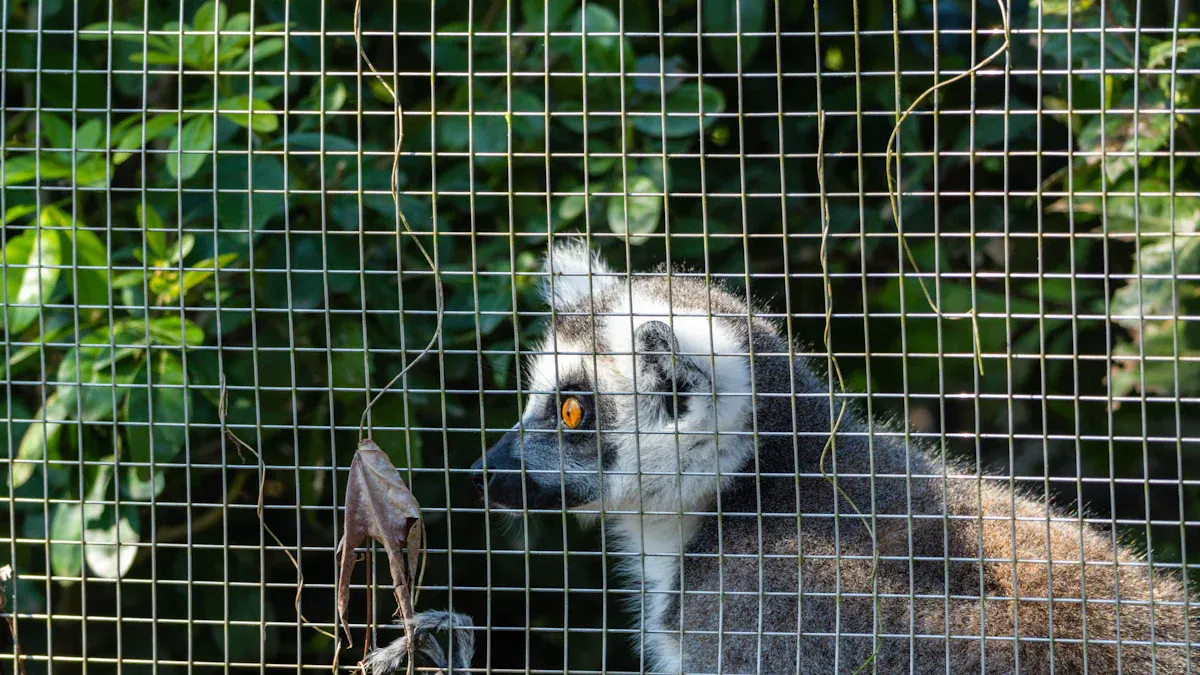
You want your animals to be safe. You also want your land to work well. Farm fences do more than show where your land ends. They help keep animals safe and control where wild animals go. When picking a fence, think about the animals on your land. Also think about animals that move through your land.
Traditional fences like barbed wire can break up animal homes. They can stop animals like deer or elk. Sometimes, these fences hurt animals.
Wildlife-friendly fences use smooth wires and good spacing. They also use things that help animals see the fence. This lets wild animals cross safely. It also keeps farm animals in.
Put fences away from places where wild animals walk. Use things like drop-down parts or gates. These let animals pass safely.
If you plan and care for your fences, you help keep animals safe. You also help your farm do well.
Key Takeaways
Pick fences that keep your animals safe and let wildlife pass. Smooth wire fences with space at the bottom work well.
Learn about the animals on your land. Plan fences for their size and habits. Use tall fences for deer. Make low gaps for small animals.
Put flags or tape on fences so animals can see them. This helps stop injuries.
Check your fences often to make sure they are strong and safe. Fix them when needed to keep them working well.
Think about using flexible or mixed fences for different animals. This helps your farm and the environment stay healthy.
Know Your Wildlife
![Know Your Wildlife]()
Large Animals
You may see large animals like deer near your farm. Deer are the most common big wildlife species that interact with farm fences in North America. They can jump over fences that stand 7 feet tall or higher. Sometimes, deer squeeze through small gaps if the fence is not strong. If you want to keep deer out, you need a fence at least 8 feet tall. Strong materials like welded wire or chain link work best. Electric fences can also help keep deer away, but you must check and maintain them often. If deer already come into your fields, they may ignore electric fences. You should plan your fence based on the animals you see most often.
Tip: Walk your fence line at dawn or dusk. You might spot deer trails or tracks. This helps you know where to focus your fencing efforts.
Small Creatures
Small wild animals face many problems when they meet traditional farm fences. These problems can hurt their health and change how they live. The table below shows some of the main challenges:
Challenge Type | Description and Examples |
Physical Injury and Mortality | Barbed wire can trap and injure animals like sugar gliders, flying foxes, kangaroos, and wallabies. Many get hurt on the top wire. Some need to be put down because of bad injuries. |
Behavioral Disruption | Fences can stop animals from feeding, moving, or breeding. This changes how they act and where they go. |
Habitat Fragmentation | Fences split animal groups and break up their homes. This can lower the number of animals and hurt the land. |
Ecological Impact | Fences can change the land and hurt the balance of nature, even after you remove them. |
Entanglement in Netting | Fruit netting can trap birds, bats, and snakes, often leading to injury or death. |
Conservation Concern | Not many studies exist, but experts agree that fencing is a big issue for wildlife and nature. |
You help both large and small creatures when you understand their needs. This knowledge lets you choose fences that protect your animals and support local wildlife.
Farm Fences Types
Choosing the right fence for your farm means looking at many options. Each type of fence works best for certain animals, land shapes, and wildlife needs. You can find fences made from wood, metal, wire, or even new smart technology. Some fences keep livestock in. Others let wildlife move safely across your land.
Here are the main types of farm fences used around the world:
Electrical fencing
Non-electrical fencing (such as woven wire, board, barbed wire, cable, mesh, and high-tensile)
Combination fences that use more than one method
These fences serve both agriculture and animal husbandry. You will see different styles in North America, Europe, Asia-Pacific, and other regions. Local climate and terrain often shape which fence works best.
Woven Wire
Woven wire fences use strong, galvanized steel wires woven together. You can use them for sheep, goats, pigs, and poultry. Woven wire lasts 15 to 20 years, making it a good long-term choice. It costs more than barbed wire but less than wooden rail or hog panels. You can install woven wire on uneven ground, which helps if your land has hills or dips.
Fence Type | Lifespan (years) | Cost per meter | Maintenance | Flexibility | Best For |
Woven Wire | 15–20 | $2.50–$4.50 | Moderate | High | Sheep, goats, pigs, poultry |
Hog Panels | 20–25 | $4.50–$7.00 | Low | Low | Hogs, cattle |
Wooden Post & Rail | 10–15 | $7.00+ | High | Moderate | Horses, cattle |
Woven wire fences work well for multi-species farms. You can use them to keep different animals safe in one area. The flexible design lets you shape the fence around rocks or trees. For wildlife, you can raise the bottom wire 12 to 18 inches above the ground. This lets small animals pass under the fence without getting stuck. Use smooth wire at the top and bottom to prevent injuries.
Tip: Walk your fence line often. Check for loose wires or gaps. This keeps both livestock and wildlife safe.
Electric Fencing
Electric fencing uses a mild shock to teach animals to respect boundaries. You can use electric fences for cattle, horses, sheep, goats, and even poultry. These fences are easy to move and set up. You can power them with batteries or solar panels, which helps in remote areas.
Electric fencing gives a psychological barrier. Livestock learn to avoid the fence after one or two shocks.
Brightly colored poly tape or wire makes the fence easy for animals to see. This lowers the risk of animals running into the fence.
The shock is strong enough to keep animals in but not enough to hurt them.
Electric fences keep out deer, raccoons, and wild boars. This protects your crops and keeps wildlife safe from harm.
These fences use less material than traditional fences, which helps the environment.
Standard electric netting stands 35 to 48 inches tall. For most livestock, 42 inches works well. Leave 12 to 18 inches of space at the bottom for small wildlife to pass under. Make sure the wires are tight to prevent animals from getting tangled.
Note: Electric fencing needs regular checks. Walk the fence line to make sure the power is working and the wires are not broken.
Mesh and Panels
Mesh and panel fences use metal or plastic grids. You can use them for goats, sheep, pigs, and poultry. Mesh fences come in many sizes and shapes. Some have small openings to keep out predators. Others have larger gaps for bigger animals.
Combination panels mix mesh, electric wires, and solid barriers. This lets you keep different animals safe in one area. You can adjust the fence for each species. Some panels use smart technology, like GPS collars, to guide animals without a physical fence. These systems use sound and mild shocks to keep livestock in the right place. You can monitor your animals in real time with an app.
Mesh and panel fences are easy to move. You can use them for rotational grazing or to protect certain crops. They work well on uneven land. You can also add wildlife-friendly features, such as smooth wires and visible markers. This helps animals see the fence and avoid injury.
Wildlife-Friendly Features:
Use smooth wire on the top and bottom.
Raise the bottom wire 12 to 18 inches for small animals.
Add flags or markers to make the fence easy to see.
Avoid sharp edges or barbs that can hurt wildlife.
Multi-species and combination panels give you flexibility. You can keep sheep, goats, and poultry together. You can also protect young animals from predators. Smart fencing systems help you manage your farm with less labor and more control.
Farm fences can shape your land for both livestock and wildlife. By choosing the right type, you protect your animals and support nature. You also make your farm safer and more productive.
Wildlife-Friendly Fence Design
Safe Passage
You can help wild animals cross your land safely. Make a few smart changes to your fences. Big animals like deer need fences no taller than 40 inches. This height lets them jump over without getting hurt. For small animals, leave at least 18 inches at the bottom. This gap lets them crawl under the fence.
Smooth wires are better than barbed wires. They lower the chance of animals getting stuck or hurt. Studies show smooth, raised bottom wires help pronghorn and elk cross. These changes can help about one-third more animals cross safely. You can add lay-down or drop-down parts to your fence. These open up during migration or breeding times. This gives animals a clear path.
Natural barriers like hedges or tree lines can guide animals. They also show where your land ends. Gates or special wildlife crossings help animals pass through when needed. Check your fences often. Fix any loose wires or sharp edges that could hurt wildlife.
Tip: Change your fence for each season. Open gates more during migration to help animals move.
Visibility and Marking
Making fences easy to see helps stop injuries, especially for birds. Birds often cannot see thin wires and may fly into them. You can put vinyl strips with shiny tape on the top wire every three feet. This simple step has cut bird crashes by up to 83% in some places.
Adding colored tags or flags to barbed wire helps too. Studies show marking fences in special habitats protects birds like sage grouse and prairie-chickens. These markings make the fence stand out. Birds can see it and avoid flying into it. The Bureau of Land Management says to mark fences where birds are at risk.
When you design Farm Fences for wildlife, you protect your animals. You also help the wild creatures that live on your land.
Choosing and Maintaining Farm Fences
Selection Steps
Choosing the right fence for your farm starts with a clear plan. Follow these steps to match your fence to your animals, wildlife, and budget:
Learn about the types of fencing. Permanent fences use strong materials and last for years. Temporary fences cost less and move easily for grazing.
Check your land and water sources. Plan your fence layout to give animals access to water and safe movement.
Pick materials that fit your animals. Woven wire works for sheep and goats. High-tensile wire suits cattle. Electric fencing helps with many species and keeps costs low.
Adjust fence height and design for each animal. Cattle need fences at least 54 inches tall. Sheep and goats need lower fences with predator control. Horses need visible fences like boards or electric tape.
Think about animal size and age. Young animals may need tighter spacing.
Plan for predators and digging. Use strong posts and bury the base if needed.
Set your budget. Small farms often use high-tensile wire or recycled materials. Large farms may choose electric fencing for big areas.
Tip: Define your priorities and check local prices before you buy. Consider long-term costs, not just the price today.
Installation Tips
Proper installation keeps your fence strong and safe. Use the right tools for the job:
Post hole diggers and shovels help you set posts deep and straight.
Tampers pack soil tight around each post.
Fence pliers and wire crimpers make joining wires easy.
Safety gear protects your hands and eyes.
Modern tools like post drivers and cordless drills speed up work. Prefabricated panels and GPS systems help with large projects. Always measure carefully to keep posts in line.
Common mistakes include loose wires, weak posts, and poor gate placement. Make sure wires stay tight and posts stand firm. Place gates where you need easy access.
Mistake | Impact |
Posts too far apart | Fence sags and loses strength |
Wires not tight | Animals push through or escape |
Fence too low | Agile animals jump over |
Base not secure | Animals dig under and get out |
Maintenance
Check your Farm Fences often. Walk the fence line to spot loose wires, broken posts, or sagging sections. Fix problems right away to keep animals safe. Clean away weeds and brush that touch electric wires. Treat wood posts to stop rot. Use rust-resistant wire for longer life.
Modern materials like high-tensile wire and vinyl last longer and need less care. Electric fences need regular checks to keep power flowing. Good maintenance saves money and keeps your farm running smoothly.
️ Regular care extends the life of your fence and protects your animals.
You can have a healthy farm by choosing Farm Fences that fit both your animals and wild animals. Careful fence design helps stop animals from getting hurt or lost. Many farms and studies show this works well.
Benefit | Result |
Flexible fencing plans | Better soil and crops |
Wildlife-friendly design | Fewer animals get hurt |
Incentive programs | Lower setup costs |
If you use wildlife-friendly ways, you help all animals and make your farm do well for a long time.
FAQ
What is the best fence for keeping both livestock and wildlife safe?
You should use woven wire or electric fences with smooth wires. Raise the bottom wire 12 to 18 inches. This lets small animals pass under. Add visible markers to help wildlife see the fence.
Tip: Walk your fence line often to check for gaps or damage.
How often should I check my farm fences?
You should check your fences at least once a week. Look for loose wires, broken posts, or sagging sections. After storms or strong winds, check your fences right away.
Can I use one fence type for different animals?
Yes, you can use combination fences or panels for multiple species. Adjust the height and spacing for each animal. For example, sheep need tighter gaps than cattle. Use electric wires for extra control.
How do I make my fence more visible to wildlife?
Add flags, colored tape, or vinyl strips to the top wire. Place them every three feet. This helps birds and animals see the fence and avoid injury.
What should I do if wildlife keeps damaging my fence?
Try moving the fence away from animal trails. Use smooth wires and leave space at the bottom. Install wildlife crossings or gates. These changes help animals move safely and protect your fence.