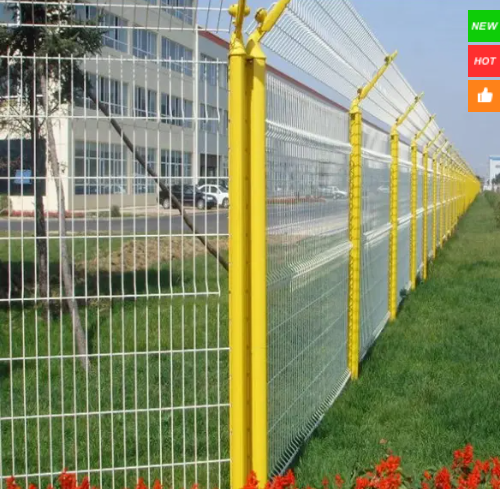
With their robust construction, steel fences offer unparalleled durability and security. These fences resist weather and pests, promising long-term value. In this post, you'll learn about steel fences' benefits, including their strength, longevity, and aesthetic appeal.
Durability and Longevity of Steel Fences
Comparing Steel to Other Materials
Steel fences stand out for their impressive strength and long lifespan. Unlike wood, which can rot or warp, steel resists damage from weather and pests. Compared to aluminum, steel is heavier and stronger, offering superior security. However, aluminum naturally resists rust better than steel. Steel fences require protective coatings to prevent corrosion but, when properly treated, can last for decades.
Vinyl and wood fences often need frequent repairs or replacements every 10 to 15 years. Steel fences, on the other hand, can easily last 20 to 50 years or more. This longevity makes steel a smart investment for those seeking a fence that endures.
Factors Affecting Steel Fence Durability
Several factors influence how long your steel fence will last:
Protective Coatings: Galvanized or powder-coated steel resists rust and corrosion better than untreated steel.
Climate: Humid or coastal areas accelerate corrosion risks; coatings and maintenance become more critical.
Installation Quality: Properly installed fences keep panels and posts stable, reducing stress and damage.
Physical Impact: Areas prone to heavy impacts or vandalism may reduce fence lifespan without reinforced designs.
Maintenance: Regular inspection and upkeep prevent small issues from turning into costly repairs.
Maintenance Tips for Longevity
Keeping your steel fence in top shape requires some care, but it’s generally low-maintenance:
Inspect Regularly: Check for scratches, rust spots, or loose parts every 6 to 12 months.
Clean Surfaces: Use mild soap and water to clean dirt and debris; avoid harsh chemicals that damage coatings.
Touch Up Paint: Repair any chipped or scratched coating promptly to prevent rust.
Lubricate Moving Parts: Hinges and gates benefit from occasional lubrication to avoid wear.
Remove Rust: If rust appears, sand the area, apply rust inhibitor, and repaint to stop spreading.
Following these tips extends your fence’s life, preserving its strength and appearance for years.
Security Benefits of Steel Fences
How Steel Fences Enhance Security
Steel fences provide a robust barrier that deters intruders effectively. Their inherent strength and rigidity make them difficult to break, cut, or climb compared to wood or vinyl fences. Steel’s heavy gauge and welded construction create a solid perimeter that resists forced entry, making it ideal for securing homes, businesses, and industrial properties.
Additionally, steel fences maintain their structural integrity over time, unlike wood that can weaken or vinyl that can crack. This consistent strength ensures your property stays protected for years. Steel fences can be built tall enough to prevent easy scaling, and their narrow spacing between pickets limits access points, enhancing security without sacrificing visibility.
Design Features for Added Protection
Beyond raw strength, steel fences can include several design elements that boost safety:
Pointed Finials and Spear Tops: Sharp or pointed picket tops discourage climbing and trespassing.
Interlocking Panels: These add rigidity and prevent panels from being removed or pried apart.
Height Options: Steel fences can be customized to exceed standard heights, creating a formidable obstacle.
Lockable Gates: Heavy-duty locking mechanisms secure entry points, complementing the fence’s strength.
Minimal Gaps: Tight spacing reduces the risk of squeezing through or reaching inside the fence.
Some steel fences incorporate anti-climb features such as angled tops or smooth rails to make scaling nearly impossible. Others use reinforced posts and brackets to withstand impact or tampering attempts. These design choices transform a steel fence from a simple boundary into a comprehensive security system.
In summary, steel fences combine material strength with smart design features to protect your property effectively. They offer peace of mind by deterring intruders and resisting damage, making them a top choice for security-conscious property owners.
Tip:Choose steel fences with welded construction and pointed finials to maximize security and prevent unauthorized access.

Aesthetic Appeal and Design Options
Popular Styles of Steel Fences
Steel fences come in a variety of styles to suit different tastes and property types. Their versatility allows them to blend with traditional homes, modern constructions, or commercial buildings. Some popular steel fence styles include:
Picket Fences: Classic and timeless, picket steel fences offer a neat, orderly look. They often feature pointed or rounded tops and provide a balance of security and visibility.
Tubular Steel Fences: These fences use hollow steel tubes, offering a sleek and minimalist appearance. They are strong and less bulky, making them popular for both residential and commercial use.
Ornamental Steel Fences: These mimic the elegance of wrought iron but at a lower cost and with less maintenance. They often include decorative elements like scrolls, finials, and intricate patterns.
Split Rail Steel Fences: Inspired by rustic wooden fences, these feature horizontal rails and vertical posts, offering a more open and natural look while maintaining durability.
Color Bond Steel Fencing: Designed for privacy and security, these solid panels come in various colors and finishes, providing a modern, clean aesthetic.
Each style offers unique advantages, allowing property owners to choose a steel fence that matches their design preferences and functional needs.
Customization Options for Steel Fences
One of the biggest advantages of steel fencing is its customization potential. Steel can be shaped, painted, and finished in many ways to create a fence that fits your property perfectly:
Color Choices: Although black and bronze are common, powder coating technology allows steel fences in various colors, including white, silver, and custom shades. This finish also protects against rust and fading.
Decorative Finials and Caps: Adding finials such as spear points, balls, or fleur-de-lis designs enhances the fence's visual appeal and can also improve security by deterring climbing.
Panel Designs: Steel panels can be solid, spaced, or include ornamental patterns. You can select from simple straight pickets to elaborate scrollwork or geometric shapes.
Height and Width: Steel fences can be tailored to different heights, from short garden fences to tall security barriers. Panel widths can also be adjusted to fit your property line precisely.
Gates and Accessories: Matching gates with locking mechanisms, hinges, and latches can be customized to complement the fence’s style and function. Additional accessories like post caps and lighting can further enhance appearance and usability.
This level of customization means you don’t have to compromise on style or function. Steel fences can be both a statement piece and a practical boundary.
Cost Considerations for Steel Fencing
Initial Costs vs. Long-Term Value
Steel fences generally have a higher upfront cost compared to materials like wood, vinyl, or aluminum. This is mainly due to steel’s heavy-duty construction and the protective coatings applied to resist rust and corrosion. For example, steel fencing can cost anywhere from $25 to $50 per linear foot, depending on style and finish, while wood or vinyl options might be available for less.
However, the initial expense can be offset by steel’s long lifespan and low maintenance needs. Unlike wood, which may require frequent staining, sealing, or repairs every few years, steel fences typically last 20 to 50 years or more. This durability reduces the need for costly replacements or ongoing upkeep, offering better value over time.
Steel fences also tend to hold their appearance longer. The protective coatings prevent rust and fading, so repainting or refinishing is rarely necessary. This preservation of look and function can enhance your property’s curb appeal and potentially increase its resale value.
Considering these factors, steel fencing represents an investment that pays off through durability and low lifetime costs, even though it demands more money upfront.
Comparing Costs with Other Fencing Materials
When weighing fencing options, it’s important to compare not just initial prices but total costs over the fence’s life. Here’s a quick look at how steel compares:
| Material | Approximate Cost per Linear Foot | Lifespan (Years) | Maintenance Needs | Notes |
| Steel | $25 - $50 | 20 - 50+ | Low | Requires protective coating; long-lasting |
| Aluminum | $20 - $40 | 30 - 40 | Very Low | Rust-resistant; lighter but less strong |
| Wood | $10 - $30 | 10 - 15 | High | Needs regular staining, sealing, repairs |
| Vinyl | $15 - $40 | 20 - 30 | Low | Resistant to rot, but can crack or fade |
Steel is more costly upfront than wood or vinyl but offers superior strength and longevity. Aluminum fences cost slightly less and resist rust better but are not as strong. Wood fences are cheaper initially but demand more maintenance and have shorter lifespans.
Choosing steel means fewer replacement cycles and less money spent on repairs or upkeep. This can be especially valuable for commercial properties or homeowners prioritizing security and durability.
Environmental Impact of Steel Fences
Sustainability and Recycling
Steel fences score high on sustainability. Steel is one of the most recycled materials globally, with a recycling rate exceeding 85%. When a steel fence reaches the end of its life, it can be melted down and reused to create new steel products, reducing the need for mining raw materials. This recycling process saves energy and lowers greenhouse gas emissions compared to producing steel from virgin ore.
Many steel fences incorporate recycled steel content from the start, further reducing environmental impact. Unlike materials such as vinyl, which rely on petroleum-based plastics and can produce toxic byproducts, steel’s recyclability makes it a more eco-friendly choice. Additionally, steel fences last for decades, meaning fewer replacements and less waste over time.
Eco-Friendly Benefits of Steel Fencing
Steel fencing offers several environmental advantages beyond recyclability:
Longevity Reduces Waste: Its durability means steel fences don’t need frequent replacement, cutting down on landfill waste.
Low Maintenance Minimizes Chemicals: Steel requires minimal upkeep—no need for frequent painting or chemical treatments common with wood fences.
Energy Efficiency in Production: Modern steel manufacturing increasingly uses electric arc furnaces powered by renewable energy, lowering carbon footprints.
Non-Toxic Material: Steel doesn’t leach harmful chemicals into soil or water, unlike treated wood or vinyl.
Supports Green Building Standards: Using recycled steel contributes to LEED credits and other sustainable building certifications.
Choosing steel fencing aligns well with environmentally conscious building practices. It balances strength, beauty, and sustainability, making it a responsible investment for eco-aware property owners.
Installation and Maintenance of Steel Fences
DIY vs. Professional Installation
Installing a steel fence can be a rewarding project, but it demands careful planning and the right tools. Steel fences are heavier and sturdier than aluminum or vinyl, making them more challenging to handle. For homeowners with experience in construction or handy skills, a DIY installation might be feasible, especially for smaller projects or simple designs.
Key points for DIY installation include:
Accurate Measurements: Measure your property lines carefully to avoid mistakes that lead to additional costs.
Proper Anchoring: Steel fence posts require secure anchoring, often in concrete, to ensure stability.
Use of Correct Tools: Cutting, welding, or bolting steel panels needs specialized tools and safety gear.
Following Manufacturer Instructions: Each fence type may have specific installation requirements.
However, many choose professional installation due to steel’s weight and complexity. Professionals bring expertise to:
Handle heavy panels and posts safely.
Ensure level and plumb posts for a neat appearance.
Manage challenges like uneven terrain or obstacles.
Use specialized equipment for welding or bolting.
Comply with local building codes and HOA regulations.
Professional installation typically results in a longer-lasting fence that maintains its structural integrity. While it costs more upfront, it can save time, reduce errors, and prevent costly repairs later.
Routine Maintenance Practices
Steel fences require maintenance to keep their strength and appearance. Though generally low-maintenance, neglect can lead to rust and deterioration. Follow these routine practices:
Regular Inspections: Check every 6 to 12 months for scratches, rust spots, or loose fittings.
Cleaning: Wash the fence with mild soap and water to remove dirt and pollutants. Avoid abrasive cleaners that damage coatings.
Coating Touch-Ups: Promptly repair any chipped or scratched paint or powder coating to prevent rust.
Rust Removal: If rust appears, sand the area to bare metal, apply rust inhibitor, then repaint.
Lubricating Moving Parts: Hinges and locks on gates should be lubricated occasionally to prevent wear.
Winter Care: Remove snow buildup and clear debris to avoid moisture retention.
By staying on top of maintenance, your steel fence will continue to look great and perform well for decades.
Conclusion
Steel fences offer impressive durability, security, and aesthetic appeal, making them a worthwhile investment for property owners. With a lifespan of 20 to 50 years, they outlast wood and vinyl alternatives, providing long-term value. Steel’s strength and customizable design enhance security, while its eco-friendly qualities contribute to sustainability. Kaiheng's steel fences combine quality materials with expert craftsmanship, ensuring lasting performance and beauty. Investing in Kaiheng steel fences means choosing a reliable, stylish, and environmentally conscious solution for your fencing needs.
FAQ
Q: What makes a steel fence durable?
A: A steel fence is durable due to its strength and resistance to weather and pests. With proper protective coatings, it can last 20 to 50 years or more.
Q: How does a steel fence compare to aluminum?
A: A steel fence is stronger and offers better security than aluminum, though aluminum resists rust better. Steel requires coatings for corrosion prevention.
Q: Why choose a steel fence for security?
A: Steel fences provide robust security with their heavy gauge and welded construction, deterring intruders effectively.
Q: Is a steel fence cost-effective long-term?
A: Yes, despite higher upfront costs, a steel fence offers long-term value with its durability and low maintenance needs.
Q: How can I maintain my steel fence?
A: Regularly inspect for rust, clean with mild soap, touch up paint, and lubricate moving parts to maintain your steel fence.