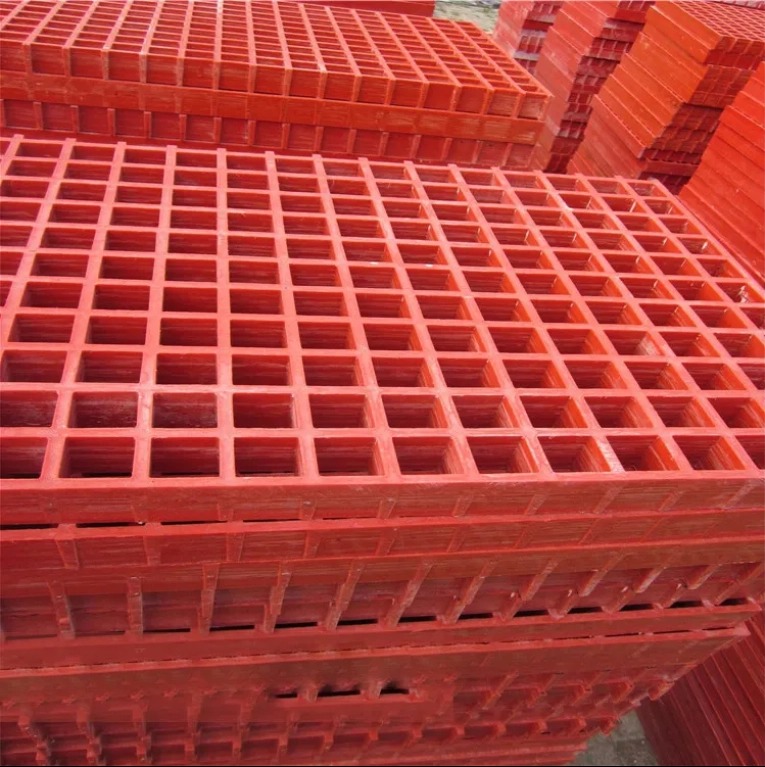
Fiberglass grating is known for its durability, corrosion resistance, and lightweight structure. It’s widely used in industrial, marine, and wastewater environments due to its impressive performance under harsh conditions. However, like any structural material, fiberglass grating doesn’t last forever. Over time, exposure to environmental stressors, physical loads, and chemical interactions may degrade its performance. So, when should you replace fiberglass grating? This guide dives deep into the indicators, timelines, and maintenance factors that signal it's time for a replacement—ensuring your facility remains safe, efficient, and compliant.
Understanding the Lifespan of Fiberglass Grating
Fiberglass grating typically lasts anywhere from 15 to 25 years depending on the application, installation quality, environmental exposure, and load conditions. Unlike metal grating, which may corrode or rust, fiberglass composites resist chemical attack and moisture. However, their lifespan isn’t indefinite. Mechanical fatigue, UV exposure, and repeated impacts can deteriorate the structural integrity over time.
For example, in a chemical plant environment, exposure to strong acids or bases may slowly degrade the resin matrix, even if the grating is rated as corrosion-resistant. Similarly, outdoor installations with constant sun exposure may suffer UV degradation unless UV inhibitors were used during manufacturing. Regular inspections and maintenance logs can help predict wear patterns and ensure replacement occurs before a failure puts workers or infrastructure at risk.
Signs That Indicate Fiberglass Grating Replacement is Needed
Knowing the warning signs is critical. Here are some clear indicators that fiberglass grating should be replaced:
1. Surface Delamination
Delamination occurs when the top surface layer starts separating from the core material. It often begins as minor flaking or soft spots, which may grow rapidly under continued foot or vehicle traffic. Once delamination begins, the grating loses its load-bearing capability and becomes a major safety hazard.
2. Softening or Brittleness
Fiberglass grating that feels soft under pressure or shows signs of brittleness or cracking is a red flag. These symptoms suggest degradation of the resin system, often caused by chemical attack, heat exposure, or UV damage. Soft or brittle panels can fail suddenly, even under normal loads.
3. Visible Cracks and Breakage
Any visible fracture lines, chipping edges, or missing pieces should be treated seriously. Fiberglass is designed to have some flex, but once it begins cracking, its load distribution ability is compromised. Small fractures often expand over time and may lead to complete structural failure.
4. Discoloration and Surface Chalkiness
While some discoloration is purely cosmetic, uniform fading, yellowing, or the development of a chalky surface are signs of UV and environmental degradation. These visual clues often precede physical failure and are your early warning indicators.

How Frequently Should Fiberglass Grating Be Inspected?
Routine inspections are the key to maximizing the lifespan of fiberglass grating. The frequency depends on the application, but the following table offers a general guideline:
| Environment | Inspection Frequency |
| High-Chemical Exposure | Monthly |
| Outdoor UV Exposure | Quarterly |
| Heavy Traffic (Pedestrian) | Quarterly |
| Heavy Equipment (Vehicular) | Monthly |
| Light-Duty Indoor Use | Annually |
Inspections should include both visual assessments and manual load testing in high-risk areas. Record all findings to track progressive damage over time. If signs of failure are found during an inspection, immediate replacement or load restriction should follow.
Factors That Accelerate Grating Deterioration
Several external and internal factors can shorten the useful life of fiberglass grating:
Chemical Exposure: Even with resistant resin types, long-term contact with aggressive acids, solvents, or bases can degrade the matrix.
UV Radiation: Unless treated with UV inhibitors, sunlight can cause discoloration and surface erosion.
Mechanical Impact: Repeated loads, impacts from dropped tools or machinery, and vibration can cause fractures over time.
Improper Installation: Lack of support, incorrect anchoring, or overextended spans lead to flexural stress and premature wear.
Thermal Stress: Extreme temperature cycles can cause resin shrinkage or expansion, contributing to material fatigue.
Understanding these factors enables facility managers to develop preventative strategies, such as protective coatings, proper anchoring, and environmental shielding.

FAQs About Replacing Fiberglass Grating
Q1: Can fiberglass grating be repaired instead of replaced?
A: Small surface damage or chips can be temporarily patched with compatible resin, but structural issues like cracks, delamination, or loss of rigidity require full replacement. Repairs are not a long-term solution for load-bearing areas.
Q2: How do I dispose of old fiberglass grating?
A: Fiberglass grating cannot be incinerated and is not biodegradable. Most facilities dispose of it through industrial waste services that specialize in composite materials. Some recycling centers may accept it, but availability varies by region.
Q3: Does discolored grating always need replacement?
A: Not always. If the discoloration is only cosmetic and the structural integrity remains intact (verified by inspection), replacement isn’t immediately necessary. However, consistent fading paired with chalkiness or surface erosion usually precedes failure.
Conclusion
Fiberglass grating offers excellent durability, but it isn't eternal. Timely replacement is not just about prolonging product life—it’s about ensuring worker safety, minimizing downtime, and protecting surrounding infrastructure. By staying vigilant for signs of wear, following regular inspection routines, and understanding the environmental factors that influence longevity, you can avoid catastrophic failures.
Whether in a chemical plant, wastewater treatment facility, or offshore platform, knowing when to replace fiberglass grating is a core part of responsible infrastructure management. Replace it before it breaks—not after.