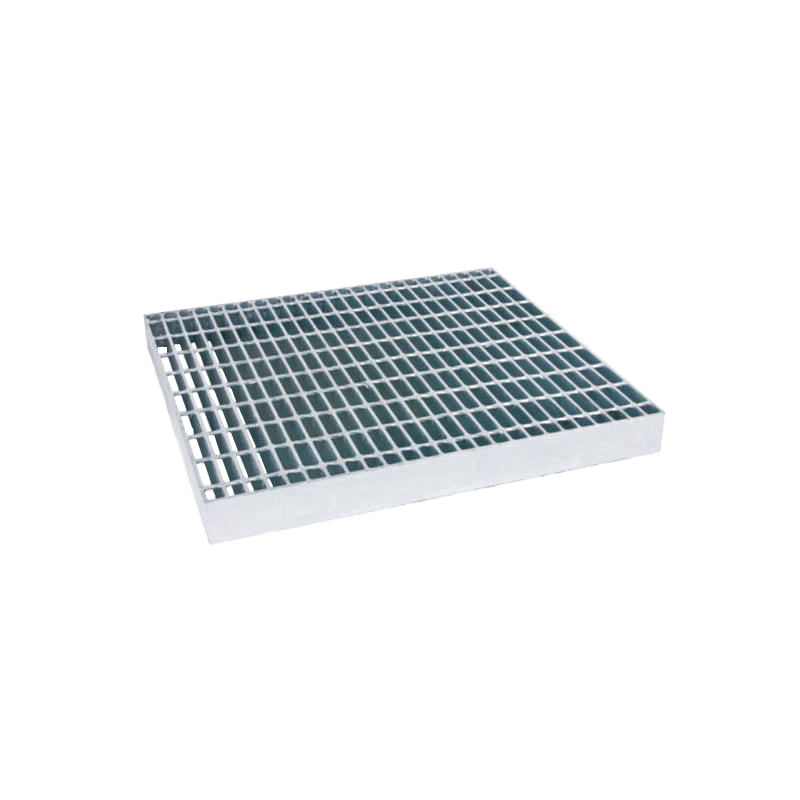
Coating failures in industrial facilities carry a massive financial penalty. Premature rust on structural platforms severely compromises worker safety. It quickly forces disruptive and incredibly expensive structural replacements. You cannot afford to treat all protective labels identically in today's market. Many buyers fail to distinguish between genuine hot-dip processes and inferior zinc-plating methods before they sign off on major purchase orders. A thin electro-plated layer will deteriorate rapidly in harsh environments. We designed this comprehensive guide to give procurement teams a clear operational advantage. You will learn how to evaluate zinc coating quality accurately. We provide a standardized, evidence-based checklist for verifying your materials upon procurement or delivery. You can protect your infrastructure investments by knowing exactly what to inspect before accepting a shipment.
Key Takeaways
Specify the Process: True hot-dip galvanizing offers vastly superior metallurgical bonding compared to electro-galvanizing.
Verify the Thickness: Coating thickness must align with international standards (e.g., ASTM A123) based on the steel's thickness and application.
Inspect Visually First: Surface defects like bare spots, dross inclusions, or severe flaking are immediate red flags, whereas a dull gray finish is often structurally acceptable.
Demand Documentation: Reliable suppliers provide certification of their galvanizing process, zinc bath purity, and compliance testing.
The Compliance Baseline for Galvanized Steel Grating
You must establish a strict compliance baseline before inspecting any physical material. Manufacturers use various methods to protect steel. They do not all deliver the same durability. Buyers must differentiate the manufacturing reality of hot dip galvanized bar grating from electro-galvanized or zinc-painted alternatives.
The hot-dip process submerses raw steel into molten zinc. This creates a powerful metallurgical bond. It forms multiple zinc-iron alloy layers. These layers grow harder than the base steel itself. Electro-galvanizing simply deposits a thin layer of zinc using an electrical current. It lacks the robust alloy layers necessary for heavy industrial use.
Standardized Specifications
You should introduce ASTM A123 or its ISO 1461 equivalent as your non-negotiable benchmark. These standards dictate acceptable coating thickness and weight. They remove subjective opinions from the quality control process.
Buyers must remember a critical assumption check. Required zinc thickness scales proportionately to the underlying steel gauge. There is no single universal measurement. Thicker steel requires a thicker zinc coating to meet compliance standards. Always cross-reference your specific material dimensions against the official ASTM A123 tables.
Business Impact
Never frame compliance as a bureaucratic hurdle. It serves as your primary metric for calculating the lifespan of the grating. Proper zinc coating dictates your total lifecycle cost. Substandard coatings lead to early rust. This forces maintenance teams to conduct premature replacements. By enforcing baseline standards upfront, you eliminate avoidable repair expenses.
![Galvanized Grating Visual Inspection]()
Visual Inspection: Identifying Red Flags vs. Normal Variations
Implementation reality often challenges procurement teams. Buyers inspecting shipments must quickly distinguish between cosmetic variations and actual functional defects. Rejecting a structurally sound panel delays projects. Accepting a defective panel invites disaster.
Functional Defects to Reject
You should train your receiving team to follow a strict shortlisting logic. Look for these functional defects to reject incoming shipments:
Bare Spots: Uncoated areas leave raw steel completely exposed. They remain highly susceptible to immediate rust and require outright rejection.
Blisters and Flaking: These issues indicate poor surface preparation. The manufacturer likely failed to clean or flux the steel properly before dipping.
Dross Inclusions & Ash: These appear as rough, brittle zinc-iron lumps. They compromise structural integrity and pose a severe cutting hazard to workers.
Acceptable Cosmetic Variations
You must also recognize standard visual anomalies. A dull gray, matte finish frequently alarms inexperienced inspectors. This appearance is actually a normal reaction. Certain steel chemistries contain high silicon levels. The zinc reacts differently, creating a matte surface. This dull finish does not indicate a weak coating. It often provides exceptional corrosion resistance.
Furthermore, minor surface roughness is typical for heavy duty galvanized grating. The massive volume of zinc required for thick steel inherently produces a less uniform texture. Acknowledge this aesthetic variation. Focus entirely on coating integrity rather than visual shine.
Physical Testing & Measurement Guidelines
Visual checks only identify surface-level problems. You must implement physical testing to verify true coating thickness and adherence.
Non-Destructive Testing (NDT)
Industry experts highly recommend magnetic thickness gauges. They serve as the standard evaluation tool for buyers. They provide immediate, accurate readings without damaging the material. You must use the correct sampling method to calculate a valid average thickness. Do not test just one edge.
Follow this numbered testing procedure:
Calibrate the magnetic gauge on a verified bare steel sample.
Select five disparate test areas randomly across the grating panel.
Take three individual readings within each selected area.
Calculate the average of these combined readings.
Compare the final average against your required ASTM A123 specification.
Adhesion Testing
You should also verify how well the zinc bonds to the steel. The Stout Knife Test remains a practical field method approved by ASTM standards. You apply firm pressure using a stout knife blade. Try to separate the coating from the base metal. A quality bond will carve cleanly. The knife will only shave off small zinc particles.
If the coating flakes off easily in large chunks, the bonding failed. This indicates poor manufacturing. We strongly advise against excessive or unauthorized destructive testing. Aggressive hammering or grinding will void supplier warranties. Stick to approved NDT and standard knife tests.
Evaluating Supplier Quality Assurance Processes
Quality begins long before the physical product arrives. You must evaluate your supplier thoroughly. What you demand upfront prevents massive headaches later.
Pre-Purchase Verification
Buyers should demand rigorous documentation from a supplier before issuing a purchase order. Require mill and galvanizing certificates immediately. These documents provide proof of the zinc bath purity. A reliable bath typically exceeds 98% pure zinc. The certificates must also detail the steel's chemical composition.
Assess their process transparency. Does the supplier handle galvanizing in-house? Do they outsource it to third-party facilities? In-house processing often tightens QA feedback loops. It gives the primary supplier direct control over temperature and dipping times.
Post-Fabrication Handling
Evaluate how the supplier handles necessary post-fabrication modifications. They often cut ends or add welds after the initial dipping process. You must ensure they handle these exposed areas properly. They should repair any post-welding zones using zinc-rich paint or metallizing. These repairs must comply with ASTM A780 standards. Suppliers must never leave raw edges exposed.
Supplier Document and Process Evaluation Chart
| Evaluation Criteria | High-Quality Supplier Standard | Red Flag Indicator |
| Zinc Bath Purity | Provides certificates showing ≥ 98% purity. | Refuses to share testing documentation. |
| Process Control | In-house galvanizing with strict QA feedback. | Outsources blindly to unverified third parties. |
| Post-Weld Repairs | Utilizes ASTM A780 compliant zinc-rich paint. | Leaves cut ends and welds as exposed raw steel. |
| Compliance Guarantee | Guarantees ASTM A123 / ISO 1461 alignment. | Relies on generic "galvanized" marketing terms. |
Matching Coating Specs to Application Environments
Every facility faces unique environmental stresses. You must evaluate your material dimensions against your operational outcomes. The right specifications prevent catastrophic failure.
Evaluation Dimensions
Corrosive environments demand strict attention. Chemical plants, wastewater facilities, and offshore rigs attack steel aggressively. These sectors require higher minimum coating thicknesses. They also require uncompromising quality assurance. A thin layer will vanish quickly under constant chemical exposure.
You must also differentiate between pedestrian and vehicular traffic. Forklifts and heavy trucks generate massive abrasive friction. Constant abrasion will wear down the top free-zinc layer rapidly. Consequently, heavy duty galvanized grating relies entirely on the underlying alloy layers for protection. Ensure your initial specifications account for this accelerated mechanical wear.
Decision Framework
We encourage buyers to build a realistic maintenance timeline. Map out your specific environmental pH levels. Measure your average ambient humidity. List all potential chemical exposures. Use this data to predict the expected corrosion rate of the zinc layer. When you match your environmental realities to proper Galvanized Steel Grating specifications, you eliminate unpredictable downtime.
Conclusion
Assessing zinc coatings requires a disciplined, three-step approach. You must specify strict international standards upfront during the contract phase. You must demand comprehensive certification regarding bath purity and steel chemistry. Finally, you must execute rigorous visual and physical checks upon delivery. Rely on magnetic gauges and standardized shortlisting logic to filter out true defects.
Your next steps are clear. Update your internal procurement templates immediately. Require explicit ASTM A123 compliance for all future orders. Equip your receiving teams with calibrated magnetic thickness gauges. Empower them to reject bare spots and severe flaking. These simple actions secure your infrastructure and dramatically extend the functional lifespan of your industrial platforms.
FAQ
Q: Why does some new galvanized steel grating look shiny while others look dull?
A: Steel chemistry dictates the final appearance. Silicon and phosphorus levels strongly influence the Sandelin Curve during dipping. High silicon steel reacts vigorously with molten zinc. This reaction creates a thick, matte, dull gray finish. Reassure your team that dull coatings provide equal, and often superior, corrosion protection.
Q: How do we repair small scratches or bare spots found during inspection?
A: You should detail ASTM A780 repair methods for your maintenance crew. Use high-quality zinc-rich paints, hot-sticking, or metallizing for minor blemishes. However, establish a strict rejection threshold. If bare spots exceed standard limits or indicate systemic dipping failures, reject the entire panel rather than attempting massive patches.
Q: Can I visually distinguish between hot-dip galvanizing and electro-galvanizing?
A: Yes. Electro-galvanizing looks exceptionally smooth, uniform, and very thin. It lacks visual character. Hot-dip processing creates a noticeably thicker layer. It often displays a distinct crystalline spangle or varied surface texture. It also feels structurally heavier and more robust due to the dense alloy layers.