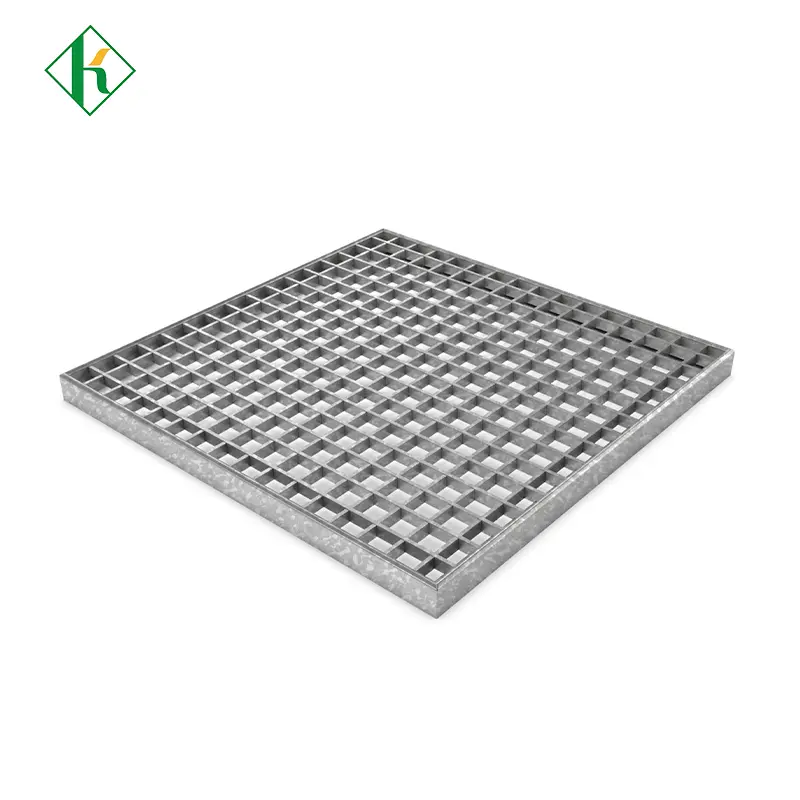
Industrial environments, ranging from chemical processing plants to coastal manufacturing hubs, actively destroy structural steel through corrosion. This relentless degradation creates significant safety liabilities for workers and drives up replacement costs, often threatening the financial viability of long-term projects. Project managers and engineers constantly face the challenge of selecting materials that can withstand these harsh conditions without requiring constant maintenance.
The industry-standard solution lies in Hot Dip Galvanized Steel Grating. Unlike superficial barrier paints that merely cover the surface, hot-dip galvanizing (HDG) creates a metallurgical integration of zinc and steel. This process results in a robust alloy specifically engineered for extreme durability and impact resistance. It transforms vulnerable steel into a composite material capable of surviving decades of exposure.
This guide moves beyond basic product definitions to analyze the complete engineering lifecycle of HDG grating. From the precise chemistry of the dip tank to critical installation protocols, we examine the factors that truly define quality. By understanding these technical nuances, project managers can accurately forecast Total Cost of Ownership (TCO) and validate that their infrastructure meets rigorous safety standards.

Key Takeaways
Metallurgical Bond vs. Adhesion: Unlike paint, HDG forms an alloy with the base steel, offering superior impact resistance and self-healing properties via cathodic protection.
Preparation is 70% of Quality: The longevity of the grating is determined primarily by the chemical cleaning (pickling) phase, not just the zinc bath.
Installation Matters: Improper field cutting or welding disrupts the zinc layer; mechanical fastening is preferred to maintain warranty and integrity.
Environment Dictates Lifespan: Service life ranges from 20 years (heavy marine) to 50+ years (rural), highly dependent on humidity and salinity.
The Manufacturing Process: A Quality Control Perspective
To the untrained eye, galvanizing appears to be a simple dipping process. However, the Manufacturing process is a strictly controlled chemical sequence where success depends on preparation and timing. Understanding these steps allows buyers to identify quality suppliers versus those who cut corners.
Fabrication Before Galvanizing
A critical rule in the production of high-quality grating is that all fabrication—cutting, welding, and banding—must occur before the coating process. If you weld steel after it has been galvanized, the heat destroys the protective zinc layer at the joint, creating an immediate corrosion initiation point. Furthermore, the fabrication phase must include pre-engineered vent and drain holes. These are vital for safety; without them, trapped air can expand explosively in the hot zinc bath, or zinc can become trapped in corners, creating dangerous uneven surfaces.
The Make or Break Phase: Surface Preparation
The most important takeaway for any procurement officer is that zinc will not react with dirty steel. The galvanizing process acts as its own quality control mechanism; if the steel is not surgically clean, the coating will simply not form. This preparation involves three distinct steps:
Degreasing: The raw steel grating is immersed in a hot caustic bath or biological solution. This removes organic contaminants like oil, grease, and shop markings. However, this step does not remove rust or mill scale.
Acid Pickling: This is arguably the most critical step. The grating is dipped into dilute hydrochloric or sulfuric acid. This acidic reaction strips away mill scale (iron oxides) and rust, exposing the virgin steel structure beneath.
Fluxing: Once clean, the steel is vulnerable to flash rusting. To prevent this, it is dipped in a solution of zinc ammonium chloride. This flux layer dries on the steel, protecting it from oxidation until it enters the molten zinc.
The Galvanizing Bath (The Reaction)
Once prepped, the steel enters the molten zinc kettle. Industry standards, such as ASTM A123 or ASTM B6, require the bath to be at least 98% pure zinc, maintained at approximately 840°F (450°C). When the steel hits this temperature, a diffusion reaction occurs.
This is not merely adhesion like paint. The iron in the steel reacts with the zinc to grow a series of zinc-iron alloy layers (Gamma, Delta, and Zeta layers). These inner layers are actually harder than the base steel itself, providing exceptional abrasion resistance. As the grating is withdrawn, a final layer of pure zinc (Eta layer) solidifies on top, providing the bright, shiny finish associated with new Steel Grating. Finally, the cooling or quenching prcess locks in the bond, preventing the coating from flaking during transport.
Durability and Performance: Evaluating ROI
The primary reason engineers specify HDG is the economic return on investment. While the upfront cost may be higher than painting, the lifecycle cost is significantly lower due to the dual-nature protection mechanism.
The Mechanism of Sacrificial Protection
Barrier coatings, such as epoxy paint or powder coating, work only as long as the film remains perfectly intact. Once a scratch occurs, moisture enters, and rust begins to spread underneath the paint film—a process known as under-film creep.
Galvanized grating functions differently. It utilizes a mechanism called cathodic protection. In this electrochemical process, zinc acts as the anode and steel as the cathode. Because zinc is more electronegative than steel, it will corrode sacrificially to protect the base metal. Even if the Durability of galvanized steel grating is tested by deep scratches that expose the steel, the surrounding zinc will corrode first, depositing a protective patina over the scratch and preventing structural rust from taking hold.
Service Life Data by Environment
The lifespan of your grating depends heavily on the surrounding atmosphere. Humidity, salinity, and sulfur compounds are the primary factors that consume the zinc layer. The table below outlines general expectations for Grating performance across different zones.
| Environment | Typical Conditions | Estimated Service Life |
| Rural / Dry | Low humidity, minimal pollution. | 50+ Years |
| Industrial / Urban | Moderate pollution, sulfur presence. | 25 – 40 Years |
| Coastal / Marine | High salinity, chlorides, high humidity. | 15 – 25 Years |
| Heavy Industrial | Direct chemical exposure, extreme pH. | Consult Manufacturer |
Project managers should use these benchmarks to calculate the Cost per Year of service. In many cases, HDG grating provides a lower annualized cost compared to stainless steel (which is expensive) or painted steel (which requires repainting every 5-7 years).
Edge and Corner Coverage
One structural advantage of the dipping process is how liquid zinc behaves. Paints and sprays naturally thin out at sharp corners and edges due to surface tension. Unfortunately, edges are exactly where corrosion usually starts on grating bars. Conversely, liquid zinc creates a coating that is naturally thicker at the corners than on flat surfaces. This ensures that the primary failure points of the grating receive the heaviest protection.
Critical Inspection Standards for Procurement
Upon receiving a shipment, how do you validate quality? It is essential to distinguish between cosmetic issues and functional defects. The Steel grating coating process can result in varied aesthetics that do not affect performance.
Visual Inspection Criteria
Inspectors often look for a uniform, shiny appearance, but this can be misleading. A matte gray finish, slight roughness, or variations in spangle (the crystalline pattern) are generally acceptable and often related to the steel's silicon content, not the coating quality.
What you should reject includes:
Bare Spots: Any area where the steel is visible indicates a failure in surface preparation.
Blisters: Bubbles in the coating that may peel off.
Flux Inclusions: Black spots or residues that will wash off and leave bare steel.
Excessive Dross: Sharp lumps or spikes of zinc. These are dangerous for handling and installation and should be smoothed out by the manufacturer.
Thickness Verification and Embrittlement
Visuals are subjective; data is not. Inspectors should use magnetic thickness gauges to verify compliance with standards like ISO 1461 or ASTM A123. These standards dictate a minimum coating weight per square foot based on the steel bar's thickness. Additionally, for high-strength steels, it is prudent to check for strain-age embrittlement. This rare defect can occur if the steel was severely cold-worked before dipping, making it brittle. Reputable manufacturers manage this risk through proper stress-relieving techniques.
Installation and Field Handling Best Practices
Even the highest quality grating can be compromised by poor handling at the job site. The Installation of steel grating requires specific protocols to maintain the integrity of the zinc shield.
Installation Logistics: Clips vs. Welding
A common debate in the field is whether to weld grating to the support beams or use mechanical fasteners. The recommendation is overwhelmingly to use galvanized saddle clips or G-clips. Field welding burns away the zinc coating around the weld area, releasing toxic zinc oxide fumes and leaving the steel vulnerable to immediate rust. If you must weld for security reasons, the damaged area requires rigorous cleaning and repair. Clips, however, maintain the warranty and allow for easier removal during maintenance.
Furthermore, installers must be wary of dissimilar metals. Placing galvanized grating directly onto copper or stainless steel supports can trigger galvanic corrosion. In these scenarios, using inert spacers like neoprene washers is necessary to electrically isolate the grating.
Managing Field Modifications
The golden rule of installation is to avoid cutting finished grating whenever possible. Accurate architectural drawings should mitigate the need for on-site fabrication. However, if a pipe penetration or adjustment requires a cut, the exposed steel edge must be treated immediately. ASTM A780 dictates the use of zinc-rich paint (often called cold galv) or zinc solder. This repair must be applied to a clean, dry surface to be effective.
Storage and Stacking
Before installation begins, storage conditions can ruin the aesthetic of the product. If galvanized grating is stacked tightly in wet or humid conditions, it can develop Wet Storage Stain, commonly known as White Rust. This bulky white powder forms because the zinc does not have enough airflow to form its stable carbonate patina. To prevent this, store grating at an angle to allow for drainage and ensure spacers are used between layers to promote airflow.
Specification Guide: Matching Grating to Application
Ordering the right product requires precise communication with your manufacturer. A vague request for galvanized grating can lead to costly mismatches between site requirements and delivered product.
Defining the Specs (RFP Checklist)
When drafting a Request for Proposal (RFP), ensure the following variables are defined for Steel grating for industrial use:
Load Bearing Requirements: clearly distinguish between light pedestrian traffic and heavy forklift or vehicular loads. This dictates the bearing bar depth and thickness.
Mesh Pitch: Standard industrial mesh (e.g., 30mm centers) offers good drainage, while security mesh or ADA compliant mesh has tighter spacing to prevent tools or heels from falling through.
Surface Type: Specify serrated surfaces for oily or wet environments to increase slip resistance, or smooth bars for general use.
Understanding Lead Times vs. Process Times
It is important to clarify timelines. The physical process of dipping a batch of grating takes only hours. However, the turnaround time quoted by suppliers—often 3 to 5 days—accounts for chemical cleaning cycles, drying, batching, and cooling. If your project requires a Duplex System (painting over galvanizing), you must plan for additional curing time. The zinc surface often requires specific passivation or sweep blasting to ensure the paint adheres correctly.
Conclusion
Hot-dip galvanized steel grating offers the optimal balance of structural strength and corrosion resistance for harsh industrial environments, provided the manufacturing quality controls are strictly followed. It is not a simple commodity; it is an engineered composite material.
When evaluating suppliers, project managers should prioritize those who provide full mill certificates and strictly adhere to ASTM/ISO standards over those offering the lowest initial price per square meter. The true return on investment is not found in the purchase price, but realized in the decades of maintenance-free service that follows a correct installation.
FAQ
Q: What is the difference between hot-dip galvanizing and electro-galvanizing (cold plating)?
A: The primary difference is thickness and bond strength. Hot-dip galvanizing (HDG) involves immersing steel in molten zinc, creating a thick, metallurgically bonded alloy layer suitable for outdoor exposure. Electro-galvanizing uses an electrical current to deposit a very thin layer of zinc. While electro-galvanizing provides a smooth finish, it offers significantly less corrosion protection and is generally suitable only for indoor or cosmetic applications.
Q: Can galvanized steel grating be welded after installation?
A: Yes, it can be welded, but it is not recommended without precautions. Welding galvanized steel produces toxic zinc oxide fumes, requiring proper ventilation and respiratory protection for the welder. Furthermore, the heat destroys the protective zinc coating at and around the weld site. These areas must be rigorously cleaned and repaired using zinc-rich paint or solder (per ASTM A780) to prevent rapid corrosion.
Q: Why does some galvanized grating turn dull gray while others remain shiny?
A: The finish is largely determined by the chemical composition of the steel, specifically its silicon and phosphorous content (known as the Sandelin curve), and the cooling rate after dipping. A dull gray finish usually indicates a thicker, more reactive zinc-iron alloy layer, while a shiny finish indicates a thicker pure zinc outer layer. Both finishes offer equivalent corrosion protection; the difference is purely aesthetic.
Q: Does galvanizing warp the steel grating?
A: The high temperature of the zinc bath (around 840°F) releases internal stresses in the steel, which can cause minor warping or distortion. This is a known physical property of the process. Reputable manufacturers mitigate this by using proper stress-relieving techniques during fabrication or by employing mechanical leveling (presses) after the grating has cooled to ensure it meets flatness tolerances.