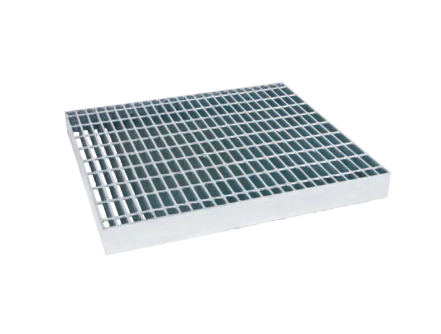
Designing industrial flooring involves a constant trade-off between structural integrity, dead weight, and budget constraints. Civil engineers and procurement managers often face a difficult choice: stick with the perceived durability of solid materials or switch to engineered open-grid solutions. This decision impacts not just the flooring budget, but the entire structural framework and long-term maintenance schedule.
There is a common tendency to default to Traditional steel plates, often known as checker plates. The logic seems sound initially; a solid surface feels safe and unbreakable. However, this assumption frequently overlooks the structural inefficiencies inherent in closed surfaces. Solid plates add significant dead load without contributing proportional stiffness, leading to heavier supporting structures and higher capital expenditures.
This guide moves beyond basic definitions to rigorously compare Steel Grating and solid steel plates. We will analyze the Total Cost of Ownership (TCO), safety compliance, installation logistics, and long-term durability of both options. If you are evaluating flooring specifications for heavy-duty or industrial applications, this breakdown will help you make a data-driven decision.

Key Takeaways
Weight-to-Strength Ratio: Steel grating typically offers high load-bearing capacity at 30–50% less weight than solid plates, reducing stress on the supporting infrastructure.
The Hidden Cost of Plates: While solid plates may have a lower material cost per ton, they often require heavier support beams, more expensive foundations, and specialized lifting equipment during installation.
Safety & Environment: Grating provides superior drainage and visibility, whereas steel plates introduce risks of liquid pooling and hidden corrosion.
The Verdict Snapshot: Choose Steel Grating for catwalks, platforms, and drainage-heavy areas; choose Steel Plates only when total containment (fumes, small tools) or smooth wheel traffic is the priority.
Structural Efficiency: The Lightweight Multiplier Effect
When you evaluate Steel Grating vs. Steel Plates, the most immediate physical difference is weight. This is not just about ease of handling; it fundamentally changes the static load calculations for your building. The reduction in dead load creates a ripple effect throughout the entire engineering design.
Dead Load Comparison
Consider a standard industrial platform scenario. A 5mm thick solid carbon steel plate is a common specification for heavy-duty walkways. While it provides a robust surface, it is incredibly dense. In contrast, a load-equivalent steel grating panel—designed to support the same pedestrian or equipment traffic—relies on an open mesh structure. The material is concentrated only where it is needed: in the load-bearing bars.
For a project context covering 1,000 square meters, the difference is staggering. Solid steel plates might introduce a dead load of approximately 40 tons. Achieving the same span and load capacity with steel grating could bring that figure down to 15–19 tons. This is a mass reduction of nearly 60%. You are effectively removing over 20 tons of unnecessary stress from your building's skeleton before you even add equipment or personnel.
Impact on Sub-Structure
This weight reduction triggers what engineers call the Multiplier Effect. When the flooring is lighter, the secondary beams supporting that floor can be lighter. Consequently, the primary columns supporting those beams endure less axial load. Finally, the concrete foundations and footings can be downsized because they are supporting significantly less total mass.
From a capital expenditure (CAPEX) perspective, this is where Steel plates vs. grating becomes a financial decision rather than just a material one. A switch to grating can sometimes downgrade the required specification for the entire supporting steel framework. You might move from a heavy H-beam to a lighter I-beam profile, saving thousands of dollars in structural steel costs that appear nowhere near the flooring line item on your budget.
Load Distribution Mechanics
The behavior of these materials under stress also differs markedly. Solid steel plates are isotropic sheets, but they are prone to localized deformation known as dishing. If a heavy object drops on a steel plate, or if a vehicle wheel imposes a high point load, the plate tends to bow permanently. Once a solid plate is bent, it creates a tripping hazard and a pooling point for liquids. Flattening a dished steel plate on-site is notoriously difficult and often requires replacement.
Conversely, steel grating utilizes a network of bearing bars and cross bars. This grid acts like a series of miniature trusses. When a heavy point load impacts the surface, the cross-bars help distribute that force across multiple bearing bars. The load spreads over a wider area, maintaining structural rigidity. This resilience makes Grating for heavy-duty use superior in dynamic environments where impacts are likely.
| Feature | Solid Steel Plate (5mm) | Heavy-Duty Steel Grating |
| Dead Weight (approx.) | ~40 kg/m² | ~20-25 kg/m² |
| Load Distribution | Localized (prone to dishing) | Distributed (cross-bar network) |
| Impact on Structure | High static load | Reduced static load |
| Deformation | Permanent bending likely | Elastic recovery / Rigid |
Safety and Operational Performance: Open Grid vs. Closed Surface
Beyond structural mechanics, the daily operational reality of your facility dictates which material is safer for your workforce. The primary distinction here is the closed surface of a plate versus the open grid of grating. This fundamental difference dictates how the floor handles fluids, light, and fire risks.
Fluid Management & Slip Resistance
In industrial settings, floors rarely stay dry. Hydraulic fluids, rainwater, grease, and processing chemicals are constant hazards. Solid plates suffer from a significant Drainage Deficit. Because the surface is impermeable, any liquid that lands on it stays there until it evaporates or is manually squeegeed off. This accumulation creates dangerous slip hazards. Even checker plates, which have raised patterns for grip, become skating rinks when the valleys between the raised patterns fill with oil or sludge.
One of the key Benefits of steel grating is its self-cleaning nature. The open mesh design allows liquids to pass through immediately. There is nowhere for water or oil to pool. Furthermore, small debris like snow, mud, or metal shavings falls through the openings rather than accumulating underfoot. For environments requiring high traction, serrated grating bars offer a functional C3/C4 grip rating that remains effective even when wet, without requiring constant manual cleaning intervention.
Visibility and Light Penetration
Safety also involves situational awareness. In multi-level plants, seeing what is happening above or below you is vital. Steel grating provides Vertical Visibility. Operators on a mezzanine can look down through the floor to check on equipment or spot injured personnel on the lower level. Solid plates block this line of sight completely, creating blind spots that can delay emergency responses.
Lighting efficiency is another overlooked advantage. An open structure allows ambient light from skylights and high-bay fixtures to penetrate down to lower levels. It also permits HVAC airflow to circulate freely. In contrast, solid plates act as barriers to both light and air, often necessitating the installation of auxiliary lighting and complex ventilation ductwork to ensure the lower levels are habitable. Using grating can effectively reduce your facility's energy consumption.
Fire Safety & Explosion Venting
In volatile industries like chemical processing or grain handling, airborne hazards are a serious concern. Heavier-than-air gases or explosive dust particles tend to settle on flat surfaces. Solid steel plates can trap these fumes, creating hazardous pockets where concentrations reach explosive limits. Because grating is 80% open space, it prevents this accumulation. It facilitates natural ventilation, ensuring that gases disperse safely rather than pooling at floor level. In the event of an overpressure event or explosion, grating also allows the pressure to vent through the floor, whereas solid plates can buckle or become dangerous projectiles.
TCO Analysis: Initial Price vs. Long-Term Value
Procurement teams often look at the invoice price of materials. If you only look at the cost per square meter of the raw product, Steel plate drawbacks are not immediately obvious. In fact, simple steel plate is often cheaper to buy than grating because grating requires manufacturing complexity—cutting, assembling, welding, and locking bars together.
Procurement Economics
It is important to admit the nuance: **Steel Grating** can carry a 20–40% premium over basic carbon steel plate in terms of raw material cost. However, a smart procurement strategy analyzes the Total Cost of Ownership (TCO), not just the initial purchase order. The savings generated by grating appear in logistics, installation, and long-term maintenance, often eclipsing the initial material premium.
Logistics and Freight Savings
Transportation costs are driven by weight and volume. Due to its lower density, shipping costs for grating are significantly lower than for solid plates. A flatbed truck can carry a specific tonnage; if you are shipping solid plates, you hit that weight limit with much less square footage of flooring. With grating, you ship more floor area per truckload.
Handling at the job site further amplifies these savings. The reduced weight simplifies offloading. A bundle of grating might be manageable with a standard forklift or a light crane. Large, solid steel slabs often require heavy-duty cranes and specialized rigging crews to move safely. Eliminating the need for a 100-ton crane rental for a day can instantly offset the material price difference.
Maintenance & Durability (The Opex View)
Once installed, the maintenance battle begins. Solid plates, especially those with diamond or checker patterns, suffer from hidden corrosion. Moisture and corrosive vapours attack the underside of the plate, where inspection is difficult. Additionally, on the top surface, coating systems often pool in the low spots or chip off on the high spots of the checker pattern, leading to rust.
High-quality Steel grating advantages include superior galvanization performance. Hot-dip galvanized grating typically receives an 85μm+ zinc layer that coats every side of every bar. Because the airflow is constant around the bars, they dry quickly, preventing the prolonged moisture contact that accelerates rust. In typical industrial environments, this offers 25–40 years of protection.
Repairability is the final economic factor. If a section of grating is damaged, two workers can unclip the panel and swap it for a new one in minutes. If a steel plate warps or corrodes, the repair involves cutting torches, grinding, and welding—process-heavy Hot Works that are expensive and disruptive.
Installation Realities: Speed and Compliance
The speed at which you can install flooring directly affects your project schedule. Installation methods for grating and plates are fundamentally different, with one favoring speed and the other requiring labor-intensive processes.
Mounting Methods
Solid steel plates usually require continuous or tack welding to the support beams to prevent them from rattling or curling at the edges. In an operational plant, welding triggers Hot Work Permits. This requires you to shut down nearby production, establish fire watches, and deploy welding screens. It is a slow, bureaucratic, and hazardous process.
Steel grating bypasses this entirely. It is typically installed using mechanical saddle clips or friction fasteners. This is a cold installation method. A crew with impact drivers can secure hundreds of square meters of grating in a single shift without a single spark. For petrochemical plants or refineries where spark risks are managed strictly, this capability is invaluable.
Modularity and Field Adjustments
Construction sites are rarely perfect. Field adjustments are inevitable. Cutting grating around pipe penetrations or columns is relatively straightforward. The modular nature of the panels allows for easy removal and reshaping. The open grid guides the saw, making straight cuts easier.
Precision-cutting thick, solid steel plates on-site is far more difficult. It requires heavy plasma cutters or oxy-fuel torches. Furthermore, rigid steel sheets have zero tolerance for error. If the sub-structure is slightly misaligned, a large steel plate will not fit flat. Modular grating panels are more forgiving; they can accommodate slight misalignments in the steelwork without rocking or creating trip hazards.
Decision Framework: When to Use Which?
Neither material is perfect for every single application. Smart engineering involves Choosing between steel grating and steel plates based on the specific constraints of the area. Below is a framework to guide your selection.
The Go Criteria for Steel Grating
You should specify Steel Grating when your priority is safety, drainage, and structural efficiency. It is the industry standard for:
Catwalks and Walkways: Long spans benefit from the lighter weight.
Mezzanine Floors: Allows light and air to pass to levels below.
Stair Treads: Serrated nosing provides critical grip.
Wash-down Areas: Water disappears instantly, preventing standing pools.
Offshore Platforms: Reduces wind resistance and wave impact load.
The primary drivers here are the requirement for air/light passage, weight restrictions on existing structures, and high exposure to liquids or greases.
The Go Criteria for Solid Steel Plates
Solid Steel Plates still have a vital role. You should choose them when containment is the absolute priority. Grating applications vs. steel plates diverge significantly when small wheels are involved. Use plates for:
Cart Paths: Small caster wheels on tool carts or dollies will get stuck in grating mesh.
Odor/Fume Containment: When you need to seal a floor to prevent smells or gases from rising.
Sensitive Equipment Protection: Flooring directly above expensive switchgear where a dropped screw or nut could cause a catastrophic short circuit.
The drivers here are the need for a smooth rolling surface or a physical barrier between vertical levels to prevent dropped objects.
Hybrid Approaches
Sometimes you need the strength of grating but the seal of a plate. In these cases, engineers utilize Composite Steel Grating. This consists of a steel grating base welded with a checkered plate on top. It offers the high load distribution of the grid with the containment of the plate, though it remains heavy. This is a specialized solution for areas requiring extreme load capacity and a sealed surface.
Conclusion
While solid steel plate often feels like the simple default choice due to its familiarity, Steel Grating is usually the engineered solution that solves problems before they start. It addresses weight, drainage, and maintenance issues that solid plates exacerbate over time. The solid option introduces hidden costs through heavier structural requirements, difficult installation, and persistent safety hazards like pooling water.
When finalizing your project specifications, do not just look at the material invoice price. Calculate the installed cost. Factor in the savings from lighter structural beams, faster cold work installation, and reduced maintenance cycles. In the vast majority of industrial scenarios, grating delivers a superior return on investment.
We encourage you to review your current structural designs. Request a load-table consultation to see exactly how much weight—and budget—you can shave off your next project by optimizing your flooring choice.
FAQ
Q: Is steel grating stronger than traditional diamond plate flooring?
A: Yes, in terms of strength-to-weight ratio. While a thick steel plate is strong, it is incredibly heavy. Steel grating uses a cross-bar design that distributes loads across a wider area, acting like a truss. This allows grating to span longer distances without the deflection (bending) you would see in a solid plate of similar weight. It maintains structural rigidity more efficiently under heavy static and dynamic loads.
Q: Can wheeled equipment run on steel grating?
A: It depends on the wheel size. Large pneumatic tires and vehicles run perfectly fine on heavy-duty grating. However, small caster wheels (like those on pallet jacks or tool carts) will get stuck in the mesh openings. For areas requiring small-wheel traffic, you must use solid plates, micro-mesh grating, or composite grating that has a checker plate welded to the top surface.
Q: How does the installation cost compare between grating and plate?
A: Grating is generally cheaper to install. It uses mechanical clips that can be installed quickly with hand tools (cold work). Solid steel plates often require welding to the support beams to prevent curling. Welding requires Hot Work Permits, fire watches, and ventilation setup, which slows down installation significantly and increases labor costs.
Q: Which option offers better corrosion resistance for outdoor projects?
A: Steel grating offers better long-term resistance. Its open design allows for effective Hot-Dip Galvanizing, coating every bar in a thick zinc layer (85μm+). Furthermore, grating drains immediately and dries quickly. Solid plates often allow water to pool on the surface and suffer from condensation corrosion on the underside, leading to faster rust development in outdoor environments.