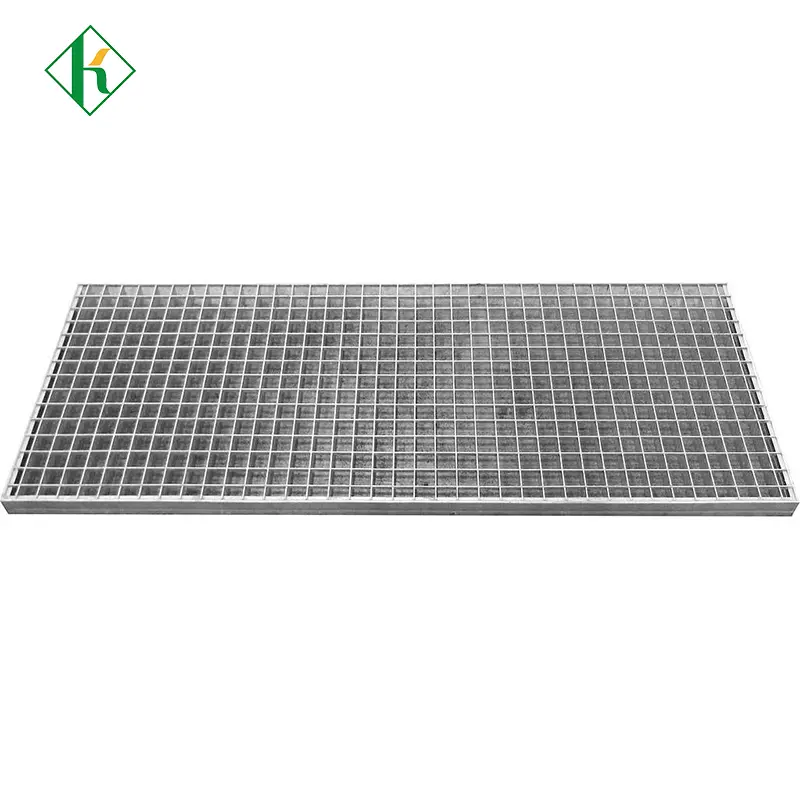
Industrial flooring is rarely just passive infrastructure; it stands as a critical safety component and a vital tool for long-term liability management. For facility managers and engineers, selecting the right material often becomes a high-stakes balancing act. You must weigh immediate budget constraints against rigorous load-bearing requirements, necessary corrosion resistance, and future maintenance realities. A mistake here leads to costly shutdowns or safety hazards.
The marketplace offers numerous options, from lightweight composites to expensive alloys, yet one solution consistently bridges the gap between cost and performance. Hot Dip Galvanized Steel Grating positions itself not as a perfect material for every single niche, but as the optimal middle ground. It successfully balances the structural integrity of carbon steel with the corrosion resistance required for harsh industrial environments, effectively solving the dilemma of performance versus price.
In this guide, we will analyze how this material compares to alternatives like FRP and stainless steel, examine its lifecycle costs, and provide the technical data needed to specify it correctly.

Key Takeaways
Strength-to-Cost Ratio: HDG steel offers higher load-bearing capacity per dollar compared to Stainless Steel or FRP.
The Sacrificial Advantage: Unlike paint or electro-plating, hot-dip galvanization provides a self-healing zinc barrier (ASTM A123) that actively prevents rust spread.
Lifecycle vs. Upfront Cost: While initial costs are higher than painted steel, the maintenance-free lifecycle (50+ years) results in a significantly lower Total Cost of Ownership (TCO).
Compliance Ready: Meets standard ANSI load ratings and OSHA slip-resistance requirements without the fire risks associated with plastics.
Material Comparison: Hot-Dip Galvanized Steel Grating vs. Alternatives
When selecting flooring for an industrial facility, you are essentially choosing between three main categories: composites (plastics), high-grade alloys (stainless), and treated carbon steel. Understanding the Steel grating vs. other flooring materials dynamic is crucial for ensuring safety and budget adherence.
Vs. Fiber Reinforced Plastic (FRP/GRP)
Fiber Reinforced Plastic (FRP) has gained popularity in corrosive environments, but it introduces specific structural risks. The primary decision factors here are Fire Safety and Load Impact.
FRP is known for its memory. If a heavy object drops on it, the material deflects and often bounces back to its original shape. However, this flexibility comes with a lower modulus of elasticity compared to steel. Steel is rigid and offers superior support for heavy, static loads without sagging over time.
The most critical differentiator is fire behavior. While many FRP products contain fire retardants, they are ultimately combustible materials that can release toxic smoke when burned. Steel Grating is non-combustible. In high-heat zones like refineries, power plants, or offshore platforms, steel maintains its structural integrity far longer during a fire event, providing a safer evacuation route for personnel.
Vs. Stainless Steel (304/316)
The debate between galvanized and stainless steel usually centers on Cost vs. Hygiene. Stainless steel (grades 304 or 316) offers excellent corrosion resistance and a sleek appearance, but it represents a massive financial jump.
For general industrial walkways, platforms, and mezzanines, specifying stainless steel is often over-engineering. Unless the facility processes food, pharmaceuticals, or highly reactive chemicals where hygiene is paramount, stainless provides little additional functional value for the extra cost.
We recommend reserving stainless steel for sanitary environments where wash-down protocols involve harsh caustics. For the vast majority of heavy-duty industrial, energy, and logistics applications, Hot-Dip Galvanized (HDG) steel delivers the necessary durability at a fraction of the price.
Vs. Painted & Electro-Galvanized (G.I.) Carbon Steel
Comparing HDG to other coated steels requires a look at Corrosion Mechanics. Not all galvanized products are created equal. This distinction is often where buyers encounter the most confusion regarding Galvanized steel grating advantages.
Electro-galvanized (G.I.): This process uses an electrical current to deposit a very thin layer of zinc onto the steel. It creates a shiny, aesthetic shell that looks good initially but offers minimal protection. It is essentially a surface coating, similar to paint.
Hot-Dip Galvanized (HDG): This involves immersing the steel into a bath of molten zinc heated to around 840°F (449°C). This process creates a metallurgical bond. The zinc doesn't just sit on top; it alloys with the steel surface.
| Feature | Electro-Galvanized (G.I.) | Hot-Dip Galvanized (HDG) |
| Coating Thickness | Thin (0.2 – 0.5 mils) | Thick (3.0 – 5.0+ mils) |
| Bond Type | Mechanical / Surface adhesion | Metallurgical Alloy |
| Outdoor Suitability | Poor (Rapid oxidation) | Excellent (Decades of life) |
| Abrasion Resistance | Low | High (Harder than base steel) |
Warning: Never use Electro-galvanized (G.I.) grating for outdoor walkways or humid industrial interiors. The thin coating will fail rapidly, leading to oxidation and structural compromise.
Analyzing the Self-Healing Durability of Hot-Dip Galvanization
The primary reason HDG is the standard for infrastructure is its ability to protect steel even when damage occurs. This is not magic; it is simple chemistry that provides significant Corrosion resistance in flooring.
The Chemistry of Longevity
HDG steel utilizes Cathodic (Sacrificial) Protection. Zinc is more anodic (electronegative) than steel. In the presence of an electrolyte (like rainwater or humidity), the zinc coating will corrode in place of the steel.
This means if a heavy tool drops on the walkway and creates a deep scratch that exposes the bare steel, the surrounding zinc will sacrifice itself to protect that scratch. It prevents the under-film corrosion (creep) that is common in painted flooring, where rust travels underneath the paint layer and causes it to bubble and peel.
Environmental Resilience
Industrial environments punish flooring materials with more than just physical weight.
Temperature Tolerance: Composite materials like FRP can be sensitive to temperature. Extreme cold can make plastics brittle and prone to cracking under impact, while extreme heat can soften them, reducing their load capacity. HDG steel maintains its structural data across extreme temperature bands, making it suitable for everything from arctic pipelines to desert oil fields.
UV Stability: Sunlight is a silent destroyer of synthetic materials. Over time, UV exposure can cause composites to degrade, fade, or delaminate (fiber bloom). Steel is immune to UV radiation. It does not weaken or lose structural integrity regardless of how many years it sits in direct sunlight.
Service Life Data
When discussing the Durability of steel grating, industry benchmarks are impressive. In typical rural environments, HDG grating can provide a maintenance-free service life of 50 to 70 years. Even in heavy industrial or coastal zones with higher salinity, you can expect 20 to 25 years of protection before any significant maintenance is required.
Structural Performance and Specification Logic
Choosing the right grating involves more than just picking a material; you must specify the geometry that matches your load requirements. This is where the Industrial flooring comparison moves from chemistry to physics.
Load Bearing Standards (ANSI/DIN)
Selection logic starts with traffic type. Are you designing for people or machines?
Light Duty: Designed for pedestrian foot traffic.
Heavy Duty: Designed to support forklifts, trucks, or heavy equipment (often referenced as H-20 loads).
The Bearing Bar dictates the strength. These are the vertical bars that span between supports. Thicker and deeper bearing bars equate to higher load capacity but also increase the weight of the panel. Specification must consult load tables to ensure the bar depth matches the span length.
Pitch (Mesh Size) Selection Strategy
The pitch refers to the spacing between the bearing bars (center-to-center). This spacing changes the characteristics of the floor.
Standard 30mm Centers: This is the industrial standard (often labeled 30/100). It offers excellent load distribution and high impact resistance, making it the default choice for most walkways.
Economy 40mm Centers: This creates a lighter panel with wider gaps. It is a cost-saver for fixed platforms and conveyor walkways where heavy impacts are unlikely, and the load is strictly pedestrian.
Mining 60mm Centers: This is a specific use-case design. In mining and mineral processing, small rocks and debris can get stuck in tighter meshes. A 60mm pitch allows debris to fall through, preventing dangerous weight accumulation on the platform.
Manufacturing Method: Welded vs. Press-Locked
How the cross-bars are attached to the bearing bars matters for both aesthetics and durability.
Welded: The cross bars are resistance-welded to the bearing bars. This creates a fused joint that is incredibly strong and durable. It is the best choice for pure industrial strength where aesthetics are secondary.
Press-Locked: Here, high hydraulic pressure forces the cross bars into slots on the bearing bars. The result is a cleaner joint with no weld flash. Press-locked grating is often preferred for architectural integration or high-traffic mezzanines where a smoother, more premium look is required.
The Financial Case: ROI and Total Cost of Ownership (TCO)
Procurement departments often fixate on the initial purchase price, but this is a shortsighted view of industrial infrastructure. A proper Cost comparison of flooring materials must account for the 50-year lifespan of the facility.
The Pay Once Philosophy
Painted grating is significantly cheaper upfront. However, paint is a surface coating that scratches and wears off. In an active facility, painted steel often requires touch-ups or full repainting every 5 to 7 years.
The cost of repainting includes not just materials, but labor, surface preparation (sandblasting), and—most expensively—operational downtime. HDG steel requires zero intervention for decades. You pay for it once, install it, and forget about it.
Recyclability and Scrap Value
The end-of-life Return on Investment (ROI) is another hidden benefit. Galvanized steel is 100% recyclable. When the facility is decommissioned or renovated, the steel grating has significant scrap value.
Contrast this with composite materials (FRP). Used fiberglass is difficult to recycle and often incurs disposal fees to dump in a landfill. Steel puts money back in your pocket; plastic takes money out.
Installation Efficiency
It is true that steel is heavier than FRP, which can complicate logistics. However, steel has greater span capabilities. Because steel is stiffer, it requires fewer support beams underneath it compared to flexible composites. This reduces the total tonnage of the structural steel framework required to hold the floor up, potentially lowering the total project cost despite the heavier grating panels.
Safety, Compliance, and Installation Risks
Flooring is a safety device. Failures here lead to injuries, lawsuits, and regulatory fines.
Slip Resistance Standards
According to OSHA, falls are a leading cause of workplace injury. Steel grating is available in two primary finishes:
Plain: Smooth surface, suitable for dry goods storage or low-traffic areas.
Serrated: Notched surface on the bearing bars. This increases friction and grip significantly.
For any environment involving oil, water, hydraulic fluid, or outdoor exposure, upgrading to Serrated HDG grating is a necessary safety investment to meet compliance standards.
Design for Drainage and Hygiene
Most steel grating offers an Open Area of approximately 80%. This transparency is crucial. It allows water and chemicals to drain rapidly, preventing slippery puddles. It also allows light to penetrate to lower levels, improving visibility and safety for workers below. In the event of a fire, this open area allows sprinkler water to reach lower levels uninhibited.
Anti-Theft and Security
A detail often overlooked in procurement is security. Steel grating used for trench covers or manholes can be targeted for theft due to its scrap value. Additionally, loose panels can be accidentally displaced by heavy vehicles.
To mitigate this, specify frames with hinge options or security fasteners. Hinged grating creates a safe, accessible access point that cannot be removed from the site or knocked out of place, ensuring the trench remains covered.
Conclusion
While specialized materials have their specific niches—stainless steel for food hygiene and FRP for highly acidic environments—Hot-Dip Galvanized Steel Grating remains the undisputed workhorse of industrial flooring. It wins on the balance sheet and the job site.
By combining high load capacity with a self-healing zinc barrier, HDG steel solves the problem of corrosion without the exorbitant cost of high alloys. Its 50-year maintenance-free lifespan ensures that the Total Cost of Ownership remains lower than almost any other material.
When you are ready to purchase, we advise you to verify that the galvanization meets ASTM A123 certification and double-check your bearing bar thickness against load tables. Do not let under spec'd products compromise the safety of your facility.
FAQ
Q: Can you weld hot-dip galvanized grating after it has been coated?
A: Yes, but it requires caution. Welding galvanized steel produces zinc oxide fumes, which can cause metal fume fever. Welders must use proper ventilation and respiratory protection. Additionally, the heat will burn off the zinc coating at the weld site. You must repair these areas with a zinc-rich paint (cold galvanizing) immediately after welding to restore corrosion protection and prevent rust.
Q: What is the difference between Pre-galvanized and Hot-Dip Galvanized?
A: Pre-galvanized (mill galvanized) steel is coated before being fabricated into grating. When the grating is cut and welded, the raw steel edges are exposed and unprotected. Hot-Dip Galvanized grating is fabricated as raw black steel first, and then the entire finished panel is dipped in zinc. This ensures 100% coverage, including all welds and edges, providing far superior durability.
Q: Does galvanized steel grating rust?
A: Eventually, yes, but the timeline is long. You may see white rust (zinc oxide) initially, which is a natural powdery substance that protects the zinc underneath. Red rust (iron oxide) will only appear once the zinc coating has been completely consumed, which typically takes 50 to 70 years in normal environments or 20+ years in harsh coastal zones.
Q: Is galvanized grating suitable for chemical plants?
A: It depends on the chemicals. Galvanized steel performs well against mild chemicals, solvents, and oils. However, it is not suitable for highly acidic (pH below 4) or highly alkaline (pH above 12) environments, which will strip the zinc rapidly. In these specific chemical zones, FRP or Stainless Steel is the better choice.
Q: How do I calculate the load capacity for steel grating?
A: Load capacity depends on the bar depth, thickness, and span length. Do not guess. You must consult the manufacturer’s load tables and span charts. You need to know if the load is a Uniform Distributed Load (like people standing everywhere) or a Concentrated Load (like a heavy machine foot). Always spec for the worst-case scenario.