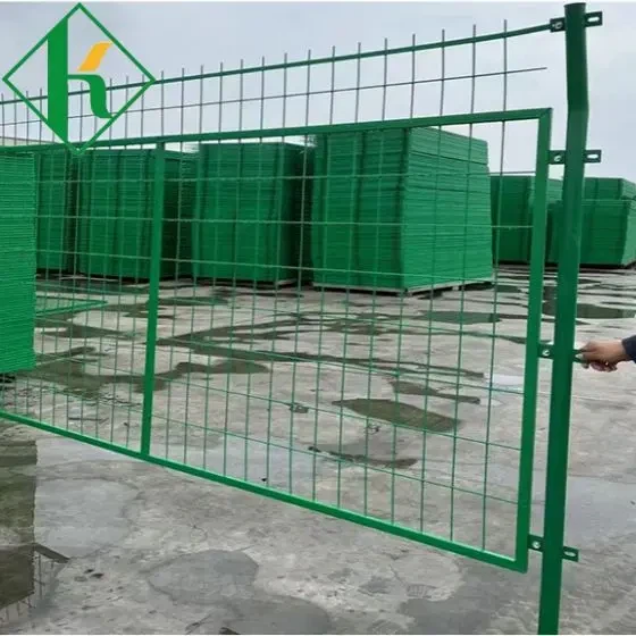
A dependable farm fence is the backbone of every productive agricultural and industrial operation. It protects livestock, secures property boundaries, and helps maintain safety across your land. However, even the strongest fence can weaken over time without consistent care. Moisture, soil movement, animal contact, and seasonal weather all contribute to gradual deterioration. To truly make your investment last, maintenance must be part of your management plan—not an afterthought. At Kaiheng, a professional steel grating and fencing manufacturer located in Hebei Province, China, we combine advanced materials with expert engineering to deliver fences that last for decades. Through proper upkeep, inspections, and smart upgrades, your fence can remain strong, safe, and efficient for years beyond the average lifespan.
Why Scheduled Maintenance Saves Money and Prevents Escapes
Preventive maintenance is the most effective way to extend the life of your fence and reduce operational expenses. Without it, small issues can escalate into structural failures that cost far more to repair. Fence deterioration typically results from corrosion, post rot, loose fittings, animal pressure, or weather exposure. A single weak point can quickly become a breach—putting livestock, equipment, or crops at risk.
Regularly scheduled inspections help catch these problems early. By identifying rust patches, bent panels, or worn fasteners before they fail, you save on both material costs and labor time. Additionally, a well-maintained fence presents a more professional appearance and demonstrates responsibility in farm management. It signals to partners, inspectors, and visitors that safety and efficiency are priorities.
Kaiheng’s fencing products are engineered to minimize common failure risks. Our galvanized and high-tensile steel options provide long-term resistance to rust and tension loss. When paired with seasonal care, these systems maintain their integrity under continuous use—reducing both downtime and replacement frequency.
Seasonal Maintenance Checklist for a Durable Fence
Each season brings different challenges for fences. Adopting a seasonal care routine ensures your system stays strong through every environmental condition.
Spring: Tensioning, Gate Checks, and Ground Repairs
After winter, frost and moisture often shift soil and loosen fence anchors. In spring, inspect each section for leaning posts and re-tension wires where necessary. Test all gate hinges, latches, and locks, applying lubricant to prevent squeaks and rust. Repair soil erosion around post bases and clean away debris that traps water. Spring is also ideal for checking paint or coating damage—touching up these areas prevents corrosion before it starts.
Summer: Vegetation Control to Prevent Rubbing and Sagging
During summer, plants grow rapidly and can press against wires or panels. Excess vegetation retains moisture and accelerates rust formation. Trim grass, vines, and shrubs along both sides of your fence line. Clear pathways not only preserve visibility but also improve airflow, keeping metal dry. Pay extra attention to sections where animals frequently rub or push; reinforce these with additional braces or a second wire strand. Summer’s dry weather also makes it the best time to repaint or apply protective coatings.
Fall/Winter: Storm Preparation and Anchor Checks
As autumn arrives, focus on weatherproofing. Check for loose bolts, inspect anchors, and ensure posts are stable before the first freeze. Apply rust inhibitors on exposed metal and store spare components in dry conditions. During winter, clear heavy snow or ice buildup quickly to prevent sagging. When temperatures fluctuate, water can freeze and expand within small cracks—so sealing minor damage before winter prevents long-term corrosion. A short preventive session each season can double the lifespan of your fence.

Common Fence Failures and Quick Fixes
Even with perfect planning, minor failures will occasionally happen. Learning fast repair techniques reduces downtime and protects your investment.
Broken wires: Use splicing clamps or pre-made joiners for secure reconnection.
Leaning posts: Repack soil firmly or install a small concrete collar at the base for reinforcement.
Rust and corrosion: Remove affected areas with a wire brush, apply primer, and repaint.
Loose gates or hinges: Tighten bolts and grease moving parts to prevent wear.
Animal impact: Reinforce damage-prone sections using stronger mesh or extra rails.
Keeping essential repair tools—pliers, wire tensioners, and fasteners—on hand ensures you can handle emergencies without delay.
When to Repair vs Replace a Fence
It’s important to know when maintenance is no longer enough. If repairs are required too often, or if damage affects multiple sections simultaneously, full replacement may be more economical. Common warning signs include sagging posts that no longer stay upright, multiple rust-through points, or consistent tension loss despite tightening.
Generally, a fence that has exceeded 20 years—especially if built with untreated materials—will likely need replacing. New technologies and improved materials have made modern systems more efficient, lighter, and longer-lasting. Kaiheng’s upgraded galvanized and high-tensile fences are designed to replace outdated installations, reducing both maintenance time and lifetime cost.
Upgrades That Extend Fence Life
If you’re not ready for a full replacement, strategic upgrades can significantly extend your fence’s service life.
Galvanized steel coatings protect against corrosion in humid or coastal environments.
High-tensile conversions add strength and minimize sagging.
Concrete post footings provide stability, especially in loose or wet soil.
Modular sections make replacement of damaged panels easy and efficient.
Protective painting systems block UV damage and prevent rust.
Kaiheng’s industrial-grade fences integrate these improvements seamlessly. Our manufacturing expertise ensures precision in welding, coating, and assembly, resulting in products that remain durable across climates—from dry farms to high-humidity industrial areas.
Maintenance Contract and Warranty Considerations
Beyond product quality, ongoing service makes a major difference. A strong warranty and maintenance plan protect your investment and simplify management. Choose a supplier that offers scheduled inspections, repair coverage, and replacement guarantees.
Kaiheng supports every customer through long-term partnerships. With over 20 years of experience, our company has supplied fencing systems to more than 30 domestic provinces and multiple international markets, including Europe, North America, and the Middle East. We offer customizable maintenance and inspection services tailored to your fence type, climate, and usage intensity. Contact us for a free consultation and discover how a professional maintenance plan can maximize your fence’s lifespan.
Conclusion
A long-lasting farm fence represents more than boundary protection—it’s an investment in efficiency, safety, and peace of mind. Through preventive maintenance, seasonal care, and quality upgrades, you can avoid costly failures and ensure reliable performance for years to come. With Kaiheng’s durable steel fences and expert service support, maintaining your property’s security has never been easier. To explore our full range of agricultural and industrial fencing systems, contact us today for personalized guidance and a detailed quotation.
FAQ
1. How often should I check my farm fence?
Inspect your fence at least twice per year—ideally in spring and autumn—and after major storms. This keeps minor issues from developing into costly damage.
2. What is the best material for a long-lasting fence?
Galvanized or high-tensile steel fences provide the greatest longevity and require minimal maintenance, often lasting 25 years or more.
3. How can I stop corrosion on my fence?
Keep vegetation trimmed, ensure proper drainage, and reapply protective coatings annually. Kaiheng’s galvanized products offer built-in corrosion resistance.
4. Does Kaiheng provide maintenance support?
Yes. Kaiheng offers professional after-sales maintenance and inspection services, helping customers extend the lifespan of their fences with expert care.