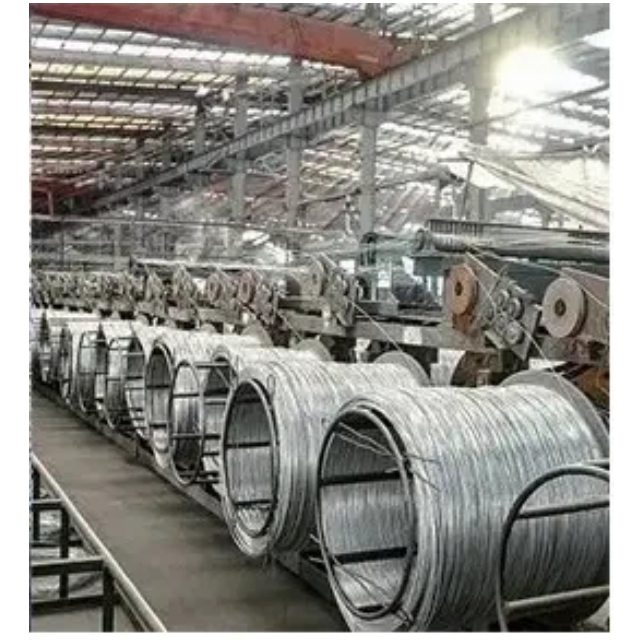
Every livestock species has its own instincts, habits, and behaviors, and the right farm fence must account for all of them. A fence that safely contains cattle might fail with pigs, while one suitable for horses could injure sheep. Understanding these animal-specific needs helps farmers make smarter investments that protect both livestock and land. At Kaiheng, a professional manufacturer of steel and wire mesh products, we supply durable, field-tested fencing materials tailored for every type of livestock environment — from cattle paddocks to poultry enclosures — helping farmers worldwide build strong, safe, and efficient operations.
Why Different Animals Need Different Fences
Designing an effective fence starts with understanding animal behavior. Each species has unique traits that influence how they interact with barriers. Cattle tend to lean and push, testing weak posts. Sheep and goats squeeze through gaps and climb. Pigs root and dig beneath barriers, while horses require wide, visible boundaries to prevent injury. Poultry, meanwhile, face unique threats from above, such as hawks or owls.
A well-designed livestock fencing system considers visibility, height, strength, and mesh size. Animals that jump need height; animals that dig need depth; and animals prone to rubbing need durability. Proper fence selection not only ensures safety but also reduces long-term repair costs and keeps daily operations running smoothly.
Cattle Fencing: Strength and Visibility
Recommended Types for Cattle
Cattle require fences that are both sturdy and highly visible. High-tensile wire fencing is a preferred option because it provides long-lasting strength while remaining cost-effective. Smooth wire strands, either electrified or non-electrified, can deter cattle from pushing or leaning. Post spacing should typically range from 8 to 12 feet apart, ensuring tension is evenly maintained.
Woven wire fences are also popular in cattle operations, especially for pasture rotation systems. These fences resist pressure and bending, keeping large herds contained even when animals crowd around feed or water points. For permanent paddocks, steel posts or concrete bases offer superior longevity and resistance to weather and weight.
Gate and Corner Reinforcement
Because cattle often apply pressure at corners and gates, reinforcement is critical. Diagonal bracing or anchored H-braces prevent sagging and maintain wire tension. Gates should be at least as strong as the main fence, with latches that are easy for humans but impossible for animals to open. Kaiheng offers pre-fabricated gate and corner assemblies designed for high-load resistance, simplifying installation while extending fence life.
Sheep and Goats: Containment and Mesh Height
Sheep and goats are notorious escape artists. Their smaller bodies, combined with natural curiosity, make them adept at finding weak points in fences. A woven wire fence with small mesh openings (no larger than 4 inches) at the bottom is essential, particularly during lambing or kidding seasons when young animals are most vulnerable.
Hinge-joint or fixed-knot woven fences perform best for these animals. They resist bending and prevent goats from slipping their heads through openings. Fence height should be around 42 to 48 inches for sheep, and up to 54 inches for goats, who are known to climb.
Predator control is another concern. Coyotes, foxes, and stray dogs often target small livestock. To protect against these threats, burying the bottom of the fence several inches underground or adding an electrified offset wire can help deter digging predators. Kaiheng’s galvanized woven mesh ensures rust resistance even in moist pastures, ensuring secure boundaries year after year.

Pigs and Hogs: Rooting Resistance and Paneling
Pigs are strong, intelligent, and excellent diggers. Their instinct to root beneath the soil requires fences that emphasize ground-level strength. Heavy-gauge woven wire or steel panels with tight spacing near the base prevent escape. For permanent pig pens, burying at least 8 to 10 inches of the fence underground or installing a buried apron fence can eliminate undermining.
Electric fencing is another effective deterrent for pigs, especially if combined with solid wire or panels. Proper grounding ensures the system delivers a mild but memorable shock, discouraging rooting or leaning.
Kaiheng’s welded mesh and steel fence panels are designed for durability and corrosion resistance, ideal for high-humidity or manure-rich pig enclosures. Whether for breeding pens or free-range pastures, the goal is always the same: prevent escapes while maintaining animal comfort and safety.
Poultry Enclosures: Mesh, Netting, and Overhead Protection
Poultry fencing presents a different challenge — keeping birds in while keeping predators out. Chickens, ducks, and turkeys need fine mesh fencing to prevent escapes and exclude weasels or snakes. Hardware cloth with ½-inch or smaller openings provides the best protection.
For outdoor runs, welded wire or galvanized steel netting maintains shape and resists rust. To protect against aerial predators, overhead netting or wire is essential. Securely covering the top of the enclosure prevents hawks or owls from entering.
Another key factor is ventilation and light. Poultry thrive in environments where fencing allows adequate airflow and sunlight penetration. Kaiheng’s lightweight yet strong mesh designs balance protection with comfort, ensuring birds have a safe, open environment for healthy growth.
Horses: Safety and Visibility
Horses are large, fast-moving animals, and their fencing must prioritize visibility and impact safety. Poorly visible or sharp-edged fences can lead to serious injuries. Post-and-rail or board fencing remains a classic and reliable choice for horses. Its solid structure provides clear visibility and prevents entanglement.
Vinyl or synthetic rail fencing offers a modern alternative with reduced maintenance requirements. These materials resist splintering and cracking, while their flexibility minimizes injury risk if a horse makes contact.
High-tensile smooth wire can also be used, but it must be paired with visible top rails or tape to prevent accidental collisions. Fence height should range between 54 and 60 inches, ensuring even the tallest horses remain contained. Kaiheng provides a range of smooth wire and mesh fence systems suitable for equestrian facilities, racetracks, and paddocks, blending aesthetics with robust function.
One-Page Design Checklist for Each Animal
Here’s a quick reference guide summarizing the ideal fence specifications for common livestock types:
Animal | Recommended Height | Mesh Opening | Key Material | Post Spacing | Special Feature |
Cattle | 48–54 in | N/A (wire strands) | High-tensile or woven wire | 8–12 ft | Strong corner bracing |
Sheep/Goats | 42–54 in | ≤4 in | Fixed-knot woven mesh | 8–10 ft | Buried edge for predators |
Pigs | 36–48 in | ≤6 in | Heavy-gauge welded mesh | 6–8 ft | Buried panel or apron fence |
Poultry | 24–48 in | ≤½ in | Hardware cloth / netting | 6–8 ft | Overhead cover |
Horses | 54–60 in | N/A (rails) | Wood / vinyl / smooth wire | 8–10 ft | High visibility rail |
These specifications can serve as a practical planning guide for farmers designing new paddocks or updating existing infrastructure. Kaiheng’s production expertise ensures every fence product meets these performance needs with precision, reliability, and durability.
Conclusion
Choosing the right fence design for each species is crucial to maintaining safety, efficiency, and long-term farm success. From cattle to horses, every animal requires a fencing solution that balances behavior, durability, and maintenance needs. With Kaiheng’s expertise in steel and wire mesh manufacturing, livestock owners can build reliable enclosures that last. Whether you’re planning a new installation or upgrading existing structures, our livestock fencing systems are designed to perform in the toughest agricultural environments.
Contact us today to learn more about our fencing options, get professional design advice, and request a free quote from Kaiheng.
FAQ
1. What is the best type of farm fence for mixed livestock operations?
A combination system works best. High-tensile wire for cattle, smaller mesh for sheep or goats, and hardware cloth for poultry ensure each species stays secure without conflict.
2. How deep should a farm fence be buried to stop digging animals?
For pigs and predators, bury at least 8 to 10 inches of the fence underground or install a buried apron extending outward to prevent undermining.
3. How often should I inspect and maintain farm fencing?
Inspect fences seasonally or after storms. Tighten wires, repair posts, and replace any rusted sections to maintain safety and strength.
4. Does Kaiheng provide custom fencing for large farms or commercial livestock operations?
Yes. Kaiheng offers customizable mesh sizes, wire gauges, and panel lengths to fit farms of all sizes and livestock types, ensuring the best protection and durability possible.