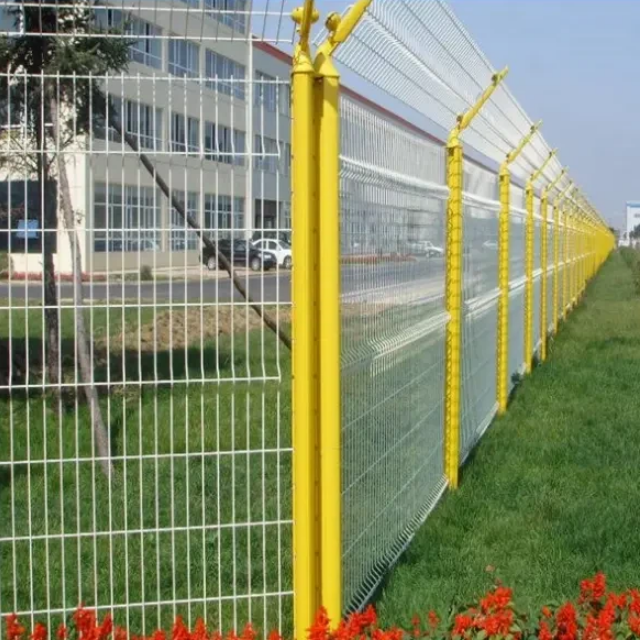
Farmers and ranchers face a constant battle against grazing animals straying, predators threatening livestock, and opportunistic theft that can compromise both safety and productivity. Ensuring the security of livestock, crops, and equipment is crucial for maintaining farm efficiency and profitability. Steel fence solutions from Kaiheng, a professional manufacturer with over 20 years of experience in steel grating and fencing production, offer a reliable answer for agricultural security. With their strength, durability, and versatility, steel fences have become a preferred choice for farms of all sizes, providing peace of mind and long-term protection that traditional fencing materials often cannot match.
Agricultural Threats: Grazing Control, Predators, Trespass, and Equipment Theft
Agriculture presents unique challenges that require robust perimeter solutions. Farmers must balance grazing management, animal protection, and property security simultaneously. Grazing control is essential to prevent livestock from wandering into hazardous areas, neighboring fields, or roads, which can cause accidents or damage to crops. Predators, from foxes to coyotes, pose a direct threat to livestock, particularly smaller animals like sheep, goats, or young calves, and can have a significant economic impact if left unchecked. Additionally, unauthorized trespassing can result in crop damage, stolen livestock, or damaged farm infrastructure. Equipment theft is another growing concern for rural properties, as machinery and tools are often high-value targets with limited on-site surveillance. By providing a robust, reliable barrier, steel fences help mitigate all these threats while maintaining farm productivity and safety.
Differences Between Field Fencing and Livestock Fencing Needs
Not all agricultural fences are created equal. Field fencing primarily focuses on boundary marking and crop protection, typically requiring a taller, sturdy structure that can withstand accidental vehicle impacts and seasonal weather conditions such as high winds or heavy snow. Livestock fencing, in contrast, emphasizes containment and safety. The materials must prevent escape, minimize injury, and endure repeated contact from animals pushing, rubbing, or leaning against the fence. Steel fence systems excel in both applications due to their exceptional tensile strength, long-lasting durability, and adaptability to different farm conditions, making them a superior alternative to wood or plastic fencing options.
Steel Fence Types Adapted for Farms: Woven Wire, Mesh Panels, Pipe-and-Rail, Hybrid Systems
Steel fences come in various designs, each suited for specific farm applications. Woven wire fences provide high containment for small livestock such as sheep or goats while offering visibility across the farm landscape. Mesh panels combine strength and convenience, ideal for larger animals like cattle or horses, while allowing for easy installation and modular expansion. Pipe-and-rail systems are often chosen for horse enclosures due to their smooth surfaces, reducing the risk of injury from rubbing or kicking. Hybrid systems can integrate different materials and designs to address multiple threats simultaneously, combining the containment of mesh with the visibility and aesthetic appeal of rails. These diverse options allow farmers to choose the most appropriate solution based on their livestock, property size, and security priorities.
When to Choose Steel Mesh vs. Pipe Rails
Choosing between steel mesh and pipe rails depends on the type of livestock and the farm’s operational priorities. Steel mesh excels in areas where containment and predator prevention are critical, offering tight spacing that prevents animals from slipping through and keeps smaller predators out. Pipe rails are preferable in settings emphasizing aesthetics, minimal maintenance, and visibility, such as equestrian facilities or high-traffic paddocks. Kaiheng’s steel fence products provide both options with varying heights, gauge sizes, and coatings to suit local conditions and livestock needs. Moreover, steel fencing allows for modular adjustments as the farm expands or livestock types change, providing flexibility that other materials cannot easily match.

Animal Welfare & Durability: Why Steel Is Often Better for Livestock Containment
Animal welfare is a central concern for any livestock operation. A well-constructed steel fence reduces the risk of injury by providing smooth, robust surfaces that withstand animal impact without splintering, bending, or breaking. Unlike wood, which can rot or splinter, or lower-grade wire fencing that may sag or rust, steel maintains its integrity over years of exposure. Properly designed fences prevent escapes, protect animals from external threats, and contribute to a safer, more secure farm environment. The long-term stability of steel fencing also minimizes the labor and costs associated with frequent repairs, allowing farm owners to focus on animal care and operational efficiency.
Preventing Injury, Escape, and Long-Term Stability
Steel fences are engineered to withstand environmental stressors such as wind, rain, and snow, which can compromise weaker fencing materials. Well-galvanized steel resists corrosion, ensuring consistent performance over decades. Posts are securely anchored to reduce the risk of toppling, and mesh or rail designs are optimized to prevent animals from becoming trapped or injured. Farms with high-value livestock or frequent predator activity benefit significantly from investing in high-quality steel fencing to safeguard both animal welfare and operational continuity. The long-lasting nature of steel fences also supports rotational grazing practices by maintaining consistent boundaries without sagging or breaking.
Cost vs. Longevity: Lifecycle and Maintenance for Rural Installations
While the initial investment in steel fencing may be higher than some alternatives, the total lifecycle cost often proves lower due to reduced maintenance, fewer replacements, and enhanced durability. Wood fences may require annual staining or replacement, and lower-grade wire fences may sag, rust, or require constant tensioning. Steel fences offer predictable longevity, particularly when galvanizing or powder-coated finishes are applied to resist soil moisture and weathering. Maintenance primarily involves occasional inspections, cleaning, and minor repairs for localized damage, making them a cost-effective solution for long-term farm security. Over time, the cost savings in repairs, livestock protection, and reduced theft risk can far outweigh the upfront expense.
Soil and Moisture Considerations, Galvanizing, and Repair Tips
Soil conditions can impact the longevity of fence posts. Steel posts should be installed in well-drained areas when possible, or treated to resist corrosion in high-moisture soils. Galvanized coatings provide a robust barrier against rust, while powder-coated options add aesthetic appeal for farms where visual presentation matters. Minor damage such as bent rails or mesh panels can be repaired efficiently without requiring full replacement, preserving both the structural integrity and overall appearance of the fence. Proper planning, installation, and routine inspections ensure that steel fences continue to deliver optimal performance over decades.
Combining Fences with Gates, Sensors, and Farm Access Systems
A comprehensive farm security strategy often integrates fences with gates, electronic locks, and monitoring systems. Steel fences provide a strong foundation for automated gates and access controls, improving operational efficiency while limiting unauthorized entry. Sensor systems can detect breaches, providing real-time alerts for potential trespassers or predator activity. By combining physical barriers with technology, farms can reduce theft risk, manage livestock movement more effectively, and enhance overall property security. The versatility of steel fences makes them compatible with advanced farm management systems, ensuring seamless integration with modern agricultural technology.
Protecting Machinery & Reducing Opportunistic Theft
Steel fencing around equipment storage areas, barns, and feed stockpiles acts as both a deterrent and a barrier against opportunistic theft. High-strength panels and secure gate installations restrict access while allowing authorized personnel to move freely. This is particularly important in regions where farms are spread across large areas and monitoring every corner is impractical. Integrated steel fence solutions balance accessibility with robust security, ensuring that farm machinery and supplies remain safe throughout the year. By securing high-value assets, steel fences contribute to operational continuity and peace of mind for farm owners.
Environmental & Aesthetic Options: Green Decorative Panels on Farms and Countryside Properties
Beyond practical security, steel fences offer aesthetic flexibility for farms and rural properties. Decorative panels with green finishes or powder-coated colors blend seamlessly with natural surroundings while maintaining the protective benefits of steel. Farms aiming for a visually appealing perimeter that complements landscaping or eco-tourism areas can benefit from designs that marry security with style. Such fencing solutions ensure that functional farm infrastructure does not detract from the property’s overall appearance, promoting harmony between operational and visual goals. In addition, these fences can improve the perceived value of a property, making them a smart investment for both protection and presentation.
Conclusion
For farmers, ranchers, and agricultural contractors, steel fence solutionsfrom Kaiheng provide a robust, durable, and versatile method to protect livestock, crops, and farm assets. Combining strength, longevity, and aesthetic flexibility, steel fencing meets the diverse challenges of modern agriculture, from predator prevention to grazing management and theft reduction. By choosing Kaiheng’s steel fence products, farms can enjoy enhanced security and peace of mind while reducing long-term maintenance costs. Contact us today to explore how our steel fencing systems can safeguard your farm and provide reliable performance for decades.
FAQ
Q1: What types of steel fences are best for livestock containment?
A1: Woven wire and mesh panels are ideal for small to medium livestock, while pipe-and-rail designs suit larger animals like horses. Hybrid systems can combine these for multiple farm needs.
Q2: How does steel fencing compare to wood or traditional wire in terms of durability?
A2: Steel fencing is highly durable, resisting corrosion and weathering much longer than wood or low-grade wire, resulting in fewer repairs and replacements.
Q3: Can steel fences help prevent predator attacks?
A3: Yes, tightly spaced mesh or woven wire steel fences provide a strong barrier against predators while keeping livestock secure inside.
Q4: Are decorative steel fence options available for farms?
A4: Yes, powder-coated or green-finished panels offer both security and visual appeal, suitable for countryside properties and eco-friendly farms.