Fibreglass grating is a versatile material used in various industries, from construction to chemical plants. However, cutting it to size can be challenging without the right knowledge and tools. In this article, we’ll walk you through the essential steps and safety precautions for cutting fibreglass grating. By following these guidelines, you'll ensure precise cuts and a safe work environment.
Introduction: Understanding the Importance of Properly Cutting Fibreglass Grating
Fibreglass grating is a versatile material used in various applications, from industrial walkways to drainage covers. Its lightweight, non-corrosive properties make it an ideal choice for areas exposed to harsh chemicals or extreme weather. However, when installing fibreglass grating, you may need to cut it to fit specific dimensions.
Proper cutting techniques are essential for achieving clean, precise cuts, ensuring safety, and maintaining the grating's integrity. This guide will help you navigate the process of cutting fibreglass grating, from preparation to finishing touches.
Safety First: Essential Precautions When Cutting Fibreglass Grating
Cutting fibreglass grating can generate harmful dust, which can cause skin irritation, respiratory issues, or eye injuries. Therefore, ensuring the right safety precautions are in place is critical.
Personal Protective Equipment (PPE) for Cutting Fibreglass Grating
When cutting fibreglass grating, always wear the appropriate PPE to protect yourself from harmful dust and debris. The essential gear includes:
● Gloves: To prevent skin irritation from fibreglass particles.
● Safety Glasses: To protect your eyes from flying shards and dust.
● Dust Mask/Respirator: To avoid inhaling hazardous dust particles. A NIOSH-approved mask is recommended.
Work Area Preparation
Prepare your work area by ensuring proper ventilation and reducing the risk of airborne dust:
● Work in a well-ventilated space, preferably outdoors.
● Use a dust collection system, or set up a fan to direct dust away from your face.
● Ensure the work area is free of obstacles that could lead to accidents or distractions.
Hazards of Fibreglass Dust and How to Avoid It
Fibreglass dust can cause skin rashes, respiratory issues, and eye irritation. To minimize exposure, consider these precautions:
● Always wear long sleeves, gloves, and protective clothing to reduce direct contact with fibreglass dust.
● Use a respirator designed for fibreglass particles to protect your respiratory system.
● Clean up fibreglass dust immediately after cutting using a vacuum with a HEPA filter to ensure it doesn't linger in the air.
Tools and Materials You Need to Cut Fibreglass Grating
Having the right tools is key to making clean and accurate cuts in fibreglass grating.
Choosing the Right Cutting Tools
The choice of cutting tool depends on the complexity and type of cuts required:
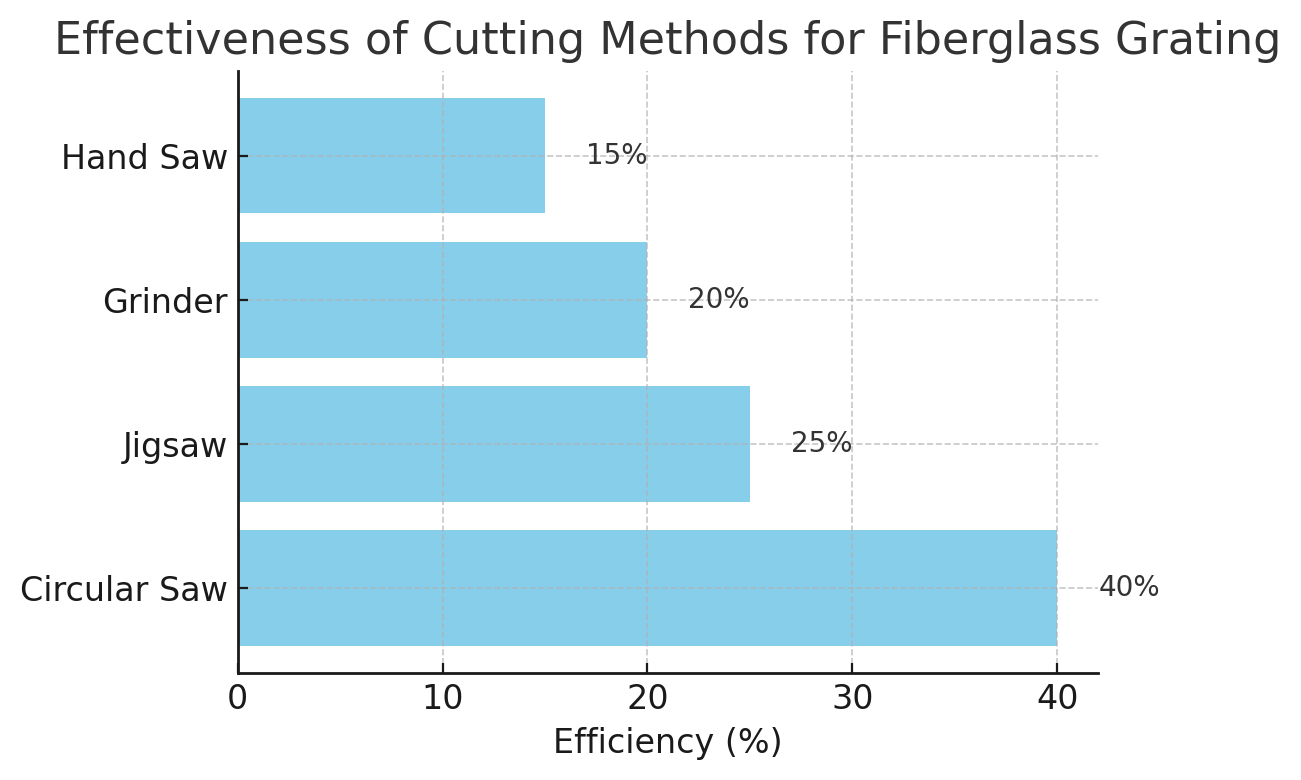
● Circular Saws: Ideal for straight cuts. Use a fine-toothed blade for the cleanest cut. A diamond-tipped blade is highly recommended for its durability and ability to cut through fibreglass smoothly.
● Jigsaws: Best for cutting curves or intricate shapes. Use a jigsaw equipped with a fiberglass-cutting blade.
● Grinders: Suitable for detailed cuts and smoothing rough edges. Choose a grinder with a diamond blade for cleaner results.
Supporting and Securing the Grating
To avoid accidents or inaccurate cuts, secure the fibreglass grating properly:
● Clamps: Use clamps to hold the grating in place on a stable work surface. This will prevent it from shifting during cutting.
● Sacrificial Lumber: Place a piece of scrap wood underneath the grating to prevent damage to the surface and to absorb the cutting blade's impact.
Measuring and Marking the Grating
Accurate measurements are crucial for precise cuts. Here's how to measure and mark the grating:
● Measuring Tape: Use a tape measure to determine the exact dimensions needed for your project.
● Marking Pen or Tape: Mark the cutting lines clearly with a pencil or tape to ensure accuracy.

Step-by-Step Guide to Cutting Fibreglass Grating
Follow these steps to ensure a clean and precise cut when working with fibreglass grating.
Preparing the Grating: Measuring and Marking
Before you begin cutting, measure the required dimensions of the grating carefully:
● Use a measuring tape to mark the length and width of the piece to be cut.
● Double-check the dimensions to avoid errors.
● Mark the cutting line with a pencil or tape for added accuracy.
Cutting Straight Edges: Best Tools and Techniques
For straight cuts, a circular saw is the most efficient tool. Here's how to use it:
● Blade Selection: Use a fine-toothed, carbide-tipped blade or a diamond-tipped blade for the cleanest cuts.
● Cutting Process: Follow the marked lines, ensuring a steady push as the saw moves through the material.
● Control the Speed: Maintain a consistent cutting speed to avoid excessive heat buildup and prevent damage to the grating.
Cutting Curved or Angled Edges: Using a Jigsaw or Grinder
For curved or angled cuts, a jigsaw is your best option:
● Jigsaw Blade: Choose a jigsaw equipped with a blade designed for cutting fibreglass. Ensure that it has fine teeth to prevent chipping.
● Grinder: For intricate cuts, use a grinder with a diamond blade. This tool is ideal for making precise adjustments to your cuts.
Finishing Touches: Smoothing and Sealing the Cut Edges
Once you've made your cuts, it's essential to smooth and seal the edges to prevent damage and enhance the longevity of the fibreglass grating.
Smoothing Rough Edges After Cutting
After cutting the grating, use the following tools to smooth out rough edges:
● File or Sandpaper: Use a fine file or sandpaper to remove any sharp or jagged edges.
● Grinder: A grinder can also be used for larger cuts, ensuring a smooth and even surface.
Sealing Cut Edges to Prevent Corrosion
Exposed fibreglass strands can be vulnerable to moisture and chemicals, leading to corrosion over time. Seal the cut edges using the following method:
● Epoxy Sealer: Apply a coat of epoxy sealer to the cut edges to protect against corrosion and maintain the grating’s integrity.
● UV Protection: Consider using a UV-resistant sealant to prevent degradation from sunlight exposure.
Cleaning Up and Post-Cutting Safety
Once you've finished cutting the fibreglass grating, it's essential to clean the area properly and store your tools safely.
Cleaning Fibreglass Dust Safely
Fibreglass dust is hazardous if not disposed of properly. Follow these steps to clean up effectively:
● Use a Vacuum: Clean the work area with a vacuum fitted with a HEPA filter to remove fine dust particles.
● Wet Wiping: Use damp cloths to wipe down surfaces and remove any remaining dust.
Storing Tools and Materials
To ensure that your tools and materials last longer:
● Store your cutting tools in a dry, secure place to avoid rust or damage.
● If you have leftover fibreglass grating, keep it stored in a safe, dry location for future use.
Conclusion: Best Practices for Cutting Fibreglass Grating
Cutting fibreglass grating can be simple with the right tools and safety measures. Always wear protective gear and work in a well-ventilated area. Choose the proper cutting tools for different cuts and ensure you smooth and seal the edges after cutting to maintain durability. By following these guidelines, you can confidently complete your fibreglass grating project.
For top-quality fibreglass grating solutions, Kaiheng offers durable and reliable products, ensuring a long-lasting performance for various applications.
FAQ
Q: What tools do I need to cut fibreglass grating?
A: To cut fibreglass grating, you'll need a circular saw with a fine-toothed blade, a jigsaw for curves, or a grinder for intricate cuts. Using diamond-tipped blades provides the best results.
Q: How do I prevent dust when cutting fibreglass grating?
A: Wear a dust mask or respirator and ensure proper ventilation. A dust collection system will help minimize airborne fibreglass particles during cutting.
Q: Can I cut fibreglass grating with a hand saw?
A: While it's possible, a hand saw can be slow and may not give the cleanest cut. It's better to use a circular saw with a fine-toothed blade for better results.
Q: Why should I seal the edges of fibreglass grating after cutting?
A: Sealing the edges prevents moisture and chemicals from penetrating, which helps to protect the exposed fibreglass strands and prolongs the grating's durability.
Q: What is the best way to smooth cut edges of fibreglass grating?
A: Use a file or sandpaper to smooth rough edges after cutting. This will prevent sharp edges from causing safety hazards.
Q: Is fibreglass grating cost-effective for large projects?
A: Yes, fibreglass grating is lightweight, durable, and corrosion-resistant, making it a cost-effective option for large-scale projects when compared to steel or aluminum alternatives.