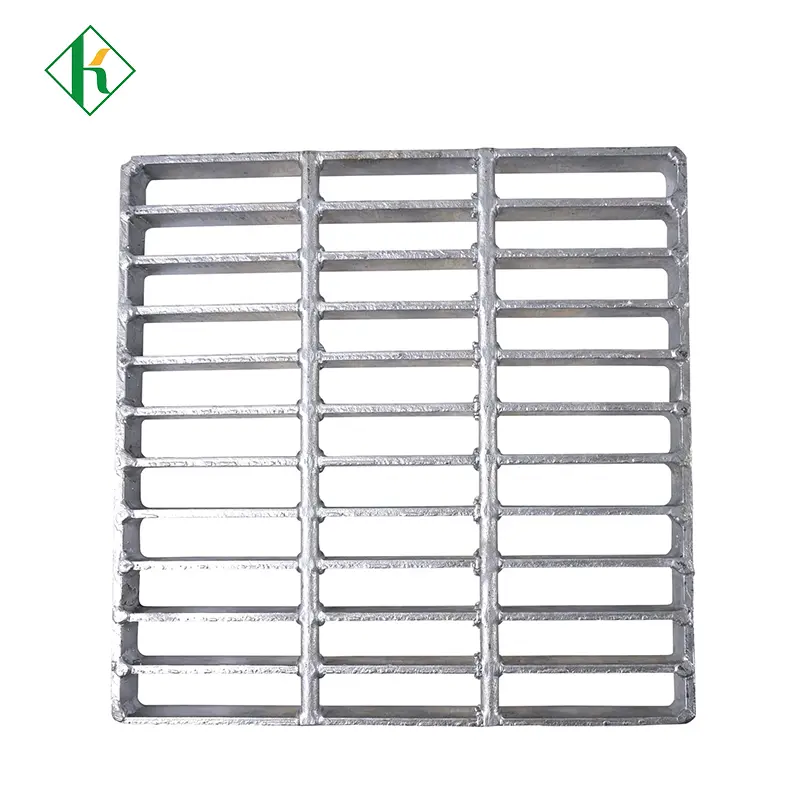
Industrial flooring and walkways face constant abuse. From heavy mechanical impact and vibration to chemical spills and relentless atmospheric corrosion, the environment in which your infrastructure exists is actively trying to destroy it. For facility managers and engineers, choosing the wrong material often leads to safety hazards, frequent maintenance shutdowns, and inflated replacement costs that skyrocket the Total Cost of Ownership (TCO).
To combat these challenges, Hot Dip Galvanized Steel Grating has emerged not just as a product choice, but as a strategic asset protection method. It transforms standard carbon steel into a durable, self-healing composite capable of withstanding decades of harsh exposure. In this guide, we will explore the technical why behind hot-dip galvanization’s dominance and validate its ROI for procurement managers seeking long-term reliability.

Key Takeaways
Triple-Layer Defense: HDG offers barrier protection, cathodic (sacrificial) protection, and a self-healing patina, outlasting paint by decades.
Metallurgical Bond: Unlike surface coatings, the zinc alloy becomes part of the steel, offering abrasion resistance harder than the base metal.
Lowest TCO: While initial costs are higher than black steel, the Time to First Maintenance (TFM) can exceed 50–70 years, eliminating recurring upkeep.
Versatility: Suitable for extreme environments ranging from offshore marine platforms to agricultural facilities exposed to ammonia.
The Engineering Case: How Hot-Dip Galvanization Protects Steel Grating
Many specifiers view galvanization merely as a surface coating, similar to paint. However, the process is fundamentally different. When steel is submerged in molten zinc at approximately 840°F (449°C), a metallurgical reaction called diffusion occurs. This reaction creates a series of zinc-iron alloy layers that are integrated into the steel itself, rather than just sitting on top of it. This unique bonding process provides robust corrosion resistance that painted surfaces cannot replicate.
The
Three-Defense Mechanism
The longevity of hot-dip galvanized (HDG) grating relies on a triad of protective mechanisms that work simultaneously:
Barrier Protection: The zinc coating acts as an impermeable shield, physically isolating the underlying steel from moisture, oxygen, and electrolytes. Unlike paint, which is porous and can allow moisture to seep through over time, zinc forms a dense metallurgical block.
Cathodic Protection: This is the most critical differentiator. Zinc acts as a sacrificial anode. If the coating is deeply scratched or cut—exposing the steel—the surrounding zinc will corrode in preference to the steel. This self-healing ability ensures that rust does not undercut the coating, preventing the spread of corrosion.
Zinc Patina: Over time, the zinc surface reacts with the atmosphere to form insoluble zinc byproducts (zinc oxide, zinc hydroxide, and zinc carbonate). This patina creates a passive film that slows the corrosion rate of the zinc itself to approximately 1/30th that of bare steel.
Edge & Corner Coverage vs. Paint
A major failure point for painted Steel Grating is the edges. Liquid coatings naturally thin out at sharp corners due to surface tension, leaving the most vulnerable parts of the grating with the least protection. Hot-dip galvanization behaves differently. The zinc coating grows perpendicular to the steel surface during the diffusion process. Consequently, corners and edges often receive a coating that is equal to, or even thicker than, the flat surfaces. Since grating is composed almost entirely of edges and intersections, this uniform coverage is vital for structural integrity.
Abrasion Resistance and Hardness
In heavy industrial environments, flooring is subjected to constant friction from boots, forklifts, and dragged equipment. The HDG coating structure consists of three intermetallic layers (Gamma, Delta, and Zeta) and a top layer of pure zinc (Eta). Remarkably, the Delta and Zeta alloy layers are harder than the base steel itself. This distinct hardness profile makes HDG grating exceptionally resistant to mechanical damage, ensuring it remains intact even in high-traffic zones.
Evaluating ROI: The Total Cost of Ownership (TCO) Advantage
Procurement decisions are often driven by the initial purchase price, leading some to choose painted or black steel. However, this approach ignores the lifecycle reality of industrial assets. While HDG implies a premium upfront cost compared to minimal protection systems, it consistently proves to be the most cost-effective flooring solution when measured over the lifespan of a facility.
Initial vs. Lifecycle Cost
Cheap steel options quickly become expensive liabilities. Painted systems require touch-ups within a few years and full repainting cycles every 10 to 15 years. In complex industrial settings, the cost of labor, sandblasting, and containment often exceeds the original material cost. Furthermore, maintenance shutdowns disrupt production, adding indirect costs that dwarf the price of the grating.
The table below illustrates a typical 30-year cost comparison for a standard industrial walkway project:
| Cost Factor | Painted Steel Grating | Hot-Dip Galvanized Grating |
| Initial Material Cost | Low | Medium |
| Maintenance Cycle 1 (Year 10) | High (Blast & Repaint) | $0 |
| Maintenance Cycle 2 (Year 20) | High (Blast & Repaint) | $0 |
| Production Downtime Costs | High | None |
| 30-Year Total Cost of Ownership | Very High | Low (Initial Cost Only) |
Time to First Maintenance (TFM)
Engineers use the metric Time to First Maintenance (TFM) to predict asset longevity. In average industrial environments, HDG grating often demonstrates a TFM exceeding 50 to 75 years. This effectively means that for many projects, the grating is a install and forget component. This maintenance-free flooring reality is particularly crucial for hard-to-reach areas like high-elevation catwalks or mezzanine levels where access is dangerous and costly.
Sustainability & Recyclability
Modern corporate sustainability goals also favor HDG. Both zinc and steel are 100% recyclable without the loss of properties. The long service life of galvanized products means less energy is consumed in replacement manufacturing. Utilizing HDG products contributes to LEED points and aligns with Environmental Product Declarations (EPD), proving that durability is a key component of green building.
Strategic Applications: Matching Grating to Environmental Stress
Not all environments are created equal. The specific steel grating applications determine the necessity of high-performance protection. HDG is engineered to perform where other materials fail.
Marine & Offshore
Salt spray is the nemesis of carbon steel. In docks, oil rigs, and coastal infrastructure, airborne salinity accelerates oxidation rapidly. HDG is the global standard for these zones because the zinc patina is insoluble in water. It resists the corrosive attack of chlorides, ensuring structural safety in marine environments where painted steel would blister and fail within months.
Chemical & Waste Treatment
Wastewater treatment plants present a complex chemical profile, often involving hydrogen sulfide and fluctuating pH levels. The industrial use of steel grating in these facilities requires resistance to organic corrosion. While extreme acids may require stainless steel or specialized vinyl esters, HDG offers excellent resistance to neutral and moderately alkaline solutions found in water treatment, providing a durable walkway over clarifying tanks and filtration systems.
Agriculture & Livestock
Ammonia, generated from animal waste, is highly aggressive toward metals. Agricultural facilities, such as pig pens and cattle barns, rely on galvanized grating not only for its strength but for its chemical stability against ammonia. It withstands the corrosive agents found in manure and fertilizers significantly better than standard carbon steel, maintaining a hygienic and safe surface for livestock.
Heavy Industrial & Manufacturing
Factories utilizing heavy machinery require flooring that withstands vibration and dynamic loads. Electroforged HDG grating is the preferred choice here. The process fuses the bearing bars and cross rods into a single unit before galvanizing. This creates a vibration-proof, permanent joint that does not rattle or loosen over time, unlike mechanical locking methods.
Selection Guide: Specifying the Right HDG Grating for Your Project
Choosing the correct specification ensures safety and compliance. When ordering Steel Grating, consider the following variables to match the product to your operational needs.
Surface Profile (Safety Compliance)
Safety managers must balance ease of cleaning with traction.\n
Plain/Smooth Surface: Ideal for general-purpose walkways where slip hazards are minimal. It is easier to clean and comfortable for walking.
Serrated Surface: Essential for wet, oily, or icy environments. The notched bearing bars provide superior grip, ensuring OSHA compliance in slippery zones like refineries or outdoor platforms.
Mesh Density & ADA Compliance
The spacing of the bars dictates what can pass through the floor.\n
Standard Mesh: Typically 19-W-4 spacing (1-3/16 centers). This maximizes airflow and light penetration, making it perfect for industrial observation platforms and drainage covers.
Close-Mesh: In public pedestrian zones, standard grating poses a trip hazard for high heels or walking canes. Close-mesh grating reduces the opening size to meet ADA (Americans with Disabilities Act) standards, preventing small objects from falling through while ensuring accessibility.
Load Bearing Capacity
You must distinguish between light foot traffic and heavy vehicular loads. A H-10 rating indicates capacity for a 10-ton truck, while H-20 supports 20 tons. The depth and thickness of the bearing bars are the primary drivers of load capacity. Consult load tables carefully; undersizing the bar depth can lead to dangerous deflection.
Material Standards
To ensure quality, always specify adherence to standards such as ASTM A123. This specification governs the zinc coating thickness, adherence, and finish. For heavy-duty applications, verify that the vendor provides a minimum coating thickness (often 86 microns or higher for heavy gauge materials) to guarantee maximum service life.
Comparative Analysis: When to Choose HDG vs. Alternatives
Understanding the advantages of galvanized steel grating requires a direct comparison with its market alternatives.
HDG vs. Painted/Black Steel
Verdict: Paint is viable only for dry, climate-controlled interiors where aesthetics are the only priority. In any outdoor, humid, or industrial scenario, HDG wins decisively. The maintenance costs of painting quickly surpass the upfront savings of black steel.
HDG vs. Stainless Steel
Verdict: Stainless steel offers superior hygiene (food grade) and resistance to extreme acids but comes at 3 to 4 times the cost of galvanized steel. For general industrial utility, power plants, and walkways, HDG is the mathematically superior choice. Reserve stainless steel for food processing, pharmaceuticals, or extreme chemical immersion.
HDG vs. FRP (Fiberglass Reinforced Plastic)
Verdict: FRP is non-conductive and impervious to many chemicals, making it excellent for electrical substations or highly acidic plating lines. However, FRP lacks the impact strength of steel and can be brittle in extreme cold. If fire codes or heavy impact resistance are concerns, galvanized steel is the safer, more robust option.
Conclusion
Hot-dip galvanized steel grating is not merely a flooring option; it is a long-term infrastructure investment. By trading a marginal upfront cost premium for decades of performance, facility owners effectively eliminate the maintenance budget for their walkways and platforms. The metallurgical bond, self-healing cathodic protection, and extreme abrasion resistance make it the standout winner for industrial environments.
For projects requiring structural integrity, impact resistance, and weatherproofing, HDG remains the superior choice over painted or bare steel. We encourage you to review your site's environmental exposure class before specifying your next project and always request mill certificates to verify zinc coating thickness, ensuring you get the protection you paid for.
FAQ
Q: How long does hot-dip galvanized grating last outdoors?
A: In rural or suburban environments, HDG grating can last 50 to 70+ years without maintenance. In heavy industrial or coastal marine environments with high salinity, the service life is typically 20 to 30+ years. Longevity is directly proportional to the zinc coating thickness and the severity of environmental corrosion.
Q: Can you weld galvanized grating after it has been coated?
A: Yes, but it requires caution. You must grind off the zinc coating at the weld site to prevent the release of toxic zinc oxide fumes and to ensure a strong weld. After welding, the exposed area must be repaired using a zinc-rich paint or cold-galvanizing compound to restore corrosion protection.
Q: Is galvanized steel grating slippery?
A: The standard smooth zinc coating can be slippery when wet or oily. For environments prone to moisture, oil, or grease, you should specify serrated bearing bars. The serrated profile cuts through the liquid film, providing the necessary traction to ensure worker safety.
Q: What is the difference between electroforged and standard welded grating?
A: Electroforging is a machine process that uses high current and hydraulic pressure to fuse the crossing rods and bearing bars into a single unit. This eliminates crevices where rust could start and creates a stronger, more uniform joint compared to manual welding. It is the industry standard for high-quality industrial grating.
Q: Does galvanized grating require maintenance?
A: Generally, it requires zero maintenance. Natural rain is usually sufficient to clean the surface. However, an occasional inspection is recommended to check for mechanical damage or significant debris accumulation that might trap moisture against the metal.