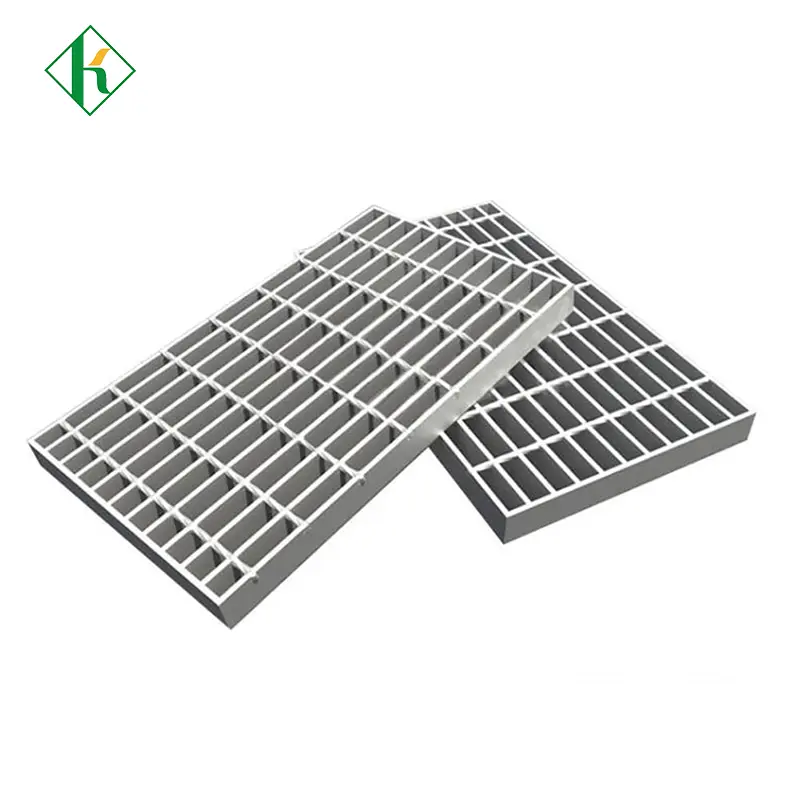
Hot-dip galvanized steel is frequently marketed as a maintenance free solution for industrial flooring and walkways. While the zinc coating provides exceptional durability compared to painted steel, assuming it requires zero oversight is a costly operational mistake. In harsh industrial realities, strategic maintenance is necessary to maximize Return on Investment (ROI) and ensure personnel safety. Neglecting these assets often leads to significant liabilities, such as slip hazards, loose fasteners, or sudden structural failures, rather than just cosmetic issues.
The cost of a routine inspection is negligible compared to the high price of emergency replacements or production halts caused by unsafe flooring. This guide moves beyond basic surface cleaning to address the core of asset preservation. We explore structural integrity checks, distinguish between different corrosion pathologies like white and red rust, and outline ASTM-compliant repair protocols. By implementing these strategies, facility managers can significantly extend the service life of their grating systems.

Key Takeaways
Inspection beats Cleaning: Mechanical integrity (fasteners, welds) is often more critical than surface aesthetics.
Know Your Rust: Distinguish between White Rust (manageable zinc oxidation) and Red Rust (critical base metal failure).
The Installation Link: 80% of maintenance issues stem from initial installation errors (drainage slope, dissimilar metal contact).
Repair Protocol: Minor coating breaches trigger the zinc’s sacrificial protection, but larger gouges require immediate cold galvanizing repairs.
The Economics of Upkeep: TCO and Safety Compliance
Facility managers often view maintenance as a sunken cost, but for industrial flooring, it is a capital preservation strategy. Understanding the Total Cost of Ownership (TCO) changes the perspective from cleaning to asset management. By implementing a proactive schedule for steel grating longevity, you can effectively double the service life of a platform. A galvanized panel expected to last 20 years in a C4 environment can often reach 40 years with minor interventions, effectively halving the long-term capital expenditure.
Beyond direct financial savings, rigorous upkeep mitigates operational risks. In heavy-duty zones, deformation affects load-bearing assurance. If a forklift traverses a deformed panel, the dynamic load changes, potentially risking collapse. Furthermore, maintenance preserves the functional safety of the walking surface. Serrated bars designed for slip resistance can become clogged with grease, oil, or industrial debris, rendering the safety features useless. Regular upkeep ensures these surfaces remain effective.
Finally, there is the aspect of audit readiness. Regulatory bodies like OSHA or ISO auditors frequently review maintenance logs for structural components. Keeping detailed documentation of your grating inspections proves compliance. It demonstrates that the facility actively manages safety hazards, which is crucial during liability assessments or insurance reviews.
Structural Inspection Protocols: Identifying Hidden Dangers
Visual cleanliness does not equate to structural safety. The most dangerous failures in a grating system often occur where they are least visible—at the connection points. A robust protocol for regular grating inspection focuses on mechanical integrity before aesthetics.
Fastener & Clip Integrity
The most common point of failure is the fastening system. Equipment vibration, combined with thermal expansion and contraction cycles, gradually loosens friction-grip clips. Once a clip loosens, the grating panel can shift, creating trip hazards or reducing the bearing overlap on the support steel.
We recommend a biannual audit of all clips. For saddle clips, check that the welds are intact and free of cracks. For friction fasteners, a simple torque check is sufficient. If you find recurrent loosening in specific zones, consider replacing standard clips with vibration-resistant locking nuts or welding the panels directly to the support structure (if removability is not required).
Weld & Joint Analysis
Inspect the bearing bars for cold solders or hairline cracks, particularly at the joints. These defects often signal manufacturing issues or fatigue stress. Evaluating steel grating performance also involves looking for permanent deflection. If a panel shows visible bowing even when no load is present, it indicates historical overloading. This permanent deformation means the steel has been stressed beyond its yield point and has lost its structural elasticity. Such panels must be flagged for immediate replacement.
Support Structure Review
Grating relies entirely on the structure beneath it. Inspect the steel beams or concrete ledges that support the panels. Corrosion on a support beam can reduce the seat available for the grating. If the support ledge corrodes significantly, the grating panel may no longer have the required 1-inch minimum bearing, leading to a catastrophic drop-through event.
Corrosion Prevention for Grating: Diagnosing and Treating Rust
Not all rust is created equal. To effectively manage Galvanized Steel Grating, maintenance teams must understand the mechanism of the zinc coating. Upon exposure to the atmosphere, zinc forms a matte gray patina (zinc carbonate). This layer is insoluble and protects the active zinc beneath. Over-aggressive cleaning that strips this patina actually reduces the grating's life.
White Rust vs. Red Rust
Distinguishing between types of corrosion is critical for determining the correct repair protocol. The table below outlines the differences and required actions.
| Corrosion Type | Visual Identification | Root Cause | Remediation Protocol |
White Rust
(Wet Storage Stain) | Chalky, white, powdery deposit on the surface. | Moisture entrapment between stacked panels or lack of airflow, preventing stable patina formation. | Remove with a stiff nylon brush (never carbon steel) and a mild acidic solution (vinegar). Allow to dry and re-oxidize naturally. |
Red Rust
(Base Metal Corrosion) | Reddish-brown flaking or bleeding spots. | Breach of the zinc layer exposing the carbon steel core. Zinc sacrifice is exhausted in this area. | Mechanically clean to bare metal (power tool cleaning). Apply zinc-rich paint containing 90%+ zinc in the dry film (ASTM A780). |
Galvanic Corrosion Risks
A frequently overlooked aspect of corrosion prevention for grating is galvanic reaction. This occurs when galvanized steel comes into direct contact with dissimilar metals, such as stainless steel, copper, or uncoated carbon steel, in the presence of an electrolyte (water). The zinc acts as an anode and corrodes at an accelerated rate to protect the other metal. Always use insulating washers or spacers when connecting galvanized grating to dissimilar support structures to break this electrical path.
Cleaning and Environmental Management Strategies
While structural checks are paramount, keeping the grating clean prevents environmental factors from accelerating decay. Proper hygiene removes agents that chemically attack the zinc coating.
Routine Grating Cleaning Tips
The most dangerous enemy of galvanization is wet debris. When leaves, dirt, or industrial sludge accumulate on the mesh, they hold moisture against the metal surface. This phenomenon, known as poultice corrosion, prevents the zinc from cycling through its wet/dry phases, causing rapid pitting. Regular removal of debris is essential.
For chemical exposure, understand the pH limits. Zinc coatings degrade rapidly in highly acidic (pH below 6) or highly alkaline (pH above 12) environments. If your grating cleaning tips involve chemical washdowns, ensure the solution is pH-neutral. Rinse thoroughly immediately after cleaning.
Surprisingly, water hardness plays a role. Soft water, which lacks calcium and magnesium carbonates, is often more aggressive to fresh galvanization than hard water. Hard water deposits a protective scale that can aid the zinc patina, whereas soft water can be slightly acidic and corrosive. If you use soft water for rinsing, monitor the surface closely for signs of accelerated zinc consumption.
Drainage and Ventilation
Proper drainage slope is a set and forget maintenance strategy. Ensure the installation maintains a slight gradient so water and chemicals drain off rather than pooling on the mesh bars. Similarly, ventilation is vital for indoor applications. High humidity without airflow causes condensation that leads to white rust. Fans or vents that keep air moving across the grating surface will significantly reduce corrosion rates.
Lifecycle Planning: Repair vs. Replace Decisions
Even with excellent care, every component has a finite lifespan. Establishing a framework for maintaining galvanized steel grating helps you decide when to invest in repairs and when to opt for replacement.
Evaluation Framework
Two primary criteria drive this decision: thickness loss and structural compromise.
Coating Thickness: Use a magnetic thickness gauge to monitor zinc levels. When the coating drops below specified microns (depending on the original standard, e.g., ASTM A123), the steel is near exposure.
Structural Deformation: If bearing bars show permanent deformation exceeding 1/4 inch over a 4-foot span, the elasticity of the steel is compromised. No amount of cleaning or painting will restore its load-bearing capacity.
Restoration Options
For grating that is structurally sound but losing its zinc protection, In-situ Painting is a viable life-extension strategy. This process, often called a Duplex System, involves painting over the weathered galvanizing. It is particularly effective in C4 or C5 corrosive environments (like marine or heavy industrial zones). The paint protects the zinc, and the zinc protects the steel if the paint is scratched.
Alternatively, consider sectional replacement. In many facilities, 90% of the floor remains in good condition while specific areas—such as turning points, stair landings, or zones under chemical drips—degrade quickly. Swapping out only these high-wear panels is a cost-effective alternative to replacing the entire floor.
Conclusion
Steel grating longevity is an active pursuit, not a passive attribute. While hot-dip galvanization offers a robust first line of defense, it is the facility manager's diligence that determines the asset's true lifespan. A consistent Inspect, Clean, Tighten cadence preserves the sacrificial anode mechanism of the zinc and ensures the structural safety of the workforce.
We encourage all facility managers to move beyond reactive repairs. Schedule an immediate clip and anchor audit to verify structural stability. Once mechanical safety is assured, implement the cleaning and corrosion management protocols discussed here. By taking these tips for grating upkeep to heart, you transform a mundane flooring component into a reliable, long-term industrial asset.
FAQ
Q: Can I use a steel wire brush to clean galvanized grating?
A: No. Using a carbon steel wire brush is harmful. It scrubs away the protective zinc patina and can embed small iron particles into the soft zinc coating. These iron particles will rust, creating unsightly stains and accelerating corrosion. Always use a stiff nylon brush or a bristle brush for cleaning debris and white rust.
Q: How often should I inspect my steel grating?
A: Inspection frequency depends on the environment. For heavy industrial zones with vibration or chemical exposure, quarterly inspections are recommended. For light pedestrian traffic in dry, indoor warehouses, an annual inspection is typically sufficient. However, immediate inspection is required after any heavy impact event.
Q: What is the lifespan of galvanized grating in marine environments?
A: In salt-air (marine) environments, the lifespan is shorter than in rural areas due to chlorides attacking the zinc. Typically, you can expect 15 to 25 years of service life in marine settings, compared to 40+ years inland. Regular freshwater rinsing to remove salt deposits can significantly extend this duration.
Q: Can I paint over old galvanized grating?
A: Yes, this is known as a Duplex System and is highly recommended for extending life. However, surface preparation is key. The old galvanizing must be clean and free of oil. Do not use alkyd paints, as they react with zinc (saponification) and will peel. Use epoxy or vinyl systems specifically designed for galvanized surfaces.