When it comes to swimming pool design and maintenance, safety, durability, and hygiene are non-negotiable. Whether you're building a public aquatic center, a hotel spa, or a luxury backyard pool, the materials you choose for flooring, drainage, and access systems matter immensely. One question that often arises is: Can stainless steel grating be used in a swimming pool? The short answer is yes — but the reasons why, and the specifics involved, are more interesting and technically nuanced than you might expect.
What Is Stainless Steel Grating?
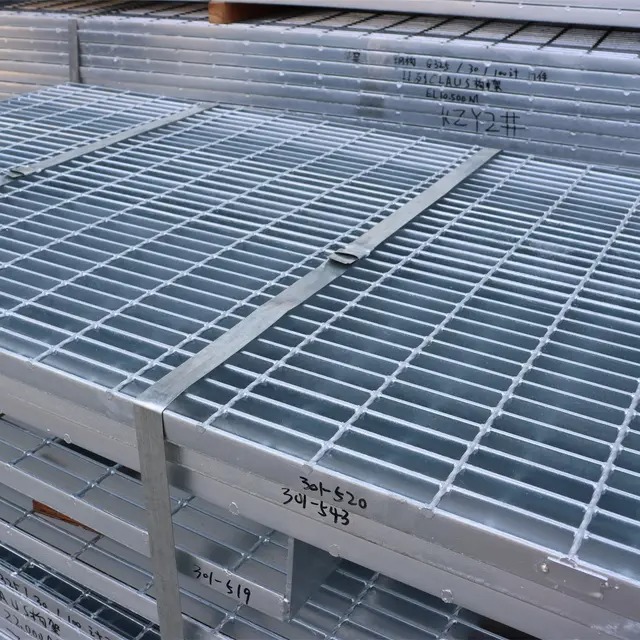
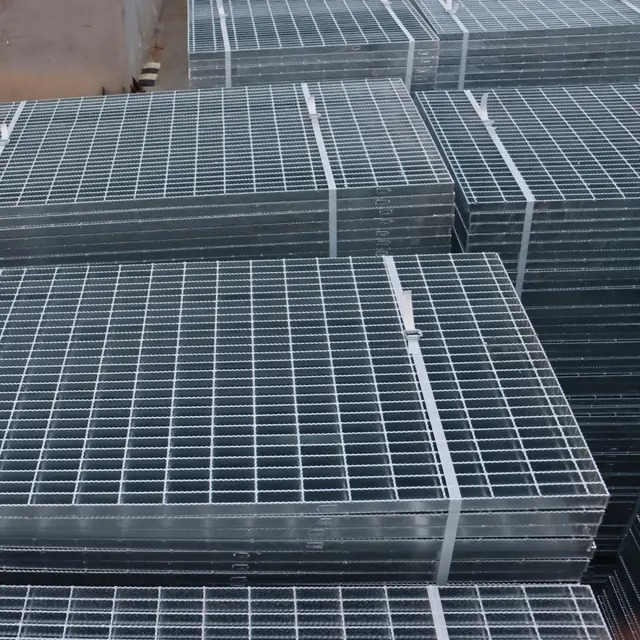
Stainless steel grating refers to a grid-like metal structure made from stainless steel bars. These gratings are typically used for drainage, flooring, ventilation, and even safety walkways in industrial and architectural applications. Available in various styles—such as welded, swage-locked, or press-locked—these gratings offer a high degree of load-bearing capacity, resistance to environmental factors, and long-term usability.
The key benefit lies in the properties of stainless steel itself: it's corrosion-resistant, non-reactive to chlorine and salt, easy to clean, and has a long service life. This makes it an appealing choice for environments where water, moisture, and chemical exposure are routine—like swimming pools.
Benefits of Stainless Steel Grating in Swimming Pool Environments
1. Corrosion Resistance
Swimming pools contain chlorine, salt, and other chemicals that can corrode traditional metal surfaces over time. Stainless steel grating—especially grades like 304 and 316—offers exceptional resistance to these corrosive agents. This is particularly critical around the pool deck, overflow drainage channels, and locker room areas where constant moisture is present.
2. Load-Bearing Strength
Unlike plastic or composite gratings, stainless steel can support significant weight without deforming. This makes it a safe choice for high-traffic poolside walkways and access ramps where both children and adults tread regularly. With the right bar spacing, stainless steel grating can comply with safety regulations while remaining aesthetically sleek.
3. Hygiene and Cleanliness
Pools must maintain strict hygiene standards. Stainless steel has a non-porous surface, which means it won’t harbor mold, mildew, or bacteria. Its ease of cleaning with water and mild detergents also means lower maintenance costs and better sanitation outcomes.
4. Customizability and Aesthetics
Today’s architectural standards demand both function and form. Stainless steel gratings can be custom-made to fit pool dimensions, curvatures, or even modern overflow channel systems. Their polished or brushed finish complements contemporary pool designs and upscale environments.
Are There Any Downsides to Consider?
As surprising as it may seem, stainless steel grating isn’t always the go-to choice for every pool. The main concern? Cost. Stainless steel is more expensive than plastic or fiberglass options. However, the longevity and lower maintenance of stainless steel often offset the initial investment, especially in commercial settings.
Another consideration is the temperature of the metal under direct sunlight. In outdoor pools, stainless steel surfaces can become hot. This can be mitigated by selecting gratings with specific surface textures or coatings that diffuse heat.

Comparison Table: Stainless Steel Grating vs. Other Pool Grating Materials
| Feature / Material | Stainless Steel Grating | Plastic Grating | Fiberglass Grating |
| Corrosion Resistance | Excellent | Moderate | Good |
| Load-Bearing Strength | Very High | Low to Medium | Medium |
| Hygiene | Excellent | Fair | Fair to Good |
| Customization | High | Moderate | Moderate |
| Cost | High | Low | Medium |
| Aesthetics | Modern / Premium | Basic / Functional | Industrial Look |
| Maintenance | Low | Moderate | Moderate |
Frequently Asked Questions (FAQ)
Q1: Is stainless steel grating safe for barefoot walking around pools?
A1: Yes. Modern stainless steel gratings used in pool settings are designed with smooth, rounded edges and slip-resistant surfaces, making them safe for bare feet.
Q2: What grade of stainless steel is best for pool use?
A2: Grade 316 is generally preferred because of its molybdenum content, which enhances its resistance to salt and chlorine, making it ideal for both indoor and outdoor pools.
Q3: How long does stainless steel grating last in a pool environment?
A3: When properly maintained, stainless steel grating can last 20 to 30 years or more without significant degradation.
Q4: Can it be used in saltwater pools?
A4: Absolutely. In fact, 316 stainless steel is specifically recommended for saltwater applications due to its higher corrosion resistance.

Best Use Cases: Where Stainless Steel Grating Truly Shines
While stainless steel grating can be used around virtually any swimming pool, it excels in specific use cases:
Public pools with high foot traffic
Resorts and spas where design and hygiene matter equally
Locker rooms and wet corridors
Overflow drainage systems in luxury infinity-edge pools
Diving pool decks where slip-resistance is key
Its durability and refined appearance make it ideal for premium applications where long-term performance and style are both required.
Maintenance Tips for Stainless Steel Grating in Pools
Even though stainless steel is low maintenance, periodic upkeep ensures optimal performance:
Regular rinsing with fresh water to remove chemical residues
Occasional wiping with non-abrasive cloths or brushes
Inspection of fastenings and surface finish to detect wear
Avoid acidic cleaners, which may compromise the passive protective layer
With just these few steps, stainless steel gratings can remain safe, clean, and corrosion-free for decades.
Conclusion
In conclusion, yes, stainless steel grating is not just suitable but highly recommended for swimming pool environments. Its blend of durability, resistance to corrosion, aesthetics, and safety positions it as a premium solution for both commercial and residential pool settings.
While the upfront cost may seem higher than alternatives, the return on investment in terms of lifespan, reduced maintenance, and superior hygiene is undeniable. When safety and quality matter most—especially around water—stainless steel grating remains a smart, forward-looking choice.