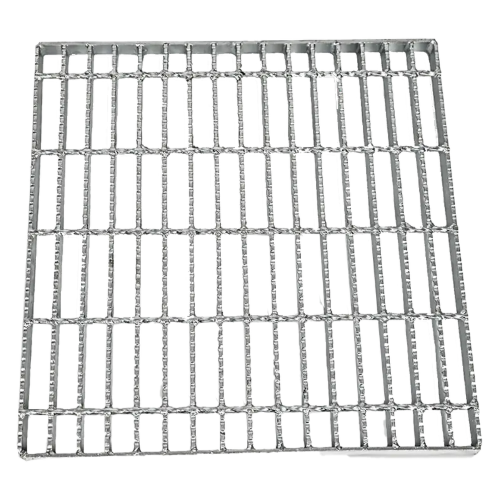
For decades, the industrial sector relied almost exclusively on massive, cast-in-place concrete slabs. These surfaces were permanent, heavy, and defined the limits of a facility from day one. However, the modern industrial landscape now demands agility, verticality, and rapid scalability. Static environments no longer serve dynamic logistics and manufacturing needs. As a result, steel flooring systems have evolved from simple maintenance walkways into the structural backbone of multi-level warehousing and automated facilities.
This shift is not merely aesthetic; it is a fundamental change in how we view the lifecycle of a building. Facility managers and architects are moving away from the pour and pray method toward engineered, modular solutions. This article serves as an evaluation guide for decision-makers. We will weigh the long-term ROI, engineering capabilities, and operational efficiencies of steel against traditional materials to understand why it is gaining dominance in the sector.

Key Takeaways
Speed to Market: How prefabricated steel flooring reduces construction timelines by allowing parallel site preparation and manufacturing.
Structural Agility: The role of modular steel floors in supporting vertical expansion and heavy equipment reconfiguration without major demolition.
Foundation Savings: Understanding how the high strength-to-weight ratio reduces dead loads and foundation concrete requirements.
Automation Readiness: Why steel surfaces are increasingly preferred for AGV (Automated Guided Vehicle) integration and precision manufacturing environments.
The Strategic Advantage: Agility and Speed in Modern Industrial Construction
Time is the most expensive commodity in construction. Traditional flooring methods often create bottlenecks that stall the entire project. Modern industrial construction has adopted steel primarily to break this cycle through parallel processing.
Parallel Processing (The Speed Factor)
The construction logic of steel flooring differs radically from concrete. In a traditional build, site excavation, foundation pouring, and curing occur sequentially. You cannot install equipment until the slab cures, which can take weeks. Steel changes this equation.
Fabrication of the flooring system happens off-site while crews prepare the ground. Once the site is ready, installation is a matter of assembly, not creation. This parallel workflow significantly accelerates the time to first production. For logistics centers racing to meet holiday peaks, shaving two months off the schedule often justifies the initial investment immediately.
Modularity and Future-Proofing
Concrete slabs are permanent. If your production line changes, you must demolish and repour, creating dust, debris, and downtime. We often refer to concrete-heavy facilities as un-buildable structures because they resist modification.
Steel flooring acts as a modular asset. Sections allow for unbolting, relocation, or reconfiguration as workflows evolve. This is particularly vital for vertical expansion. A facility can double its usable floor area by installing steel mezzanines without acquiring new land. This scalability transforms a fixed real estate asset into a flexible tool that grows with the business.
Reduced Dead Load Requirements
Every pound of flooring adds stress to the building's columns and foundations. Concrete is heavy, requiring massive footings to support its own weight. Steel offers a superior strength-to-weight ratio. By reducing the dead load, engineers can specify lighter columns and smaller foundations. These savings on the building envelope often offset the raw material cost difference, making steel flooring systems a financially sound choice for multi-story projects.
Engineering Performance: Durability Under Stress and Point Loads
Industrial floors endure abuse that commercial floors never see. The distinction between general storage and heavy manufacturing lies in how the floor handles stress. Durable flooring systems must manage two specific types of pressure: distributed loads and point loads.
Handling High Point Loads
A distributed load, such as a pallet of boxes, spreads weight evenly. A point load, however, concentrates massive weight into a tiny area. Examples include the legs of heavy stamping presses, racking posts, or aircraft wheels. Under these conditions, concrete is prone to spalling and cracking.
Steel plate and grating systems excel here. They distribute these intense point loads across the structural grid, preventing localized failure. Engineers can increase the depth of the bearing bars or the density of the grid to accommodate specific machinery without altering the entire floor structure.
Resilience vs. Rigidity
The physics of durability often comes down to flex vs. break. Concrete is rigid; when it exceeds its limit, it cracks catastrophically. Steel possesses ductility. It can absorb vibration from forklifts and impacts from dropped tools by flexing slightly and returning to form. This resilience prevents the formation of micro-cracks that eventually turn into safety hazards.
Corrosion-Resistant Flooring Options
Different industrial environments attack flooring in unique ways. Selecting the right material grade is critical for longevity. The table below outlines common material choices for specific environments.
| Material / Finish | Primary Environment | Performance Characteristics |
| Carbon Steel (Mill Finish) | Dry Warehousing, Mezzanines | High strength, lowest cost. Requires painting to prevent surface rust in humid air. |
| Hot-Dipped Galvanized | Outdoor, High Humidity, Marine | Excellent protection against rust. The zinc coating sacrifices itself to protect the steel core. |
| Stainless Steel (e.g., 304, 316) | Food Processing, Chemical, Pharma | Superior hygiene and chemical resistance. Withstands harsh wash-downs and acids. |
| Specialty Alloys (17-4 PH) | Aerospace, High-Stress Chemical | Combines extreme high strength with corrosion resistance for specialized corrosion-resistant flooring needs. |
Integrating with Industry 4.0: Automation and Smart Facilities
The rise of Industry 4.0 has changed the functional requirements of floors. They are no longer just surfaces to walk on; they are platforms for precision technology. Industrial building flooring solutions must now integrate seamlessly with robotics and data infrastructure.
Precision and Leveling for Robotics
Automated Guided Vehicles (AGVs) and Automated Storage and Retrieval Systems (AS/RS) require exceptionally flat surfaces. Even minor undulations can cause a robot to veer off path or a high-mast forklift to become unstable. Concrete slabs often settle unevenly over time due to soil shifting.
Steel flooring offers a distinct advantage: adjustability. Systems can be laser-leveled during installation to meet strict super-flat tolerances. If the building settles later, steel connections can be re-shimmed or adjusted to maintain level, ensuring uninterrupted automated operations.
Utility Integration (The Smart Floor)
Modern factories are data-driven. They require miles of cabling for sensors, servers, and power. Burying these conduits in concrete makes upgrades impossible. Raised steel floors in industrial buildings solve this by creating a plenum—a useful space beneath the walking surface.
This design allows facility managers to run HVAC, heavy power, and data cables directly under the floor. Maintenance teams can access these utilities by simply lifting a panel, rather than digging up the foundation. This architecture is standard in data centers but is now migrating to smart manufacturing plants that require frequent reconfiguration.
Cleanliness and Static Control
In electronics manufacturing and pharmaceuticals, particulate control is mandatory. Concrete naturally dusts over time as the surface abrades. Steel does not. Furthermore, steel flooring can be grounded to control Electrostatic Discharge (ESD), protecting sensitive electronic components from static shock damage.
Cost Analysis: ROI and Total Cost of Ownership (TCO)
When evaluating advantages of steel flooring, one must look beyond the initial purchase price. A holistic view reveals where the true value lies.
Upfront Costs vs. Long-Term Value
It is true that the raw material cost for steel grating or plate is often higher than pouring a basic concrete slab. However, this is a narrow view. When you factor in the reduced labor hours, the elimination of cure times, and the reduction in foundation concrete volume, the gap narrows significantly. Furthermore, shorter construction financing periods—due to faster occupancy—add to the savings.
Maintenance and Lifecycle Costs
Repairability is a major factor in Total Cost of Ownership (TCO). If a concrete slab cracks under a dropped load, the repair involves downtime, jackhammering, repouring, and resealing. The patch often remains a weak point.
In contrast, if a section of steel flooring is damaged, maintenance crews can simply unbolt the affected panel and replace it with a spare. The operation takes hours, not days. Additionally, at the end of the facility's life, steel retains value. It can be scrapped and recycled, offering a financial return. Demolished concrete, conversely, incurs a disposal cost.
Tax and Depreciation Benefits
There is also a financial nuance regarding asset classification. In many jurisdictions, modular steel mezzanines are classified as tangible personal property or capital equipment rather than real property. This allows businesses to depreciate the asset over a much shorter period (often 7 years vs. 39 years), providing significant tax advantages that improve cash flow.
Implementation Realities: Critical Considerations and Trade-offs
While steel flooring benefits are substantial, successful implementation requires addressing specific physical characteristics of the material. A balanced evaluation acknowledges these trade-offs.
Acoustics and Vibration Management
The Challenge: Steel is more resonant than concrete. Foot traffic and machinery can generate more noise and vibration transmission.The Solution: Engineering controls are essential. Specifying acoustic dampeners at connection points and using composite decking options can mitigate noise. For heavy vibrating machinery, vibration isolators (spring or rubber mounts) are installed between the machine and the steel floor to prevent resonance from traveling through the structure.
Fire Protection and Safety
A common concern is that steel softens in extreme heat. Unlike concrete, which acts as a heat sink, steel requires protection to maintain structural integrity during a fire. Compliance typically involves applying intumescent coatings that expand to insulate the steel when heated. Additionally, open grating systems allow overhead sprinkler water to pass through to lower levels, often simplifying the fire suppression design compared to solid floors.
Surface Traction and Worker Safety
Worker safety is paramount. Smooth steel becomes dangerously slippery when wet or oily. To meet OSHA/ISO standards, facilities must select the correct texture. Serrated grating provides aggressive grip for outdoor or oily environments, while chequered plates (diamond plates) offer moderate traction for indoor walkways. Steel flooring popularity in heavy industry is largely due to these customizable safety profiles.
Conclusion
The industrial sector has moved beyond the era of static, single-use buildings. Steel flooring is no longer just a temporary fix or a secondary option for catwalks; it has established itself as a primary solution for facilities prioritizing speed, adaptability, and high-load performance. The ability to install flooring in parallel with site work, coupled with the flexibility to modify layouts post-construction, offers a strategic advantage that concrete cannot match.
We advise facility managers and architects to choose steel when the project timeline is critical, when future layout flexibility is required, or when heavy point loads exceed the safe limits of standard concrete. By viewing the floor as a modular asset rather than a permanent fixture, businesses position themselves to adapt rapidly to market changes.
If you are planning a new facility or a vertical expansion, we encourage a structural consultation. Calculating the specific weight savings and ROI for your specific facility footprint is the first step toward a more agile industrial future.
FAQ
Q: How does the cost of steel flooring compare to reinforced concrete?
A: While raw steel materials can be more expensive initially, the total project cost often balances out. Steel allows for lighter foundations (saving concrete costs) and significantly faster installation speeds. The reduction in labor hours and the ability to occupy the building months earlier provide financial benefits that frequently outweigh the higher upfront material price.
Q: Can steel flooring systems be installed over existing concrete slabs?
A: Yes. This is a primary use case for steel mezzanines and raised platforms. They allow facilities to double their usable floor area by building vertically over the existing slab. This modular approach enables expansion without the need to acquire new land or construct a new building envelope.
Q: What maintenance is required for industrial steel floors?
A: Maintenance is generally low but should be consistent. It primarily involves inspecting connections and bolts to ensure they remain tight under vibration. For coated or galvanized steel, periodic visual checks for surface scratches or coating compromises are necessary to prevent rust. Damaged sections can be individually unbolted and replaced.
Q: Is steel flooring suitable for wet or chemical processing environments?
A: Absolutely, provided the correct grade is chosen. Standard carbon steel will rust, but stainless steel or galvanized options are designed specifically for wet areas. For harsh chemical environments, specialized epoxy or polyaspartic coatings can be applied to the steel to provide extreme resistance to acids and caustics.
Q: How much weight can a typical steel industrial floor support?
A: The capacity is highly customizable based on engineering requirements. By adjusting the depth of the I-beams and the density of the grating grid, steel floors can be engineered to support massive loads, including heavy machinery and aircraft. They generally offer higher point-load capacities than standard commercial concrete ratings.