Product Overview
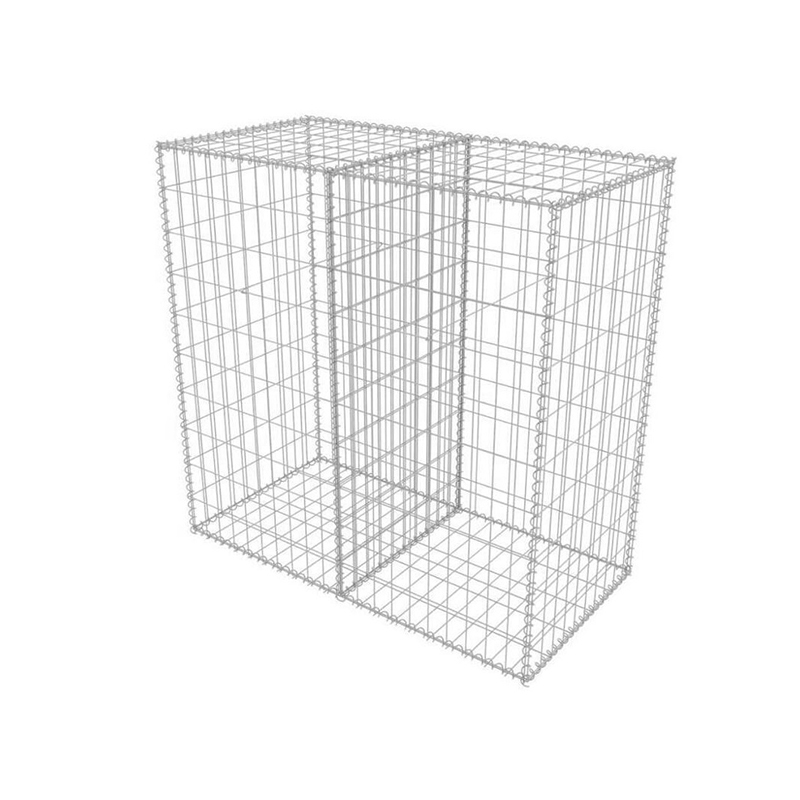
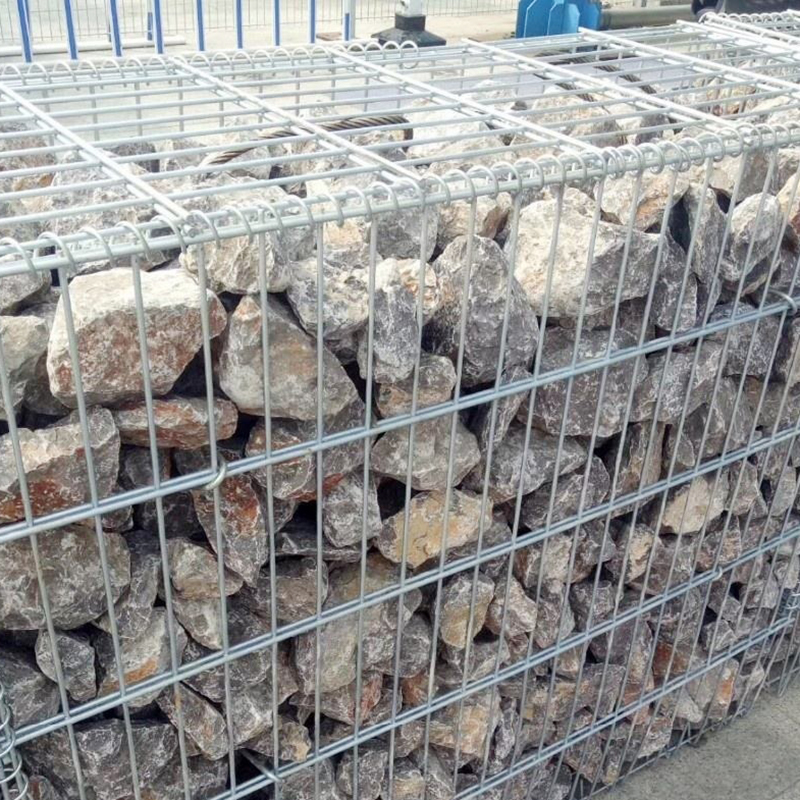
Explosion-Proof Wall Gabion Box Mesh Cage is a high-security protective structure engineered for military, industrial, and critical infrastructure protection. Constructed from heavy-duty steel mesh cages (filled with concrete blocks, reinforced stones, or sandbags), it mitigates explosion effects—absorbing shockwaves, blocking debris, and maintaining structural stability in high-risk environments. Its core function is to enhance safety in areas prone to explosions (e.g., oil refineries, military bases) while ensuring rapid deployment and long-term durability. Unlike traditional concrete explosion-proof walls, it offers modular flexibility and superior corrosion resistance for harsh conditions.
Technical Specifications
Parameter | Details |
Wire Material | Galvanized steel wire (3.0-5.0mm diameter, tensile strength ≥ 500MPa); Galfan/Zn-5% aluminum steel wire (coastal/marine use) |
Mesh Size Options | 76.2×76.2mm (standard), 50×50mm (high-security), 75×75mm, 100×100mm (light-duty) |
Geotextile Lining | 250g-400g non-woven polyester geotextile (prevents material leakage, enhances moisture resistance) |
Dimension Range | Height: 1-3m; Width: 0.5-1.5m; Length: 2-6m (customizable for military-grade 3m-high walls) |
Explosion Resistance | Withstands pressure up to 0.3MPa (tested per GB 50779-2012); Load-bearing capacity ≥1500kg/m² (filled) |
Surface Treatment | Galvanized wire: Passivation (chromate coating); Galfan wire: Hot-dip alloying |
Core Features & Scenario-Specific Solutions
Key Features
• Superior Explosion Protection: Heavy-duty steel mesh and high-density filling absorb shockwaves and block flying debris—reducing damage to personnel, equipment, and surrounding structures.
• Extreme Durability: Galfan/Zn-5% aluminum steel wire resists salt spray corrosion (service life ≥15 years in coastal areas); galvanized wire works for inland industrial sites (10-12 years).
• Rapid Deployment: Pre-fabricated cages allow on-site assembly of 10m walls in 4-6 hours—critical for emergency security upgrades (e.g., post-incident industrial site protection).
• Modular Flexibility: Cages can be connected to form long walls or custom shapes (e.g., L-shaped perimeters) without compromising structural integrity.
Scenario Solutions
• Military Bases & Border Security: Used as perimeter explosion-proof walls—prevents unauthorized entry and reduces damage from explosive devices or mortar attacks.
• Oil & Gas Facilities: Installed around storage tanks or processing units—mitigates fire and explosion risks, protecting workers and preventing environmental disasters (e.g., oil spills).
• Critical Infrastructure: Secures power plants, water treatment facilities, and communication towers—resists intentional sabotage or accidental explosions (e.g., gas leaks).
Comprehensive Product Details
• Welding Technology: Automated robotic welding for wire joints—weld strength ≥450N, ensuring no separation under explosion impact. Joints are inspected via X-ray for hidden defects.
• Structural Stability: Each cage is designed with a rectangular frame (reinforced at corners) to distribute pressure evenly—prevents collapse even if part of the wall is damaged.
• Drainage Design: 5mm-diameter drainage holes at the bottom of cages prevent water accumulation (avoids rusting from inside and maintains filling stability).
• Safety Compliance: Meets international security standards (e.g., ASTM F2656 for blast resistance); certified by third-party labs (e.g., SGS) for explosion protection performance.
Technical Support & After-Sales Services
• Custom Security Solutions: Engineers conduct on-site surveys for large projects and design explosion-proof walls based on risk assessments (e.g., blast radius, environmental conditions like salt spray).
• Quality Assurance: Pre-production samples undergo explosion resistance and corrosion testing; final inspection includes wire thickness, mesh size, and geotextile weight checks.
• Sample Service: Small-scale explosion-proof cage samples (60×60×60cm) are available; customers cover shipping and third-party testing fees (if required for project approval).
• After-Sales Support: 24/7 technical consultation for installation issues; 1-year warranty for structural defects (e.g., welding failures, wire breakage).