Introduction
Looking for a durable and corrosion-resistant material? Galvanized steel grating is a top choice for various industries. This article explores its specifications, such as material types, sizes, and surface treatments. You’ll learn how to select the right galvanized steel grating for your project based on its strength and environmental conditions.
What is Galvanized Steel Grating?
Definition and Composition of Galvanized Steel Grating
Galvanized steel grating is made by joining bearing bars (main structural bars) with cross bars (transverse bars) in a grid pattern. The material is typically composed of mild carbon steel, stainless steel, or aluminum. After fabrication, the grating is coated with a layer of zinc through a galvanization process, which enhances its corrosion resistance. This process allows the grating to withstand tough environments such as outdoor construction, wastewater plants, and chemical factories.
The Galvanization Process
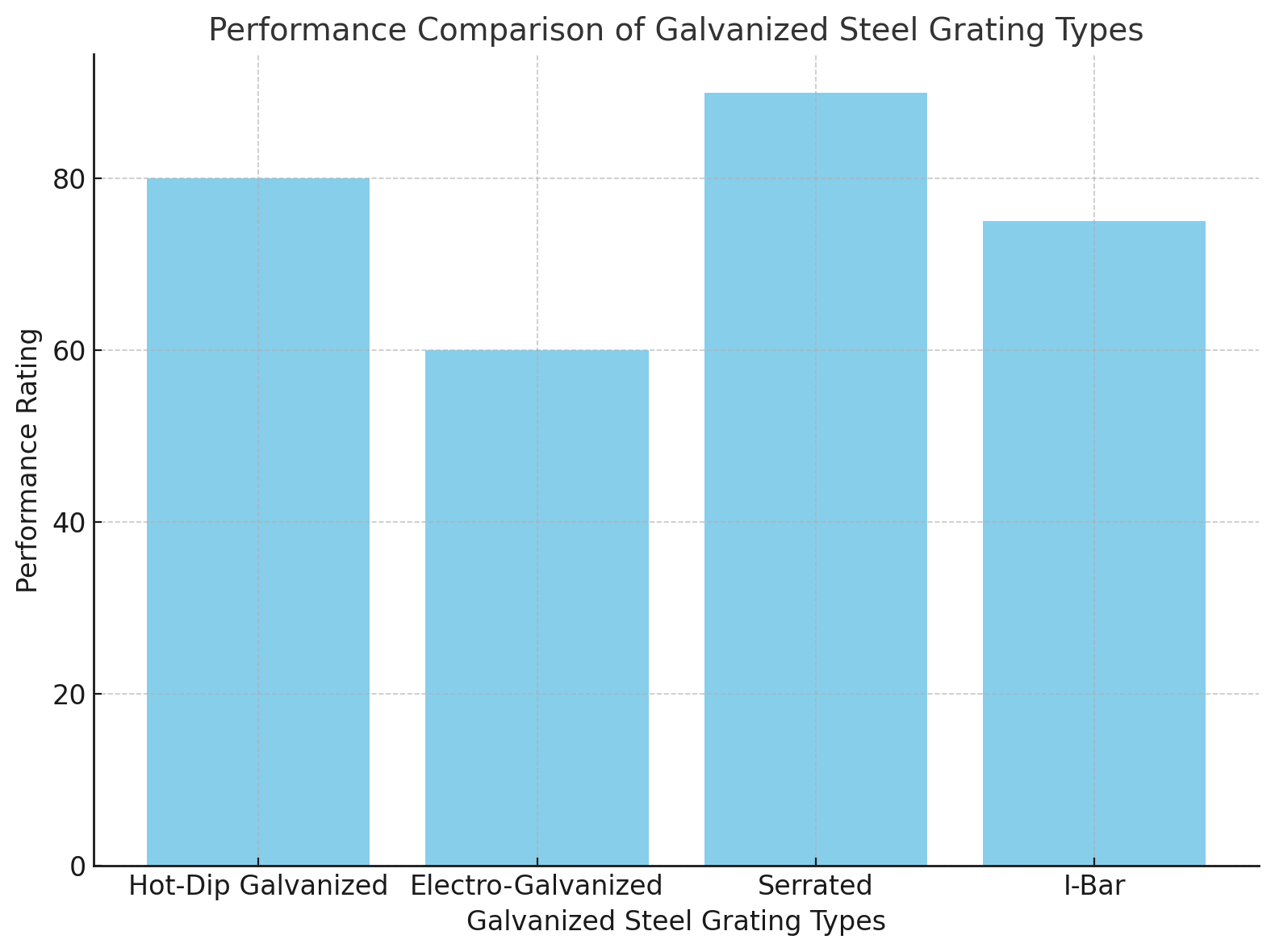
The galvanization process involves dipping the steel grating in a bath of molten zinc, forming a protective coating on the metal. This coating acts as a barrier that prevents rust and corrosion, making galvanized steel grating ideal for environments exposed to moisture, chemicals, or extreme weather conditions. The two main methods of galvanization are hot-dip galvanizing and electro-galvanizing, with hot-dip offering more durable protection.
Key Specifications of Galvanized Steel Grating
Material Types Used in Galvanized Grating
Galvanized steel grating can be made from a variety of materials, each offering unique advantages:
● Carbon Steel: This is the most common and cost-effective option for general-purpose use. It offers strength and durability but may require more frequent maintenance in corrosive environments.
● Stainless Steel: Preferred for high-corrosion environments such as food processing or pharmaceutical industries, stainless steel grating is resistant to rust and stains.
● Aluminum: Known for its lightweight nature, aluminum grating is often used in industries where weight is a concern, such as in the aerospace or transportation sectors.
Material Type | Description | Surface Treatment | Benefits |
Carbon Steel | Common and cost-effective material for general use | Hot-dip galvanization | Strong, durable, cost-effective |
Stainless Steel | Highly corrosion-resistant, suitable for harsh environments | Electro-galvanization | Ideal for marine and chemical applications |
Aluminum | Lightweight, corrosion-resistant material | Powder coating | Best for light-duty and aesthetic uses |
Size and Shape Specifications
Galvanized steel grating comes in various sizes to accommodate specific project requirements. The most common specifications include:
● Bearing Bar Sizes: Bearing bars are available in dimensions such as 25x3mm, 30x5mm, and 38x5mm. In inches, common sizes include 15/16” x 3/16” and 1” x 3/16”.
● Cross Bar Spacing: Typical spacing for cross bars includes 30x100mm, 40x50mm, and 19W4 patterns.
● Custom Sizes: Galvanized steel grating can be customized to meet the specific dimensions of your project. Many manufacturers offer standard sizes like 3 ft x 20 ft or 1 m x 6 m.
Load-Bearing Capacity and Strength
The load-bearing capacity of galvanized steel grating is influenced by the size of the bearing bars, their spacing, and the material used. For example, grating designed for pedestrian walkways will have tighter bar spacing and thinner bars, while grating for industrial platforms will have thicker bars and wider spacing to accommodate heavy machinery.
Calculating the load-bearing capacity involves considering both static and dynamic loads. Standard load tables provided by manufacturers can help determine the correct specification for your application.
Surface Treatment Options
Surface treatment options for galvanized steel grating include:
● Hot-Dip Galvanizing: This method ensures a thick, durable coating that provides excellent corrosion resistance. It is the most common and cost-effective option for most industrial applications.
● Electro-Galvanizing: A thinner coating of zinc is applied to the grating in a controlled environment. This method is ideal for less demanding environments where corrosion resistance is still necessary but less critical.
Both treatments provide long-lasting protection, but hot-dip galvanizing offers better durability in harsh conditions.

How to Choose the Right Galvanized Steel Grating Specification for Your Project
Understanding Environmental Conditions
When choosing the specifications for galvanized steel grating, it’s crucial to consider the environment in which it will be used. For example:
● Exposure to Chemicals: Chemical plants may require stainless steel grating for its high resistance to acids and other harsh chemicals.
● Outdoor or Coastal Environments: Hot-dip galvanized steel grating is ideal for areas with exposure to moisture, salt, or high humidity, such as marine docks or bridges.
Aesthetic and Functional Considerations
The appearance and functionality of galvanized steel grating may vary depending on the project’s needs:
● Aesthetic Needs: For architectural projects, the grating may need to blend in with the surrounding environment. Smooth or finely finished surfaces are preferred in these cases.
● Functional Needs: For walkways or stair treads, serrated surfaces provide added grip and are more suitable for areas where slip resistance is crucial.
Cost vs. Performance
While galvanized steel grating has a higher initial cost compared to untreated steel, its long-term durability and low maintenance costs make it a cost-effective solution. Investing in high-quality grating reduces the need for frequent repairs and replacements, making it a smart long-term investment.
Special Types of Galvanized Steel Grating
Serrated Galvanized Steel Grating
Serrated galvanized steel grating features a textured surface that provides enhanced slip resistance, making it ideal for environments where safety is a top priority, such as industrial sites, walkways, and stair treads.
I-Bar and Other Custom Grating Types
I-Bar grating is designed with deeper bearing bars that provide increased load-bearing capacity. This type of grating is often used in high-load applications, such as machinery platforms or vehicle access areas. Other custom grating types include press-locked and swage-locked options, each suited to specific installation needs.
Applications of Galvanized Steel Grating Based on Specifications
Construction and Infrastructure
Galvanized steel grating is widely used in construction for walkways, platforms, drainage covers, and stair treads. Its ability to withstand heavy foot traffic, extreme weather, and corrosion makes it essential for both temporary and permanent installations.
Industrial and Chemical Plants
In industrial settings, galvanized steel grating is used for flooring, catwalks, and maintenance platforms. Its strength and resistance to chemicals ensure it can handle the demanding conditions of these environments.
Marine and Offshore Applications
The corrosion resistance of galvanized steel grating makes it perfect for marine environments, such as docks, piers, and offshore oil rigs, where exposure to saltwater is common.
Common Standards and Compliance for Galvanized Steel Grating
Industry Standards and Certifications
Galvanized steel grating must comply with industry standards such as ASTM, ISO, and BS EN. These standards ensure the grating’s quality, durability, and safety in various applications.
Custom Specifications and Tolerances
Manufacturers can customize galvanized steel grating to meet specific project needs. This includes adjusting tolerances for material thickness, dimensions, and load capacity to ensure that the grating meets the required performance standards.
Conclusion
Selecting the correct specification of galvanized steel grating is essential for safety, durability, and cost-effectiveness across various applications. Understanding material types, sizes, and surface treatments helps you make an informed choice. For high-quality, customized solutions, consulting suppliers like Kaiheng ensures optimal performance and longevity. This article guides you through selecting the right grating based on your project’s needs.
FAQ
Q: What is galvanized steel grating made of?
A: Galvanized steel grating is made of steel bars welded together, with a protective zinc coating to prevent corrosion. It’s commonly used in industrial and commercial applications.
Q: Why should I choose galvanized steel grating for my project?
A: Galvanized steel grating offers superior corrosion resistance, durability, and load-bearing capacity, making it ideal for harsh environments and heavy-duty applications.
Q: What are the common specifications of galvanized steel grating?
A: Galvanized steel grating specifications include material type, size, bearing bar thickness, and spacing. It is customized based on load-bearing and environmental conditions.
Q: How does the galvanization process enhance steel grating?
A: The galvanization process involves coating steel grating with zinc, improving its corrosion resistance and ensuring long-lasting performance in challenging environments.
Q: How do I choose the right specification for steel grating?
A: Choose steel grating specifications based on environmental exposure, load-bearing capacity, and aesthetic requirements. Experts can guide you in selecting the best option.